

Spot Retainer Allergy Symptoms Fast, Then Switch to ClearRetain
If your gums, lips, or the skin around your mouth flare up every time you insert your retainer, and calm down within days of leaving it out, that pattern is consistent with a contact allergy, not just irritation. Stop wearing the appliance, store it in its case for your dentist to inspect, and seek urgent care immediately if you notice swelling that affects breathing or swallowing.
TL;DR:
- Most retainer allergies develop gradually over weeks due to nickel or residual monomer exposure, with symptoms recurring every time the appliance is reinserting.
- A positive patch test does not guarantee the retainer is the cause, making clinical history and rechallenge pattern crucial for diagnosis.
- Fully cured, pre-polymerized thermoplastic retainers carry a lower risk of monomer-related reactions compared to older self-curing acrylic designs.
- Immediate removal of the retainer and detailed documentation of symptoms are the most effective steps for diagnosis and symptom relief.
- Confirmed nickel or acrylic sensitivity should lead to replacing the retainer with hypoallergenic materials and discussing material options beforehand with the dentist.
Table of Contents
- What Are the Retainer Allergy Symptoms to Watch For?
- What Causes an Allergic Reaction to a Retainer?
- How Do Dentists Diagnose a Retainer Allergy?
- Is It Allergy, Irritation, Infection, or Just Poor Hygiene?
- What Should You Do Right Now if You Suspect an Allergy?
- What Treatments and Replacement Options Actually Work?
- What Should You Ask Your Dentist to Prevent It Happening Again?
- Why Most People Wait Too Long to Question Their Retainer
- Ready for a Replacement? What to Order and When
- Sources
- FAQ
What Are the Retainer Allergy Symptoms to Watch For?
Retainer allergy symptoms cluster into two groups: what shows up inside your mouth, and what shows up on the skin around it. Reactions to orthodontic materials typically appear as redness, erosive or ulcerated patches, and swollen gum tissue right where the appliance touches, according to a comprehensive review of hypersensitivity reactions in orthodontics.
A burning sensation is actually the single most common complaint, showing up more often than pain or itching in documented cases, and the mucosa can range from barely pink to visibly raw with ulceration in more severe presentations.
Watch for this combination of signs:
- Redness, shiny patches, or ulcers limited to spots where the retainer touches your gums, palate, or tongue
- A burning or tingling feeling that starts soon after insertion and eases when the appliance comes out
- A persistent metallic taste, especially with wire-containing retainers like Hawleys
- Gum swelling or overgrowth (gingival hyperplasia) around the contact zone
- A rash, dry patches, or dermatitis on the skin around the lips or chin if the appliance brushes external skin
- Symptoms that show up gradually, sometimes days or weeks after you start wearing a new retainer, and come back every time you reinsert it
That delayed timing matters. True contact allergy is usually a slow burn, not an instant reaction, which is one reason people often blame a new toothpaste or a cold before they suspect the retainer itself. If you notice facial swelling that spreads, difficulty breathing or swallowing, or hives beyond the mouth, treat it as an emergency and get seen right away, since those signs point past a local contact reaction toward something that needs immediate medical attention.
What Causes an Allergic Reaction to a Retainer?
Nickel is the material most often behind these reactions. It is a well-documented trigger of delayed, Type IV hypersensitivity in orthodontic appliances, meaning your immune system needs repeated exposure over days before it mounts a visible response. That is different from a bee sting reaction, and it is why symptoms often creep in after weeks of wear rather than on day one.
Acrylic resins are the second major culprit, particularly in traditional Hawley retainers. Case reports have documented oral lichenoid lesions tied directly to Hawley retainers, lesions that improved once the appliance was removed and a topical steroid was applied. The likely driver is residual, unreacted monomer left over from the curing process.
That distinction between manufacturing methods matters more than most patients realize:
- Self-curing acrylics (common in older-style Hawleys) cure at chairside or in a lab with less complete polymerization, leaving more free monomer that can leach into saliva
- Pre-polymerized thermoplastic sheets, used in most modern vacuum-formed retainers, are fully cured before they’re ever shaped to your teeth, which lowers the risk of monomer exposure compared with self-curing acrylics
- Latex components and residue from harsh cleaning tablets are less common triggers but worth ruling out
- Nickel-containing wires in Hawley clasps and some bonded retainers carry the highest sensitization risk of any orthodontic material
People with a history of nickel dermatitis from earrings or jewelry, prior atopic conditions, or piercings tend to be more prone to sensitization, and epidemiologic data shows higher nickel allergy prevalence in women and in anyone with earlier nickel exposure. If that description fits you, mention it before your next appliance gets made, not after symptoms appear.
How Do Dentists Diagnose a Retainer Allergy?
Diagnosis starts with a conversation, not a lab slip. A dentist or dermatologist will walk through your history and timeline, then decide whether patch testing adds useful information.
- History and timing review. Your dentist asks when symptoms started relative to inserting the retainer, whether they improve when it’s out, and whether they return on reinsertion. This removal-rechallenge pattern is one of the strongest diagnostic clues available, often more informative than any single test.
- Clinical exam. The clinician checks whether lesions map precisely to contact points on the appliance, which favors allergy, versus scattered or generalized findings, which point elsewhere.
- Patch testing. A dermatologist applies small amounts of suspected allergens (typically nickel and specific acrylic components) to the skin and checks the response over 48 to 96 hours. A positive result still has to line up with your clinical picture. As the same review notes, a positive patch does not automatically confirm the retainer is the cause.
- Referral when needed. If lesions are unusual, persistent, or don’t fit a clean pattern, expect a referral to oral medicine or dermatology for a closer look.
- What to bring. Photos of flare-ups, a simple wear-and-symptom log, and the actual retainer speed up the visit considerably.
One thing worth knowing before you go in: standard blood tests for IgE antibodies, the kind used for food or pollen allergies, generally don’t help here. Nickel and acrylic reactions are delayed, cell-mediated responses, not the immediate antibody-driven type those tests are built to catch.
Is It Allergy, Irritation, Infection, or Just Poor Hygiene?
Not every sore spot under a retainer is an allergy. Mechanical irritation from a sharp edge or tight fit tends to sit exactly where the plastic digs in, without the surrounding redness or rash pattern typical of a dermatitis-type reaction. It also often improves with a quick adjustment rather than full removal.
Infection looks and feels different too. Pus, fever, or lesions that keep getting worse instead of following the on-again-off-again allergy pattern suggest something microbial, which needs its own treatment path, not an allergy workup.
Poor hygiene and residue from cleaning products are common mimics as well. Oral candidiasis, a yeast overgrowth that thrives on appliances that aren’t cleaned well, produces white patches and soreness that can look surprisingly similar to a mild allergic reaction. Before assuming allergy, try a short trial:
- Clean the retainer daily with a dentist-approved solution, not just water
- Switch away from harsh antibacterial mouthwash for a week
- Track whether symptoms improve with better hygiene alone
If a genuine hygiene fix doesn’t resolve things within a week or two, allergy moves back up the list.
What Should You Do Right Now if You Suspect an Allergy?
Take these steps in order, starting the moment you notice a suspicious pattern:
- Stop wearing the retainer. Give your tissue a break and store the appliance somewhere clean and dry so a dentist can examine it later.
- Photograph the affected area as soon as you notice symptoms, and again a day or two after removal, so your dentist can see the before-and-after.
- Keep a simple log: hours worn per day, when symptoms started, and how quickly they eased after removal.
- Rinse gently with warm saline rather than alcohol-based or heavily medicated mouthwashes, which can aggravate already-inflamed tissue.
- Consider an over-the-counter antihistamine for perioral itching, though be aware antihistamines have limited effect on true Type IV contact reactions since histamine isn’t the main driver of that immune pathway.
- Don’t self-prescribe steroid cream. Topical corticosteroids can help, but they need a prescription and a diagnosis first.
Pro Tip: Take a close-up photo of the retainer itself, not just your mouth. Dentists can often spot wear patterns, cracked acrylic, or exposed wire that points toward the likely trigger before any test results come back.
If you develop swelling that spreads toward your throat, trouble breathing or swallowing, or a rash appearing well beyond your mouth, skip the home routine and go to urgent care or an emergency room immediately.
What Treatments and Replacement Options Actually Work?
The single most effective intervention across documented cases is simple: remove the appliance. Case reports on Hawley-related lichenoid reactions showed meaningful improvement after removal combined with topical corticosteroid treatment, often within days to a couple of weeks. That timeline lines up with how Type IV reactions behave generally: symptoms fade once the trigger is gone, though full resolution of ulcerated tissue can take longer than the initial redness does.
For confirmed contact or lichenoid lesions, a dentist or dermatologist may prescribe topical corticosteroids to calm inflammation directly at the site. Systemic steroids are reserved for severe, widespread reactions and aren’t typical for a straightforward localized retainer reaction. Antihistamines, again, play a supporting role for itch relief rather than treating the underlying mechanism.
Once the reaction has settled, the real question becomes what to wear next. Clinicians generally favor:
- Nickel-free hardware for anyone with confirmed or suspected nickel sensitivity, avoiding stainless steel wires and clasps that release nickel over time
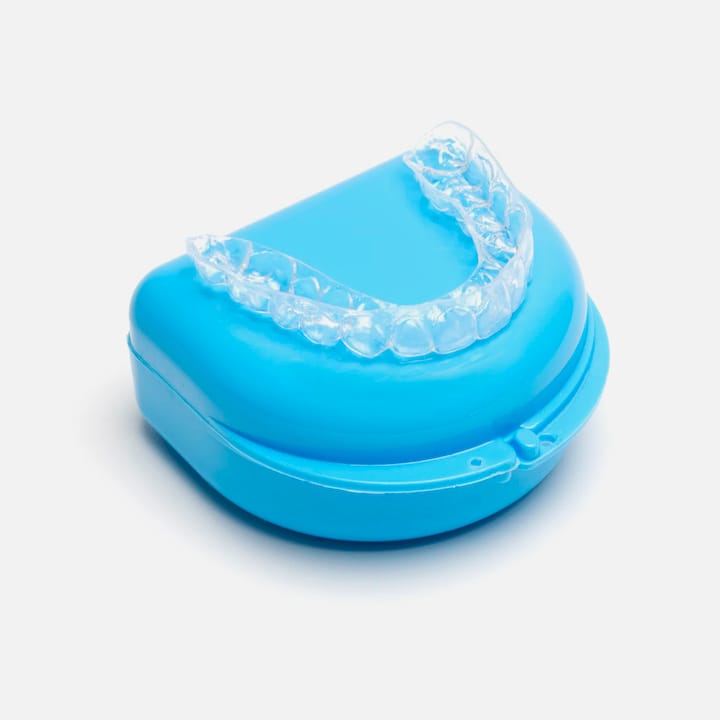
- Vacuum-formed retainers made from pre-polymerized thermoplastic sheets, since the material is fully cured before fabrication and carries lower residual monomer risk than self-curing acrylic Hawley designs
- Acrylic substitutes in cases where even standard acrylic triggers a response, guided by whatever the patch test results point to
A sensible workflow looks like this: confirm the likely trigger, trial a different material (often alongside patch testing to double-check), then monitor for a few weeks before considering the new retainer a long-term solution. Rushing straight to a replacement without addressing the actual cause just sets up round two of the same problem.
What Should You Ask Your Dentist to Prevent It Happening Again?
Come prepared with your exposure history: any past reactions to earrings, watches, or other nickel jewelry, piercings, and any personal or family history of eczema or atopic conditions. This context genuinely changes what your provider recommends.
Ask directly:
- “Can you make my next retainer completely nickel-free?”
- “What specific plastic or resin grade are you using, and is it pre-polymerized or self-curing?”
- “Can you coordinate a referral for patch testing before we finalize the new appliance?”
- “Do you have documentation on the material’s FDA classification and processing method?”
Keep your photos, symptom timeline, and the old retainer itself. That record becomes valuable if symptoms ever recur with a different appliance down the line, and it gives any new provider a running start instead of a blank slate. If your history and test results point toward acrylic or nickel sensitivity, ask specifically about a verified nickel-free vacuum-formed retainer rather than defaulting to whatever design your practice happens to stock. A clinic’s guidance on retention after aligner therapy is a useful example of how providers think through long-term retainer choices once active treatment ends.
Why Most People Wait Too Long to Question Their Retainer
Most patients assume any mouth irritation is just “getting used to” a new appliance, and that assumption costs weeks of unnecessary discomfort. The removal-rechallenge pattern, does it get better when the retainer’s out and worse when it’s back in, is the cheapest, fastest diagnostic tool available, and it costs nothing but a few days of paying attention.
What gets underestimated is how much the manufacturing method matters, independent of brand. A fully cured, pre-polymerized thermoplastic sheet and a chairside self-cured acrylic can look identical to the untrained eye while carrying very different monomer-exposure profiles. Some manufacturers source materials that lean toward the lower-risk category, but that doesn’t mean every allergy resolves with a material swap. Confirm the trigger first. Skipping that step and jumping straight to a new appliance is how people end up cycling through three retainers before anyone asks the right question.
— Clear
Ready for a Replacement? What to Order and When
If your clinician has confirmed the reaction and cleared you to switch materials, Clearretain’s retainers give you a direct path forward without the added cost of a full in-office refit. The Upper Teeth Retainer and Lower Teeth Retainer are made from vacuum-formed, pre-polymerized thermoplastic, the material category associated with lower monomer exposure compared with self-curing acrylic Hawley designs.
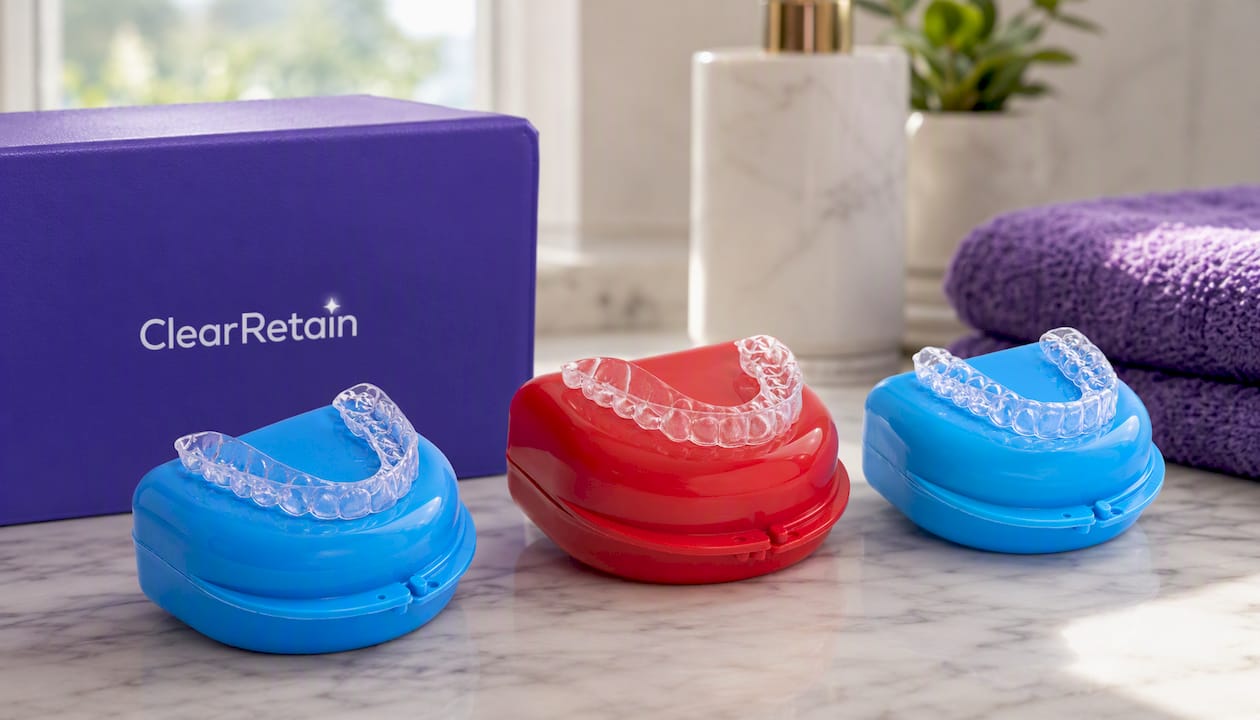
For patients who want a heavier-duty option or extra durability after a confirmed sensitivity, the Premium Upper Retainer uses upgraded material at a similar direct-to-consumer price point. Self-impression kits let you order from home and reuse your stored digital impressions for future replacements, cutting out the office markup that usually comes with a standard refit. None of that replaces a proper diagnosis, though. Talk to your dentist first, get patch tested if it’s recommended, and once you have a clear answer on what to avoid, place your order with the material question already settled.
This article is general information, not a substitute for advice from a qualified doctor. Consult a qualified healthcare professional about your own circumstances before acting on anything here.
Sources
- Oral and Extra-Oral Manifestations of Hypersensitivity Reactions in Orthodontics: A Comprehensive Review - PMC
- Allergic reactions to nickel-containing orthodontic appliances: clinical signs and treatment alternatives. (PubMed)
- Hawley retainer and lichenoid reaction: a rare case report | BMC Oral Health
FAQ
Can You Really Be Allergic to Your Retainer?
Yes. Nickel and acrylic components in retainers are documented triggers of delayed contact hypersensitivity, and reactions typically improve once the appliance is removed and recur when it’s reinserted.
What Do Mild Allergic Reaction Symptoms Look Like in the Mouth?
Mild reactions usually show up as localized redness, a burning sensation, or slight swelling right where the retainer contacts the gums or palate, without the pus or fever that would suggest infection.
What Color Is Mucus When You Have Allergies?
Allergy-related mucus is usually clear or white, while thick yellow or green mucus more often points to a bacterial or viral infection rather than an allergic response.
Can Antihistamines Help With a Severe Allergic Reaction?
Antihistamines can ease mild symptoms like itching, but they don’t treat anaphylaxis. Severe reactions with swelling that affects breathing require emergency epinephrine and immediate medical care, not an antihistamine alone.