

Why Retainers Crack or Warp: Causes and Prevention
Retainers crack or warp for a handful of predictable reasons, and knowing them upfront can save you from an expensive replacement or, worse, undoing months of orthodontic work. The main culprits are:
- Mechanical stress from biting, clenching, or yanking the retainer out on one side instead of both
- Heat exposure from hot water, a parked car, or direct sunlight, which softens the plastic and permanently distorts its shape
- Material degradation as saliva enzymes, temperature swings, and daily wear gradually make the plastic brittle
- Improper storage, such as leaving it loose in a pocket or bag where it gets crushed or bent
- Chewing habits, including biting on the retainer or eating without removing it first
Catching these causes early protects both your retainer and the alignment your orthodontist worked hard to achieve.
Table of Contents
- How wear and tear affect your retainer over time
- Signs your retainer is cracking or warping
- What to do if your retainer cracks or warps
- The importance of regular orthodontic checkups for retainer maintenance
- How Clearretain helps with retainer replacement and maintenance
- Clearretain: affordable replacements when your retainer fails
- Key Takeaways
How wear and tear affect your retainer over time
Every retainer has a built-in expiration date, even when you treat it perfectly. The thermoplastic polymers used in clear retainers absorb water continuously, and saliva enzymes accelerate that process. Over time, those absorbed water molecules act as plasticizers, weakening the intermolecular forces that hold the polymer chains together. The result is a material that is less flexible and more brittle, prone to microscopic cracks long before a visible fracture appears.
Thermoplastic retainer materials undergo measurable changes in hardness, water absorption, and mechanical strength after thermoforming and repeated use. These changes reduce the material’s ability to maintain its precise custom shape over time, making regular replacement a clinical necessity rather than an optional upgrade.
Daily mechanical loading compounds the chemistry. Each time you insert or remove the retainer, you flex the plastic slightly. Temperature cycling between your warm mouth and a cool storage case adds stress on top of that. Understanding thermoplastic retainer material properties helps explain why even a well-maintained retainer typically needs replacement after a few years.
Signs your retainer is cracking or warping
Spotting damage early is the difference between a simple replacement and a full round of tooth movement. Watch for these indicators:
- Visible cracks or stress fractures on the plastic surface, especially near the edges or around the molars
- Loose or uncomfortable fit where the retainer no longer sits snugly against your teeth
- Sharp or jagged edges from fractures that irritate your gums or the inside of your cheeks
- Distorted shape, meaning the retainer looks bent or no longer mirrors the curve of your arch
- Discoloration or heavy buildup that signals material wear or hygiene problems affecting the plastic’s integrity
A retainer fit check at home can help you catch subtle changes before they become obvious. If your retainer feels different than it did a month ago, that feeling is worth taking seriously. Teeth can shift quickly once retention force is compromised, particularly in the first year after braces.
What to do if your retainer cracks or warps
Acting quickly limits the damage. Here is the right sequence:
- Stop wearing it if the crack is significant or the fit feels off. A warped retainer that no longer seats properly does not hold your teeth in place and can actually cause uneven pressure.
- Skip the DIY fixes. Super glue or household adhesives distort the plastic further and create misalignment risks. Heat-reshaping attempts cause the same irreversible warping you are trying to fix.
- Store it safely. Keep the broken retainer in a clean, dry case so it does not warp further or collect bacteria before your appointment.
- Contact your orthodontist promptly. According to the Cleveland Clinic, the longer you wait after a retainer breaks, the more your teeth can shift, making it harder for any replacement to fit correctly.
- Order a replacement. Clearretain’s online ordering process with a self-impression kit lets you get a new retainer without scheduling an in-office visit.
Pro Tip: Never rinse a damaged retainer with hot water hoping to “soften” it back into shape. Temperatures above 122°F (50°C) cause irreversible warping of thermoplastic materials, even when the distortion is not immediately visible.
The importance of regular orthodontic checkups for retainer maintenance
Most retainer problems do not announce themselves loudly. A hairline crack or a millimeter of shape change is easy to miss on your own, but an orthodontist spots it immediately.
- Early detection of material fatigue before a small crack becomes a full fracture
- Fit verification to confirm the retainer is still holding your teeth in their corrected positions
- Personalized cleaning guidance based on your specific retainer type and wear patterns
- Proactive replacement scheduling so you are never caught without a functioning retainer
The first year after orthodontic treatment is the most critical window. Teeth are still settling into their new positions, and early orthodontic evaluation catches subtle fit changes before they trigger relapse. Routine dental check-ups at every stage of life reinforce this habit and keep your orthodontic investment protected.
How Clearretain helps with retainer replacement and maintenance
Clearretain was built around one straightforward premise: professional-grade retainers should not require a costly office visit every time you need a replacement.
- FDA-approved materials manufactured under orthodontic technician supervision, selected for durability and resistance to the cracking and warping described above
- Significant savings compared to traditional orthodontic office pricing, without sacrificing material quality
- Self-impression kits that guide you through an accurate mold at home, so your replacement fits as precisely as the original
- Expert customer support for fitting questions, care tips, and guidance on when to replace
Clearretain’s direct-to-consumer model removes the overhead of in-office markups, making it realistic for retainer wearers to replace on schedule rather than waiting until damage becomes severe.
Choosing professional-grade plastic from the start reduces how quickly material fatigue sets in. Clearretain’s upper teeth retainer and lower teeth retainer are both made to withstand daily wear without the brittleness that leads to early cracking. For patients who need extended retention or have a history of grinding, the premium upper retainer offers enhanced wear resistance.
Clearretain: affordable replacements when your retainer fails
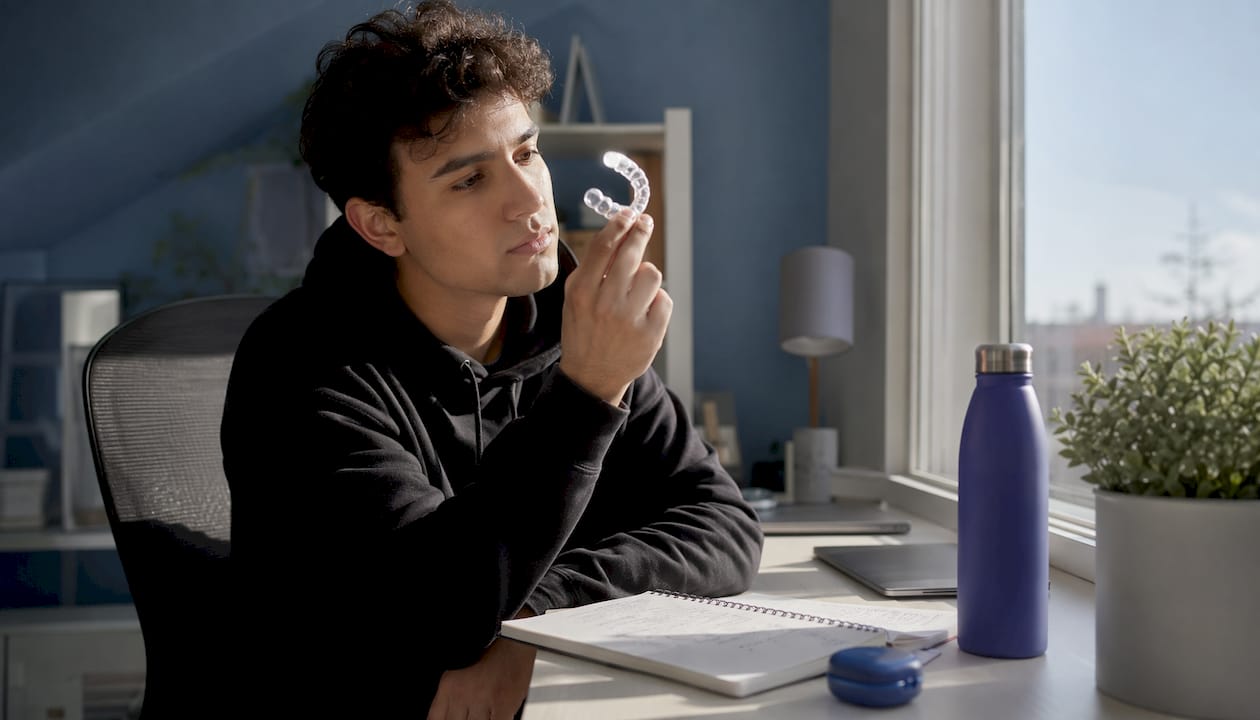
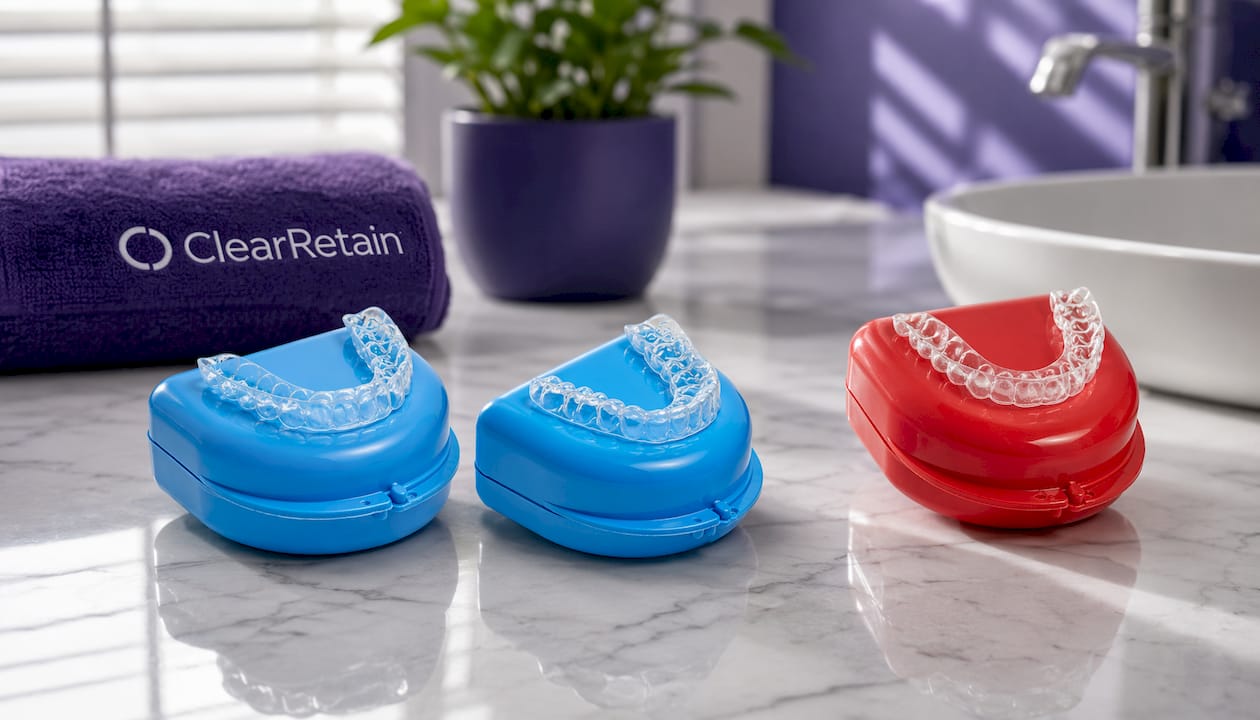
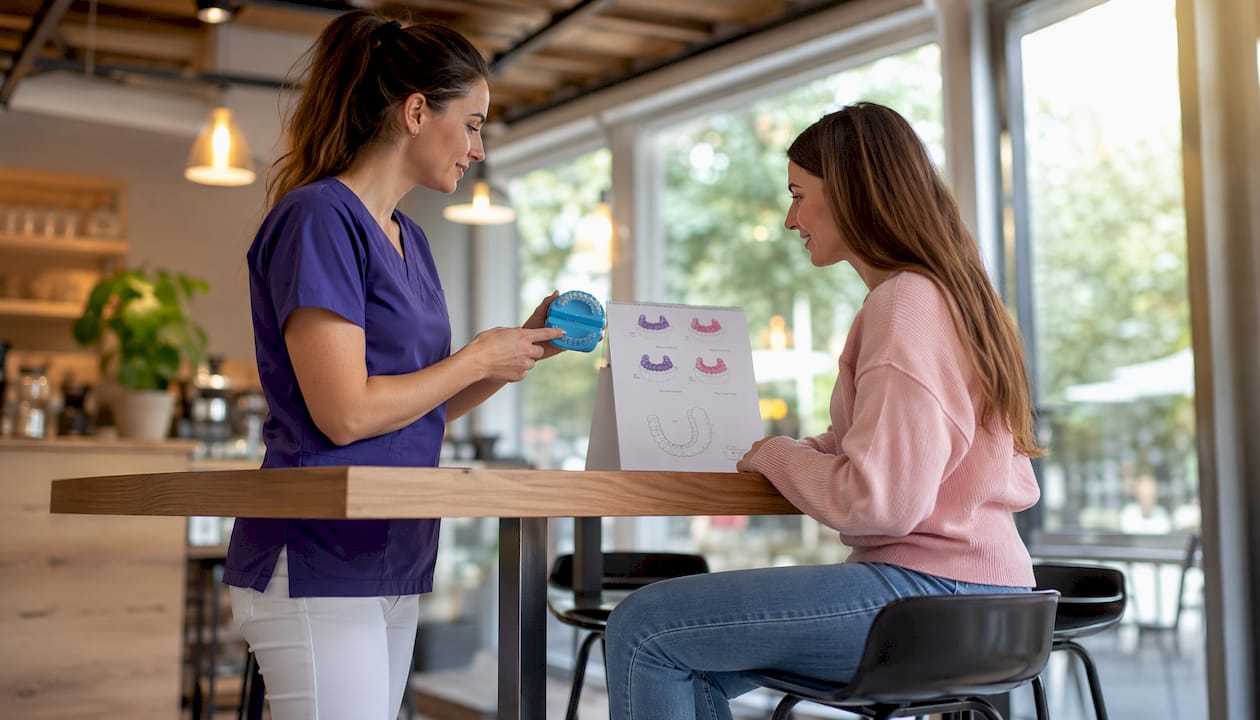
When a retainer cracks or warps, the clock starts immediately. Every day without a properly fitting retainer is a day your teeth can drift. Clearretain gives you a direct path to a replacement made from FDA-approved materials, at a fraction of what a traditional orthodontic office charges, without the wait for an appointment.
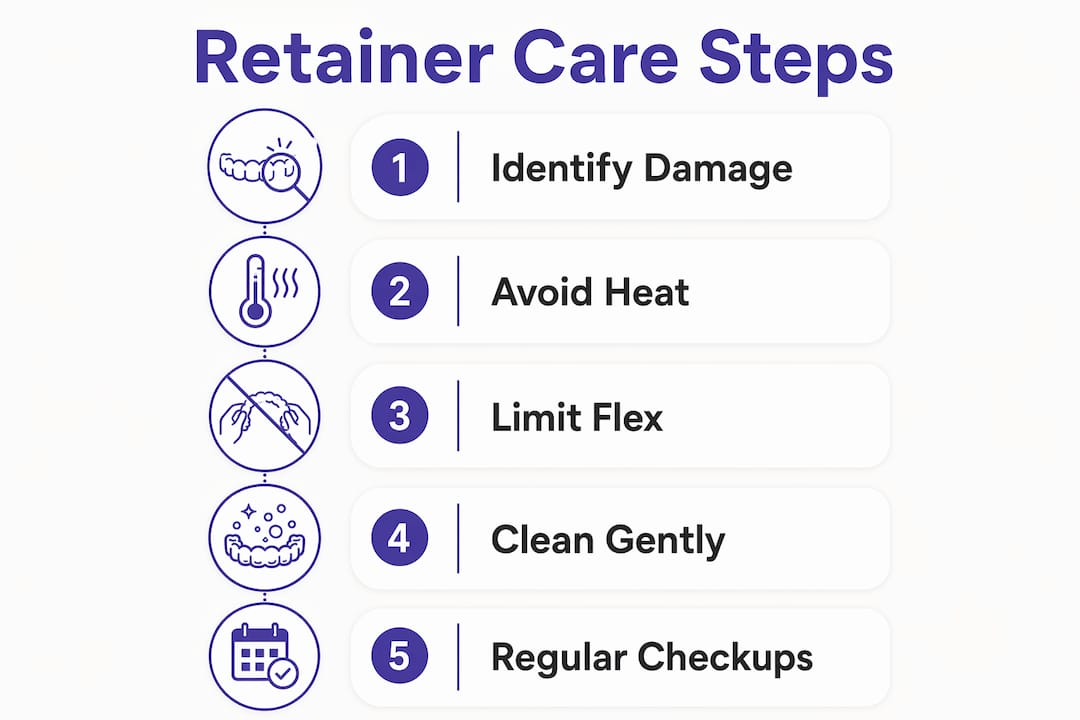
The process is straightforward: order online, complete the self-impression kit at home, and receive a retainer made under orthodontic technician supervision. No office visit, no inflated markup. Whether you need a standard replacement or want the added durability of a premium option, Clearretain has you covered. Visit clearretain.com to order your replacement today.
Key Takeaways
Retainers crack or warp primarily from mechanical stress, heat exposure, and material degradation over time. Prompt replacement and proper care are the most reliable ways to protect your orthodontic results.
| Point | Details |
|---|---|
| Heat is the fastest cause of warping | Temperatures above a certain threshold permanently distort thermoplastic retainers, even without visible damage. |
| Material degrades from the inside out | Saliva enzymes and water absorption weaken polymer chains over time, making brittleness and cracking inevitable. |
| Damaged retainers risk tooth movement | A cracked or ill-fitting retainer loses retention force, and teeth can shift quickly, especially in the first post-treatment year. |
| Skip DIY repairs entirely | Super glue and heat-reshaping worsen distortion and misalignment; professional replacement is always the right call. |
| Clearretain offers affordable replacements | FDA-approved retainers made under orthodontic supervision, with significant savings compared to traditional office pricing |