


How Baseline Photos and Custom Fit Prevent Night Guard Side Effects
Most people who start wearing a night guard notice some mild soreness, extra saliva, or a slightly off bite for the first week or two, and that’s normal adaptation. What isn’t normal is pain that gets worse instead of better, a bite that keeps shifting, or new jaw clicking and locking. Those symptoms mean stop wearing the guard and call your dentist. If you have a long-term appliance, keep baseline photos or dental records so any change is easy to spot and easy to prove.
TL;DR:
- Wearing a new night guard can cause mild symptoms like saliva increase and mild tooth sensitivity, which typically resolve within two weeks with proper adaptation.
- Over-the-counter boil-and-bite guards often fit poorly and can cause shifting, while custom-fitted guards offer a more precise fit and lower risk of soreness.
- Long-term use of poorly fitting or asymmetric guards can lead to measurable changes in bite, including reduced posterior contact and anterior open bite.
- Persistent jaw pain, bite shifting, or new locking and clicking require stopping use and consulting a dentist to prevent further damage.
- Regular cleaning, proper fit, and baseline documentation are essential to avoid hygiene problems and monitor for occlusal changes over time.
Table of Contents
- What Are the Common Night Guard Side Effects During the Break-In Period?
- Boil-and-Bite Guards Versus Custom Lab-Made Guards: Which Carries More Risk?
- Can a Night Guard Shift Your Teeth or Change Your Bite?
- Why Some Night Guards Cause Jaw Pain, TMJ Soreness, or Morning Headaches
- Hygiene Problems: Biofilm, Bad Breath, and Gum Irritation
- How Do You Choose a Night Guard That Minimizes Side Effects?
- When Should You Stop Wearing Your Night Guard and See a Dentist?
- Materials, Manufacturing, and What “Custom-Fit” Actually Means
- An Editorial Note on Protection Versus Appliance Risk
- Get a Custom-Fit Night Guard Without the Dental Office Markup
- Sources
- FAQ
What Are the Common Night Guard Side Effects During the Break-In Period?
The first week with a new night guard feels strange for almost everyone. Expect extra saliva production, a mild awareness of your jaw muscles, a brief morning sensation that your bite feels “off,” and transient tooth sensitivity. These symptoms typically fade within about two weeks as your mouth adjusts to a foreign object sitting between your teeth all night.
There’s a real reason this happens, and it’s not just psychological. Your nerves and muscles are adapting to new sensory input, your jaw muscles are stretching into a slightly different resting position, and your mandible temporarily settles differently than it does without the appliance in place. A gradual break-in routine helps most people move through this faster.
Here’s what actually helps during that window:
- Wear the guard for short daytime stretches (30 to 60 minutes) before committing to a full night, especially in the first few days.
- Build up to full-night wear over three or four nights rather than sleeping in it eight hours on night one.
- Rinse the guard in cool water each morning; never use hot water, which softens and warps most guard materials.
- Do a few gentle jaw stretches before bed to loosen muscles that tense up during the day.
- Keep a small notebook or phone note logging morning symptoms so you have an actual record, not just a vague impression that “it still feels weird.”
Pro Tip: If your guard still feels significantly uncomfortable after two full weeks of consistent nightly wear, that’s your cue to call your dentist rather than push through another two weeks hoping it resolves on its own.
Boil-and-Bite Guards Versus Custom Lab-Made Guards: Which Carries More Risk?
Store-bought boil-and-bite guards and custom lab-made guards are built from fundamentally different materials, and that difference drives most of the fit complaints dentists see. Over-the-counter guards use EVA thermoplastic you soften in hot water and bite into at home. Custom guards use lab-milled acrylic or dual-laminate material, fabricated from a precise impression or digital scan of your actual teeth.
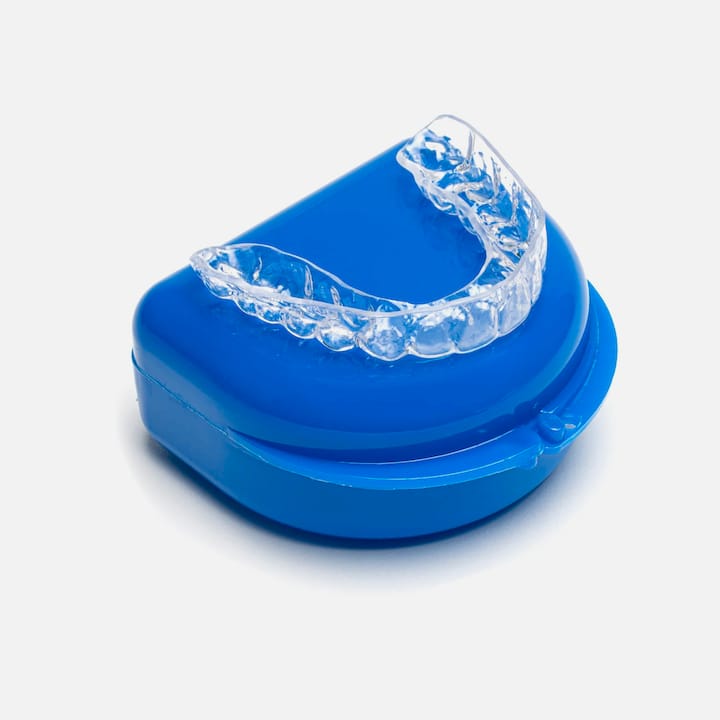
The problem with home-molded guards isn’t laziness. It’s physics. Boil-and-bite plastic is imprecise by design; you’re eyeballing a bite registration in your bathroom mirror. That imprecision creates bulk in the wrong places, uneven contact points, and loose retention that lets the guard shift during sleep. According to a clinic overview on fit problems, warped or poorly seated guards often trace back to inaccurate impressions or repeated exposure to heat, and either issue can strain jaw muscles or nudge your bite over time.
So when does an OTC guard make sense? A few situations:
- Short-term or occasional grinding tied to a stressful period, where you need coverage now and a custom guard isn’t ready yet.
- Testing whether you tolerate a night guard at all before investing in a lab-made version.
- Backup protection for travel, kept separate from your primary custom appliance.
Outside those cases, custom-fitted devices carry a lower risk of the soreness and fit failures that push people to quit wearing their guard altogether, according to Cleveland Clinic’s overview of mouth guards. If cost is the hesitation, it helps to see what OTC versus custom guards actually cost over a full year of use rather than just the sticker price on night one.
Can a Night Guard Shift Your Teeth or Change Your Bite?
Yes, and this is the side effect that catches most people off guard, literally. Long-term use of a night guard, particularly a partial-coverage design or one that fits poorly, can measurably change your occlusion over time. Documented cases include anterior open bite (your front teeth stop touching while back teeth still meet) and reduced posterior contacts, where your back molars gradually lose the even touch they used to have.
The mechanism isn’t mysterious once you understand it. A guard that loads your teeth asymmetrically, or one missing proper posterior stops, functions less like passive protection and more like an active orthodontic appliance nudging teeth in a direction nobody planned. Long-term data compiled in AADSM consensus recommendations found progressive occlusal side effects with continued therapy, including decreased posterior contacts observed in some patients over a period of years, which is why the AADSM specifically recommends baseline dental records before starting appliance therapy. Peer-reviewed work published in the British Dental Journal has documented similar cases of unintended occlusal derangement tied to night guard use, reinforcing the case for follow-up rather than set-it-and-forget-it wear.
Build your own monitoring routine around four steps:
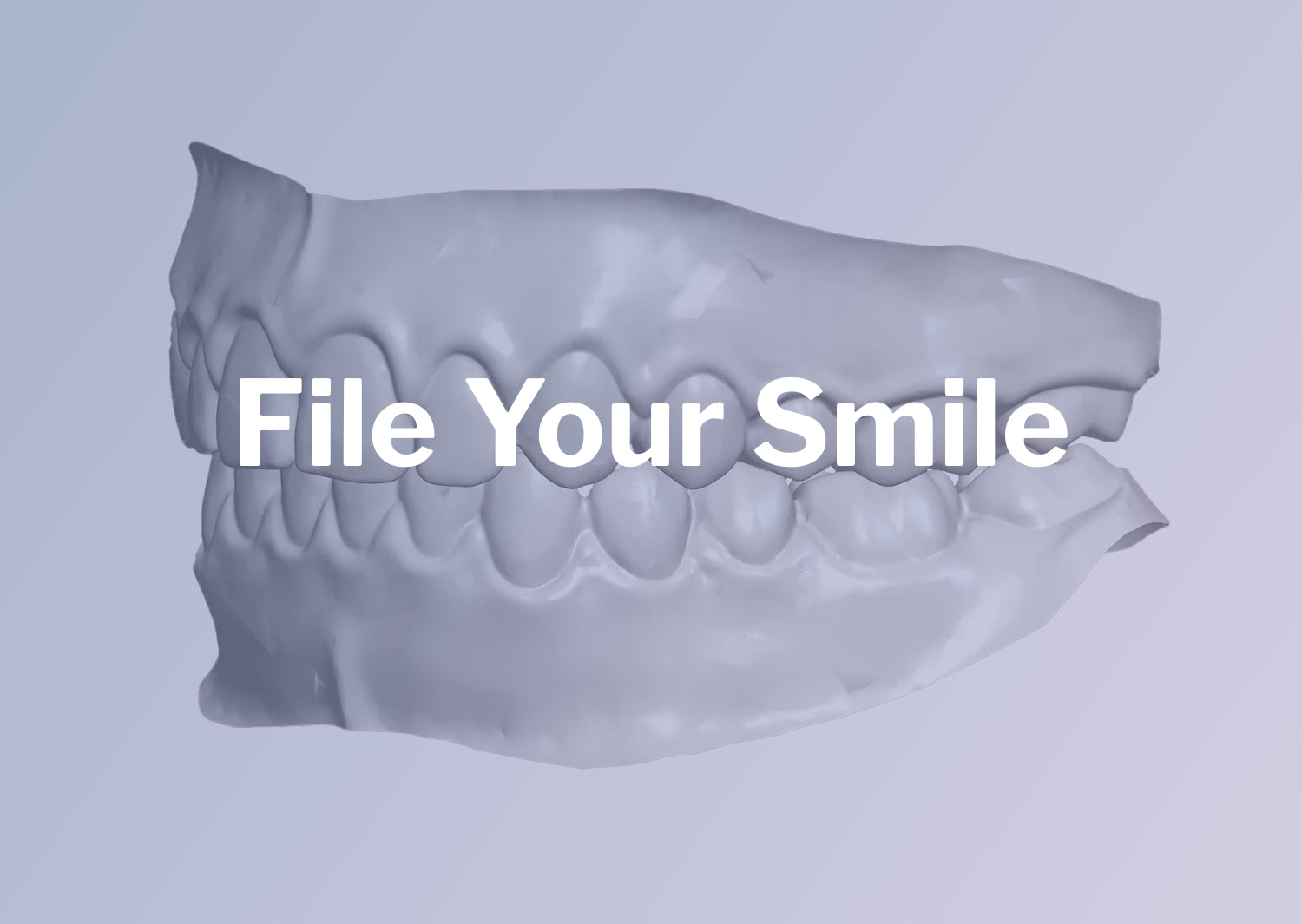
- Get baseline photos or dental casts taken before you start regular use, especially if you’ll wear the guard nightly for years.
- Schedule a dental checkup at least once a year specifically to check your bite, not just for cavities.
- Notice whether your back teeth touch evenly first thing in the morning, before you’ve eaten or moved your jaw much.
- Document any change with a dated photo the moment you notice it, not weeks later when you’re trying to remember when it started.
Why Some Night Guards Cause Jaw Pain, TMJ Soreness, or Morning Headaches
An uneven occlusal surface on your guard forces your jaw muscles to compensate all night long, and that compensation is what shows up as a stiff jaw or a dull headache when you wake up. Normal muscle adaptation gets better week over week. TMJ injury does the opposite: clicking, popping, a jaw that briefly locks, or pain that keeps escalating rather than settling down.
Clinical guidance is consistent on how to handle this. Research on oral appliance therapy side effects points to palliative care, targeted jaw stretching exercises, appliance adjustment by your dentist, and simply reducing nightly wear time as first-line responses, in that rough order.
- Try heat or a warm compress on the jaw muscles before bed for a few nights.
- Add gentle jaw stretches in the morning and evening.
- Cut back to a few nights a week temporarily if pain is sharp rather than dull.
- Call your dentist for an adjustment if soreness hasn’t eased after a week of these steps.
Pro Tip: Clicking or locking that shows up after starting a new guard is not something to “wait out.” That’s a mechanical red flag, not muscle fatigue, and it needs a dentist’s eyes on the appliance.
Hygiene Problems: Biofilm, Bad Breath, and Gum Irritation
A night guard sitting in a warm, moist mouth for eight hours is exactly the kind of environment biofilm loves. Skip regular cleaning and you’re looking at bad breath, a slimy film on the appliance, and gum inflammation that can escalate if it goes unaddressed.
Overextended acrylic margins are a separate but related problem. Research on oral appliance effects found that margins extending too far onto soft tissue can cause blanching (a whitish pressure mark) and, left uncorrected, localized gum recession or chronic inflammation. If you see white patches, small ulcers, or bleeding where the guard’s edge sits against your gums, that’s your appliance telling you it needs trimming, not something to push through.
A simple weekly routine keeps most of this at bay:
- Rinse with cool water and brush gently with a soft toothbrush every morning.
- Soak in a denture or retainer cleaning solution once or twice a week; skip anything containing bleach.
- Never use hot water for cleaning or storage, since it distorts the material.
- Store dry in a vented case, not sealed in a damp bag.
- Replace the guard when you notice visible cracking, persistent odor that cleaning doesn’t fix, or a fit that’s gone loose.
Watch for signs specifically at the gumline: blanching, small ulcers, or bleeding near the guard’s edge mean the margin needs adjusting by a professional, not a trim job with nail scissors at your kitchen table.
How Do You Choose a Night Guard That Minimizes Side Effects?
Most side-effect complaints trace back to one root cause: a guard that doesn’t fit precisely. Getting the selection process right up front saves you months of soreness later.
- Confirm full-arch coverage rather than a partial guard that leaves posterior teeth without stops, since missing stops are a known driver of occlusal shift.
- Match material hardness to your grinding intensity. Heavy grinders generally need a firmer, hard night guard rather than a soft one that wears through in months.
- Check the provider’s adjustment and return policy before you order. A comparison of materials helps you understand what you’re actually paying for.
- Ask how the impression is taken. A precise self-impression kit or a dental scan beats a rough at-home mold every time.
At delivery, ask directly: how much retention should I feel, when should I come back for a check, what sensations mean I should stop wearing it immediately, and what’s the replacement policy if it cracks or loosens?
Pro Tip: Take a photo of your bite with the guard out, on day one, before you start wearing it nightly. That single photo becomes your comparison point if anything feels different three months from now.
When Should You Stop Wearing Your Night Guard and See a Dentist?
Some symptoms are not “give it another week” territory. Stop wearing the guard and call your dentist if you notice persistent pain localized to one tooth, a bite that keeps changing rather than settling, any tooth mobility, new jaw locking, trouble breathing with the guard in, or an ulcer that bleeds.
Once you’ve stopped wearing it, take a few concrete steps before your appointment:
- Photograph the irritated area and, separately, your bite first thing in the morning.
- Write down when the symptom started and whether it’s improved, worsened, or stayed flat.
- Bring baseline photos or casts if you have them from when the guard was first delivered.
At the visit, expect your dentist to check the fit, analyze how your teeth meet, and either adjust the guard chairside or remake it entirely. Persistent or complex cases sometimes get referred to a TMJ specialist or orthodontist.
Materials, Manufacturing, and What “Custom-Fit” Actually Means
Every claim above assumes the guard itself is made well, and that’s not a given with every seller. Clearretain builds retainers, night guards, and whitening trays using FDA-approved materials, manufactured under the supervision of experienced orthodontic technicians, with self-impression kits that let you skip the office visit entirely while still getting a lab-accurate fit.
Keep your own baseline occlusion photos regardless of who makes your guard, and schedule a follow-up check a few months after delivery. If something feels off, a documented before-and-after makes the fix faster.
An Editorial Note on Protection Versus Appliance Risk
Night guards genuinely protect enamel and existing dental work from the wear of grinding, but a guard is still a medical device, not a set-and-forget accessory. The evidence here is reassuring on balance: most side effects are transient, resolve within two weeks, and respond to simple adjustments. The exceptions matter precisely because they’re rare. Frequent follow-up and a habit of documenting your bite are what separate a minor adjustment from a problem that quietly compounds for years.
If you’re unsure whether what you’re feeling is normal break-in or something worth a second look, Clearretain’s support team can help you think through fit or replacement questions before they become bigger issues.
— Clear
Get a Custom-Fit Night Guard Without the Dental Office Markup
Clearretain offers a direct-to-consumer option for night guard fitting that does not require an in-person impression appointment, providing lab-made guards supervised by orthodontic technicians. That combination is exactly what addresses most of the side effects covered above, since fit precision is the single biggest factor separating a comfortable guard from one that causes soreness or bite change.
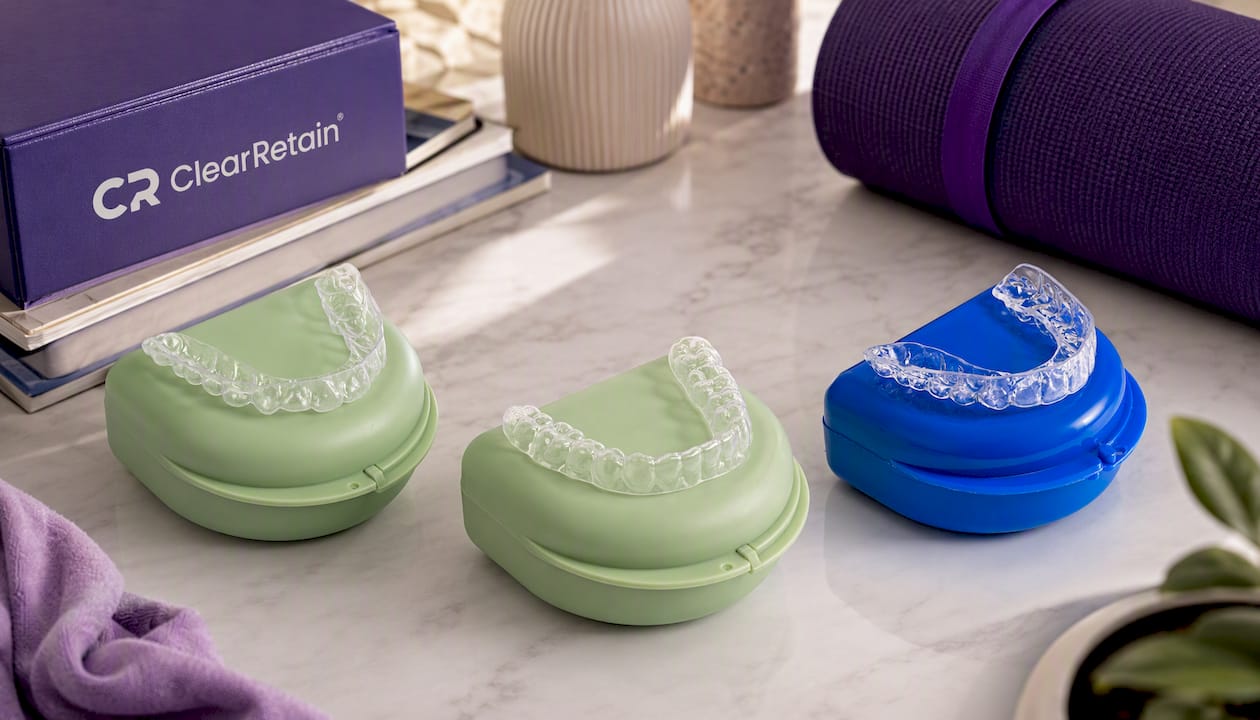
The lineup covers the situations most readers land on this page looking for. The Upper Retainer-Night Guard and Lower Retainer-Night Guard suit different grinding patterns and jaw positions, while the Hard Night Guard is built for heavier bruxism that would chew through a softer material in weeks. Every order starts with a detailed self-impression kit mailed to your door, and because Clearretain stores your digital impression, reordering a replacement later doesn’t mean starting the process from scratch.
If your current guard is already showing the fit problems described above, ordering a properly fitted replacement is the direct next step. Head to the night guard product page to compare options, or reorder a premium lower hard night guard or premium upper hard night guard directly if you already have impressions on file.
Sources
- AADSM consensus recommendations on oral appliance therapy side effects
- Oral appliance therapy side effects review (PMC7745066)
- Cleveland Clinic: Mouth Guards overview
FAQ
What are the downsides of using a night guard?
The main downsides are temporary soreness or bite shift during the first two weeks, hygiene issues if you skip regular cleaning, and, with poorly fitting or long-term appliances, possible occlusal changes like reduced back-tooth contact.
What is the best mouth guard for grinding teeth?
For moderate to heavy grinders, a custom hard night guard made from a precise impression generally outlasts and out-performs boil-and-bite versions, since custom-fitted devices tend to cause fewer fit-related problems.
Why do dentists push night guards?
Dentists recommend night guards because they protect enamel, crowns, and fillings from the mechanical wear of nighttime grinding, which is otherwise very difficult for a patient to control voluntarily.
Is magnesium good for bruxism?
Some people report that magnesium supplementation eases muscle tension linked to teeth grinding, but the evidence behind this is limited and it should not replace a properly fitted night guard or a conversation with your dentist.
Can night guards shift your teeth permanently?
Long-term or poorly fitted guards can change your bite over time, including reduced posterior contacts documented in follow-up studies, which is why baseline records and annual dental checkups matter for anyone wearing one regularly.