



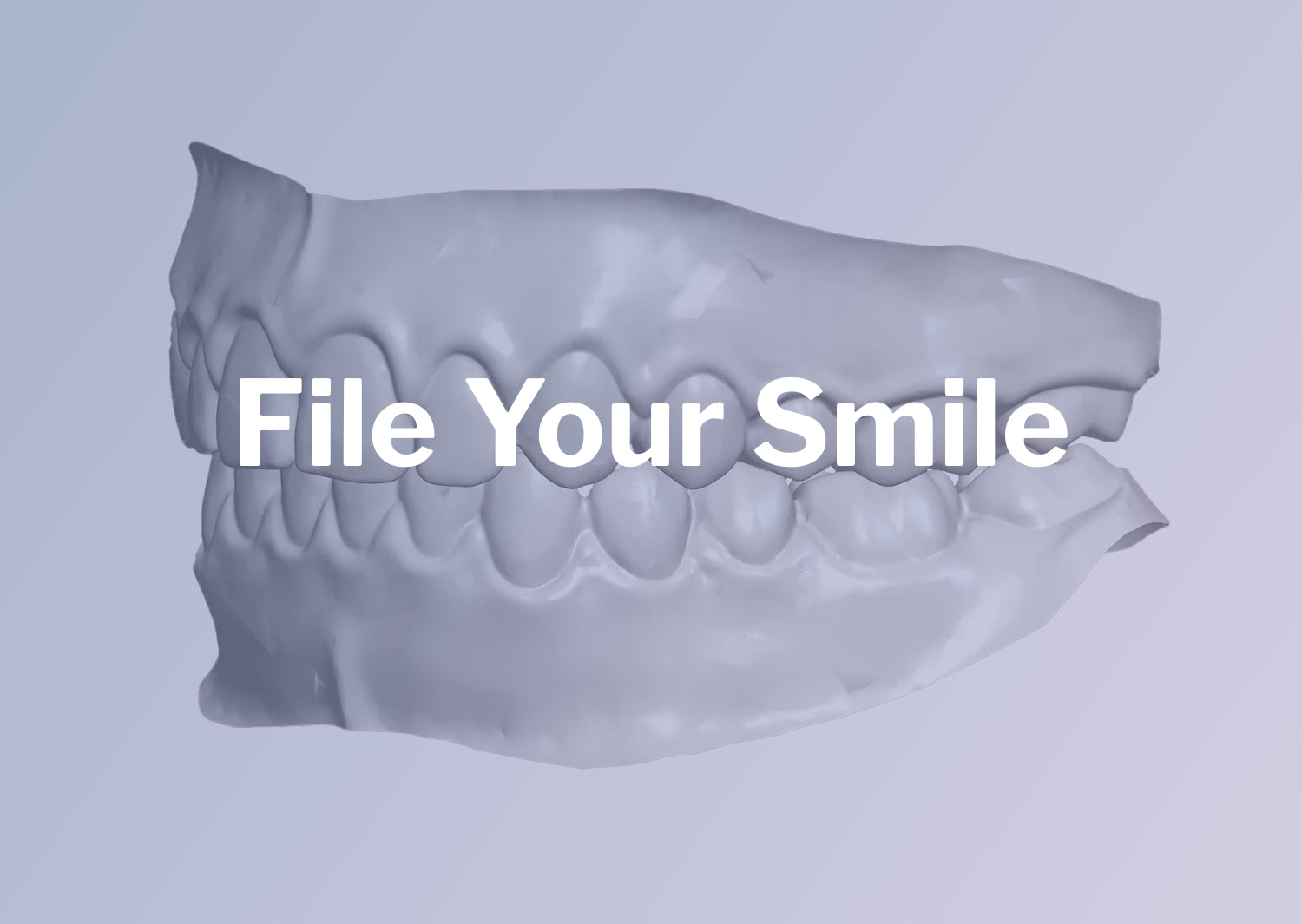
Kids Night Guard Fitting Guide for Parents
A kids’ night guard is a custom dental appliance designed to protect your child’s teeth from grinding and clenching during sleep. Clinically, this condition is called bruxism, and it affects children more commonly than most parents realize. This kids night guard fitting guide covers everything you need: how to recognize the signs, which guard type to choose, how the fitting process works, and how to keep the guard effective as your child grows. Getting the fit right from the start protects teeth, reduces jaw strain, and helps your child sleep without discomfort.
When does a child actually need a night guard?
A pediatric dentist consultation is the critical first step before any night guard is ordered or fitted. The dentist examines tooth wear patterns, jaw alignment, and other physical signs of bruxism that parents cannot see at home. Only after that exam can you know whether a guard is truly needed and what type fits your child’s bite.
That said, parents often notice warning signs first. Watch for these indicators:
- Worn or flattened tooth surfaces, especially on the back molars
- Morning jaw pain or soreness that your child mentions after waking
- Frequent headaches, particularly around the temples or forehead
- Grinding sounds you hear while your child sleeps
- Tooth sensitivity that appears without a cavity or injury
Night guards are worn over the upper teeth during sleep to create a protective barrier that absorbs grinding and clenching pressure. They do not stop bruxism directly. They manage the damage bruxism causes, which is an important distinction. Expecting a guard to cure grinding leads to disappointment. Expecting it to protect teeth and reduce jaw strain sets the right goal.
What types of night guards work best for kids?
Three types of dental guards exist on the market: stock guards, boil-and-bite guards, and custom-fitted guards. For children, the choice is straightforward.
| Guard Type | How It Fits | Recommended for Kids? |
|---|---|---|
| Stock (off-the-shelf) | Pre-formed, no adjustment | No |
| Boil-and-bite | Softened in hot water, molded loosely | Generally not recommended |
| Custom-fitted | Made from precise impressions of child’s teeth | Yes, strongly preferred |
Custom-fitted night guards provide a more precise, secure fit than stock or boil-and-bite options, which are generally not recommended for children due to poor fit and potential discomfort. A loose guard shifts during sleep and fails to protect the teeth it is supposed to cover. A guard that is too tight creates pressure points and gets removed by the child before morning.
Custom guards are made from impressions or digital scans of your child’s specific bite. The material is selected for durability and safety, and the thickness is calibrated to the child’s grinding severity. Custom-made guards also tend to reduce shifting during sleep, which directly improves their protective effectiveness.
Pro Tip: Ask your pediatric dentist whether a soft, hard, or dual-laminate material is right for your child’s grinding pattern. Soft guards suit mild grinders; hard acrylic guards handle more aggressive clenching.
There is no one-size-fits-all solution in children’s dental care. Fitting must be tailored to each child’s symptoms and bite assessment to maximize both comfort and protection.
How to fit a custom kids’ night guard: step by step
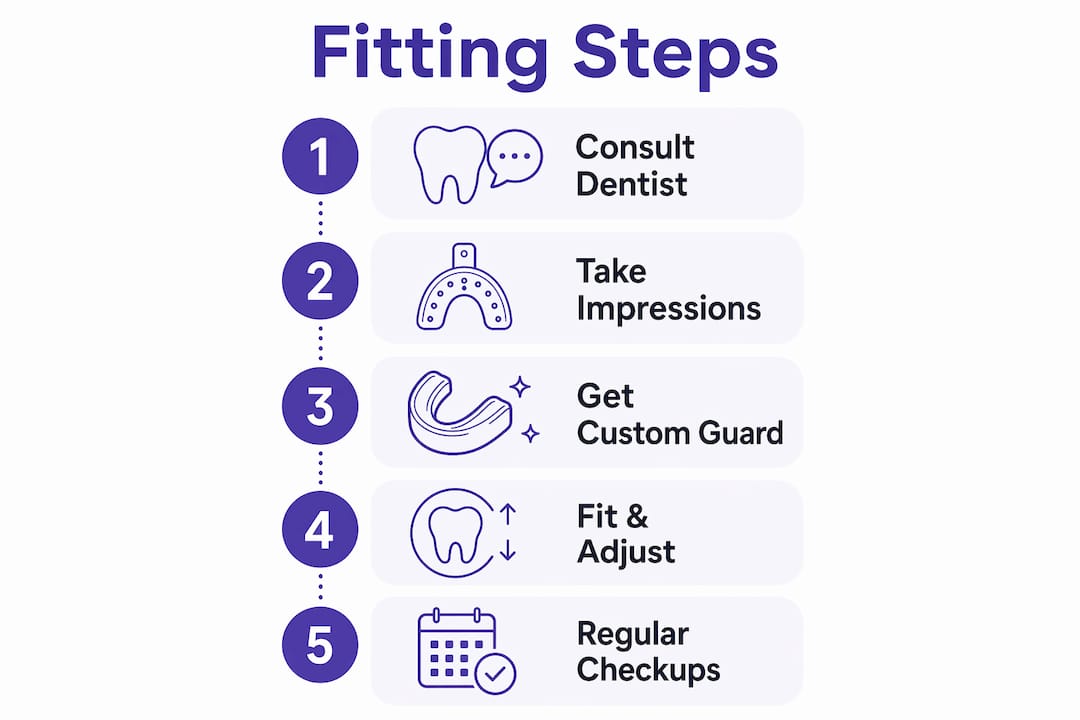
The fitting process for a custom pediatric night guard involves two appointments and active participation from both the dentist and the parent. Here is how it works from start to finish.
-
Initial consultation. The pediatric dentist examines your child’s teeth and jaw for signs of bruxism. If a guard is recommended, impressions or digital scans are taken at this visit. Digital scanning is faster and more comfortable for children than traditional putty impressions.
-
Lab fabrication. The impressions are sent to a dental lab where the guard is made to match your child’s exact bite. This typically takes one to two weeks.
-
Fitting appointment. The dentist seats the guard and checks the occlusion, meaning how the teeth come together when the mouth closes. Clinicians verify that no uneven pressure points exist, because a poorly seated guard feels tight and children will remove it during the night.
-
Insertion and removal practice. The dentist teaches your child how to place the guard over the upper teeth and how to remove it safely. Remove the guard by using fingertips at the back corners, not by pulling from the front. This prevents distorting the appliance.
-
Comfort and function check. A properly fitted guard fits snugly, allows normal breathing, and does not interfere with speech. If your child cannot breathe comfortably or feels significant pressure, the guard needs adjustment before use begins.
-
Home practice. Have your child practice inserting and removing the guard during the day before the first night of use. Daytime practice builds the habit and reduces resistance at bedtime.
Pro Tip: Let your child decorate their guard case with stickers. Ownership of the routine increases compliance, especially for kids ages 6–10.
A properly fitted mouth guard should be thick enough to provide real protection and fit snugly while allowing normal breathing and speech. If the guard passes those three tests at the fitting appointment, it is ready for nightly use.

How to care for your child’s night guard
Daily care keeps the guard hygienic, preserves the fit, and extends its useful life. The routine takes less than two minutes.
- Rinse before use. Run the guard under cool water before placing it in your child’s mouth each night.
- Brush gently after use. Use a soft toothbrush and mild soapy water to clean the guard each morning. Avoid toothpaste, which is abrasive and scratches the surface.
- Store in a ventilated case. A case with air holes prevents bacterial buildup. Never seal the guard in an airtight container while it is still damp.
- Keep away from heat. Heat warps thermoplastic materials, which ruins the fit. Never leave the guard in a hot car, on a sunny windowsill, or in hot water.
- Bring it to every dental visit. The dentist checks the fit at each appointment and identifies wear or damage you may not notice at home.
“Because children’s mouths change as teeth erupt, expect to take the night guard to dental visits for fit checks and replacement or adjustment when growth changes occur.” — Raising Children Network
Fitting is an ongoing process for growing children. A guard that fit perfectly at age seven may be too small by age nine. Parents should expect replacement within months rather than years, especially during periods of rapid tooth eruption.
How do you troubleshoot common fitting problems?
Even a well-made guard can cause issues as your child grows or adjusts to wearing it. Here are the most common problems and how to handle them.
-
The guard feels too tight. Some tightness is normal for the first few nights. If tightness causes pain or leaves marks on the gums, contact the dentist for an adjustment. Do not try to stretch or reshape the guard at home.
-
The guard slips or feels loose. A loose guard no longer protects effectively. If the guard becomes loose or causes discomfort, contact the dental office for assessment. Looseness often signals that the child’s mouth has grown and a new guard is needed.
-
Your child removes the guard during the night. This usually means the guard is uncomfortable, not that your child is being uncooperative. Check for pressure points, and have the dentist verify the occlusion.
-
The guard looks cracked or worn. A cracked guard cannot absorb grinding pressure properly. Replace it promptly rather than waiting for the next scheduled visit.
-
Your child refuses to wear it. Start with short daytime sessions to build tolerance. Pair the routine with a reward system. If resistance continues after two weeks, ask the dentist whether a different material or thickness might be more comfortable.
Pro Tip: Take a photo of the guard every month. Visual documentation makes it easy to spot gradual wear or distortion that happens too slowly to notice day to day.
Children’s mouths grow and change rapidly, and regular dental visits are necessary to check fit and replace or adjust the guard as needed. Skipping those checkups is the most common reason a guard stops working.
Key takeaways
Fitting a kids’ night guard correctly requires a pediatric dentist consultation, a custom-made appliance, and consistent follow-up as your child’s mouth grows.
| Point | Details |
|---|---|
| Start with a dentist exam | A pediatric dentist must diagnose bruxism before any guard is ordered or fitted. |
| Choose custom over stock | Custom-fitted guards provide the precise fit that stock and boil-and-bite options cannot deliver for children. |
| Follow the fitting steps | Verify snug fit, normal breathing, and comfortable removal before the first night of use. |
| Care for it daily | Rinse, brush gently, store in a ventilated case, and keep the guard away from heat to preserve fit. |
| Plan for replacement | Growing mouths require fit checks at every dental visit and replacement within months, not years. |
What i’ve learned about kids’ night guards after years of watching parents get this wrong
Most parents I talk to make the same mistake: they buy a boil-and-bite guard from a pharmacy because it is fast and cheap, and then wonder why their child refuses to wear it after three nights. The fit is the entire product. A guard that shifts, pinches, or makes breathing feel labored is not going to stay in a sleeping child’s mouth. It ends up on the nightstand by 2 a.m., and the teeth keep grinding.
The second mistake is treating the guard as a one-time purchase. I understand the instinct. You pay for the fitting, you get the appliance, you feel like the problem is solved. But a child’s mouth at age eight looks nothing like it will at age ten. Tooth eruption changes the bite geometry faster than most parents expect. A guard that fit beautifully in the fall can be functionally useless by spring. The follow-up appointments are not optional maintenance. They are part of the treatment.
What actually works is building the guard into the bedtime routine the same way you would a toothbrush. Kids who practice inserting and removing the guard during the day adapt to it at night within a week or two. Kids who are handed the guard for the first time at bedtime fight it for months. The habit is the hard part. The guard itself is just a tool.
Trust your pediatric dentist’s guidance on material and thickness. Do not upgrade to a harder guard because you assume harder means better. The right material depends on your child’s specific grinding pattern, and that is a clinical judgment, not a consumer decision.
— Clear
Get a night guard that actually fits your child
Finding a guard that holds up through months of nightly use and still fits a growing child is harder than it sounds. Clearretain offers a range of custom night guards built from FDA-approved materials and made under the supervision of experienced orthodontic technicians.

Clearretain’s direct-to-consumer model cuts out the office markup, so you get lab-quality protection at a fraction of the cost of traditional dental office pricing. The self-impression kit is detailed and parent-friendly, and the customer support team is available to walk you through every step. Whether you need a first guard or a replacement as your child grows, Clearretain makes the process straightforward. Explore the hard night guard options to find the right fit for your child’s needs.
FAQ
What is a night guard for children?
A night guard for children is a custom dental appliance worn over the upper teeth during sleep to protect against damage caused by bruxism (teeth grinding and clenching). It absorbs grinding pressure and reduces wear on tooth surfaces and jaw joints.
How do i know if my child needs a night guard?
Signs include worn or flattened teeth, morning jaw pain, frequent headaches, and grinding sounds during sleep. A pediatric dentist must confirm the diagnosis and recommend whether a guard is appropriate.
How long does a kids’ night guard last?
Because children’s mouths grow quickly, a night guard may need replacement within months rather than years. Bring the guard to every dental visit so the dentist can check the fit and identify when a new one is needed.
Can a child wear a night guard with braces?
A pediatric dentist can make a night guard designed to fit over braces. Standard guards are not compatible with orthodontic appliances, so always consult the dentist before ordering any guard for a child in active orthodontic treatment.
What happens if the night guard does not fit correctly?
A guard that is too loose, too tight, or cracked will not protect the teeth effectively and may cause discomfort. Contact the dental office for an assessment rather than continuing to use a guard that no longer fits properly.