


3 Reasons Your Night Guard Fits Poorly, and When to See a Dentist
If your night guard feels tight, slips, or leaves your bite off for hours after you wake up, it is usually one of three things: a temporary break-in adjustment, a guard that’s warped or worn, or a mouth that’s changed shape since the impression was taken. Try a careful reseat and check for cracks first. Stop wearing it and call your dentist if you have sharp pain, bleeding gums, or trouble breathing. If the material is cracked or badly warped, a replacement guard from a lab like Clearretain usually solves it faster than repeated adjustments.
TL;DR:
- A night guard that feels tight or slips may be warped due to heat damage or worn from grinding, or your mouth’s shape may have changed since initial fitting.
- Persistent symptoms like lingering tooth pain, gum irritation, or bite misalignment after two weeks indicate a poor fit that needs professional adjustment or replacement.
- Most fit issues are caused by heat distortion, structural fatigue, or dental changes, which can often be diagnosed visually and fixed with proper reseating or a new guard from a lab.
- Proper care involves cleaning with cool water, storing in a ventilated case away from heat and pets, and avoiding home modifications like trimming or heating, which can worsen fit problems.
- Custom-made guards built from accurate impressions provide better long-term fit and durability than boil-and-bite or store-bought options, reducing the likelihood of discomfort or failure.
Table of Contents
- How Should a Night Guard Actually Feel?
- What Makes a Night Guard Stop Fitting Right?
- How Do You Troubleshoot a Night Guard That Doesn’t Fit?
- When Should You See a Dentist About Your Night Guard?
- How Do You Clean and Store a Night Guard Without Warping It?
- Why Custom-Made Guards Cause Fewer Fit Problems
- What I’ve Learned Watching People Struggle With Night Guard Fit
- Getting a Night Guard That Actually Fits From the Start
- Sources
- FAQ
How Should a Night Guard Actually Feel?
A well-made night guard should feel snug the moment you seat it, without you having to bite down hard to hold it in place. It sits stable against your teeth, makes even contact across your arch, and comes out with gentle, deliberate pressure, not a fight. The edges should stop at your gumline, not dig into it.
Some tightness in the initial period of wearing a night guard is normal. Your mouth is learning to tolerate a foreign object between your teeth, and mild jaw awareness in the morning during this time is not usually a cause for concern. What is a red flag: symptoms that don’t fade, or get worse, after a week or two of consistent wear.
Watch for these signs that something is actually wrong, not just new:
- Tooth pain that lingers well past the moment you take the guard out
- Sore or irritated gums where the edge of the guard rubs
- The guard popping out on its own during the night
- Your bite feeling “off” or misaligned for hours after removal
- New or worsening jaw clicking, popping, or morning stiffness
The Minnetonka Dental clinical team notes that persistent tooth pain, gum irritation, and bite changes are the most common markers of an ill-fitting appliance, and they rarely resolve on their own once they show up. If you’re two weeks in and still fighting the guard every night, that’s not adaptation. That’s a fit problem.
What Makes a Night Guard Stop Fitting Right?
Night guards don’t usually fail all at once. They drift out of fit through a handful of predictable mechanisms, and knowing which one applies to you tells you whether you need an adjustment or a whole new appliance.
Heat is the number one silent killer. Rinsing your guard in hot water, leaving it on a sunny windowsill, or storing it in a hot car can warp the plastic just enough to throw off the fit permanently. This kind of thermal distortion is one of the most common, and most preventable, causes of a guard that used to fit and suddenly doesn’t.
Beyond heat damage, four other factors show up again and again:
- Grinding wear: heavy bruxism generates enough repetitive force to thin, crack, or flatten the material over months, and research on bruxism and oral appliances confirms this wear directly reduces how well a guard retains its shape and grip.
- Dental changes: a new crown, a filling, an extraction, or orthodontic movement all change the landscape your guard was molded to, so a guard that fit perfectly six months ago may no longer seat the same way.
- Impression errors: a rushed or inaccurate impression at the start means the guard was never a true match for your mouth, even on day one.
- Structural fatigue: microcracks, thinning edges, and permanent flex are signs the material itself has given out and no amount of reseating will fix it.
Boil-and-bite guards are especially prone to this last problem, since the at-home molding process is inconsistent and the material can distort as it cools, long before wear even enters the picture.
How Do You Troubleshoot a Night Guard That Doesn’t Fit?
Work through this in order. Most fit complaints resolve in the first two or three steps.
- Inspect the guard in daylight. Look for cracks, thin spots, chips at the edges, or any part that looks bent out of its original shape. If you see structural damage, skip straight to calling your dentist.
- Reseat it properly. Take it out, rinse it briefly in cool water, and press it into place starting at your back molars, working forward with even pressure on both sides. Don’t bite down hard to force it. Let your fingers do the seating.
- Give it three to five consistent nights. Minor tightness that’s part of normal break-in should ease noticeably within that window. If it hasn’t budged, that’s your signal to move to professional care.
- Check your cleaning and storage habits. A guard that’s been rinsed in hot water or left in a warm car is likely warped, not just adjusted wrong. If that’s the case, see the storage section below before you assume it needs a dental visit.
- Reassess and escalate if needed. Persistent tightness, rubbing, or a bite that won’t settle after a few nights means it’s time to call your dentist rather than keep fighting it.
Pro Tip: Take a photo of any crack, chip, or worn spot before your dental appointment. Clinicians can diagnose a fit problem in seconds when they can see exactly where the material has broken down, rather than reconstructing the timeline from memory.
What you should never do at home: heat the guard to “soften” it, trim it with scissors or a nail file, or try to reshape it by hand. These fixes feel logical in the moment, but they almost always make the fit worse and can void any warranty on a custom appliance. Leave adjustments to whoever made the guard.
A dentist, by contrast, can usually fix a borderline case in a single short visit. Common chairside corrections include smoothing a sharp or rough border that’s irritating your gums, doing minor occlusal adjustments so your bite meets evenly, or in some cases rebasing the guard to restore a snug fit without remaking it from scratch. If you’re dealing with recurring adjustment needs, Clearretain’s guidance on safe night guard adjustments walks through what falls into the “safe to try” category versus what belongs strictly in a dentist’s hands.
When Should You See a Dentist About Your Night Guard?
Certain symptoms don’t belong in the “wait and see” category. If you notice any of the following, schedule an appointment rather than trying another round of home adjustments:
- Jaw pain that’s getting worse instead of better week over week
- New clicking, popping, or a jaw that occasionally locks
- Teeth that feel loose or shift slightly when you press on them
- Mouth ulcers, sores, or bleeding gums from the guard’s edges
- Any sensation that the guard interferes with breathing
Mayo Clinic’s guidance on bruxism is direct on this point: ongoing pain, bite changes, or jaw symptoms tied to an appliance warrant professional evaluation, not continued at-home troubleshooting.
At the visit, expect your dentist to check retention (how well the guard holds itself in place), map where your teeth contact the appliance, look for tissue trauma from rubbing edges, and study wear patterns on the plastic itself. Those wear grooves are diagnostic. Depending on what they find, you’ll likely walk away with either a quick chairside adjustment, a remake from fresh impressions, or a referral for broader bruxism management if grinding is the underlying driver.
How Do You Clean and Store a Night Guard Without Warping It?
Most avoidable fit problems trace back to how the guard is handled between wears, not how it was made. The fix is simpler than people expect.
Clean it with cool or lukewarm water and a mild, non-abrasive soap, or a cleaner your provider recommends. Skip boiling water entirely. It’s the single most common cause of accidental warping, and once a guard distorts from heat, no amount of reseating brings back the original shape.
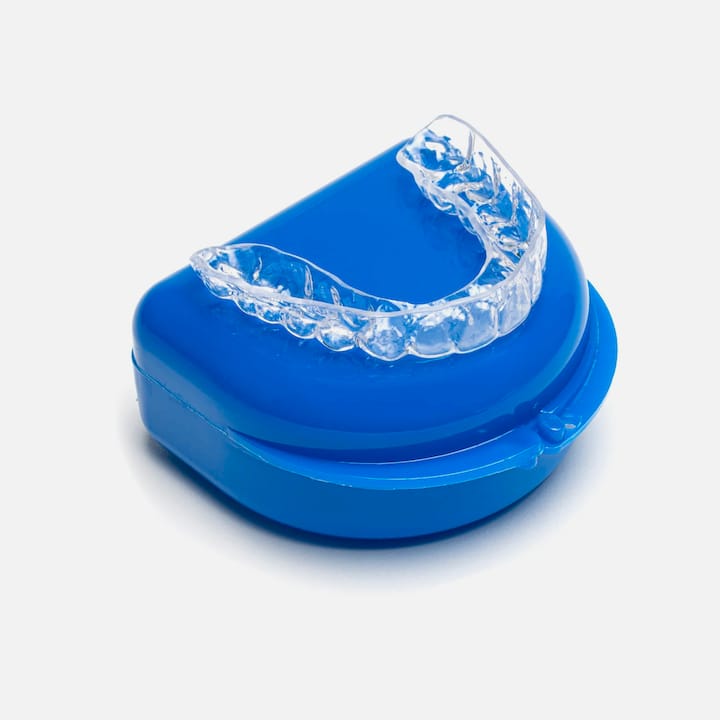
Store the guard in its ventilated case when you’re not wearing it, away from direct sunlight, heaters, and hot cars. A guard left on a dashboard in summer can lose its shape in under an hour. Keep it away from pets too. Dogs treat mouth guards like chew toys, and a guard with visible damage from chewing will no longer fit properly.
Never bite down on it outside of normal wear, chew on it while watching TV, or attempt a home repair with glue or a lighter. Once you see deep grooves, thinning, or cracks, that’s a replacement guard, not a repair project.
Pro Tip: Rinse your guard the moment you take it out in the morning, before saliva and food debris dry onto the surface. It takes ten seconds and prevents the buildup that eventually degrades the material’s fit.
Why Custom-Made Guards Cause Fewer Fit Problems
Most of the fit failures above trace back to one root issue: the guard was never an accurate match for the mouth wearing it. Lab-fabricated custom guards start from a precise impression, which is why research comparing appliance types consistently finds them more predictable and longer-lasting than boil-and-bite alternatives.
A reputable dental appliance provider builds guards from FDA-approved materials, under the supervision of experienced orthodontic technicians, using a self-impression kit designed to capture an accurate mold on the first try. That accuracy is what separates a guard that seats once and holds for years from one that needs constant readjustment. Reorders pull from stored impressions, so a lost or damaged guard doesn’t mean starting the fitting process over. If a new guard still doesn’t feel right, some providers offer fit guarantees to cover such scenarios.
What I’ve Learned Watching People Struggle With Night Guard Fit
The biggest mistake I see isn’t a manufacturing defect or a bad impression. It’s delay. People notice a guard feels tight or rubs a certain spot, decide to “give it another week,” and end up wearing something uncomfortable for a month before saying anything to their dentist or provider. Most fit problems that get reported early turn into a five-minute adjustment. The same problems, left alone, sometimes end up requiring a full remake because the patient stopped wearing the guard altogether and the grinding it was protecting against did its damage anyway.
Before any appointment or support call, document what’s actually happening. A quick photo of a worn or cracked spot, a note on when the discomfort shows up, and a plain description of the symptom, tight, loose, rubbing, aching, save real time. Vague complaints get vague answers. Specific ones get fixed. And once the fit is corrected, wear it every night. A night guard sitting in a drawer because it once felt uncomfortable protects nothing.
— Clear
Getting a Night Guard That Actually Fits From the Start
A generic mouthguard from a drugstore is molded by hand and cooled unevenly, which is exactly why so many people end up back here searching for fixes. Some companies skip that guesswork by building each guard from your own impression, in a lab, under supervision from experienced orthodontic technicians, often at prices significantly lower than typical dental offices.
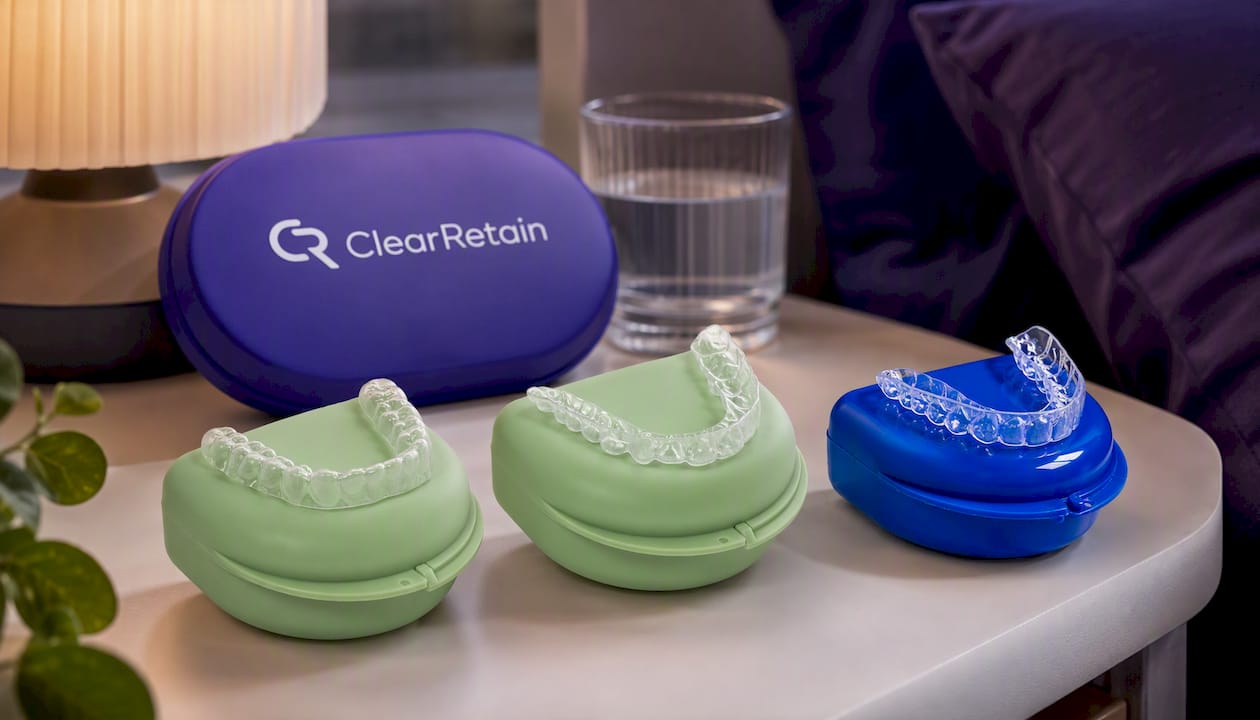
If you grind lightly or mostly need coverage on top, the Upper Retainer-Night Guard is the standard starting point. Some people need coverage on the lower arch instead, particularly if their bottom teeth take the brunt of nighttime clenching, and the Lower Retainer-Night Guard is built for that case. For heavy grinders whose guards keep cracking or wearing through faster than expected, the Hard Night Guard uses a denser material designed to hold up under stronger, more frequent forces.
Ordering starts with a self-impression kit that walks you through the process at home, step by step, so the mold that reaches the lab is accurate the first time. Once your guard ships, that impression stays on file, so a replacement or backup down the line skips the mold entirely. Browse the full night guard collection to compare options, or start your order today.
Sources
- NCBI review on bruxism and oral appliance outcomes
- NIDCR — bruxism
- Mayo Clinic — bruxism diagnosis and treatment
FAQ
How Do You Know If a Night Guard Doesn’t Fit Properly?
Look for lasting tooth pain, gum irritation where the edges sit, a guard that pops out on its own, or a bite that feels off for hours after you take it out. A short adjustment period with mild awareness is normal, but symptoms that persist past one to two weeks point to an actual fit problem rather than break-in.
What Are the Downsides of Wearing a Night Guard for Teeth?
An ill-fitting guard can cause gum soreness, jaw discomfort, or a shifted bite if it’s warped, cracked, or was poorly molded to begin with. These downsides mostly trace back to fit and material quality rather than the concept of wearing a guard itself, which is why the NIDCR recommends proper dental oversight for bruxism treatment.
Should a Night Guard Touch All Teeth?
Yes, a properly fitted guard should make even contact across your arch so the biting force spreads evenly instead of concentrating on a few teeth. Uneven contact is often the first sign of warping or a guard that no longer matches your current bite.
Is It Normal for a Night Guard to Be Tight?
Some tightness in the first few nights is normal as your mouth adjusts, but a guard that stays uncomfortably tight after several nights of consistent wear usually needs a professional check. If tightness doesn’t ease and instead comes with pain or bite changes, that points to a fit issue rather than adjustment, and a reseat and inspection routine is the right first step before calling your dentist.