



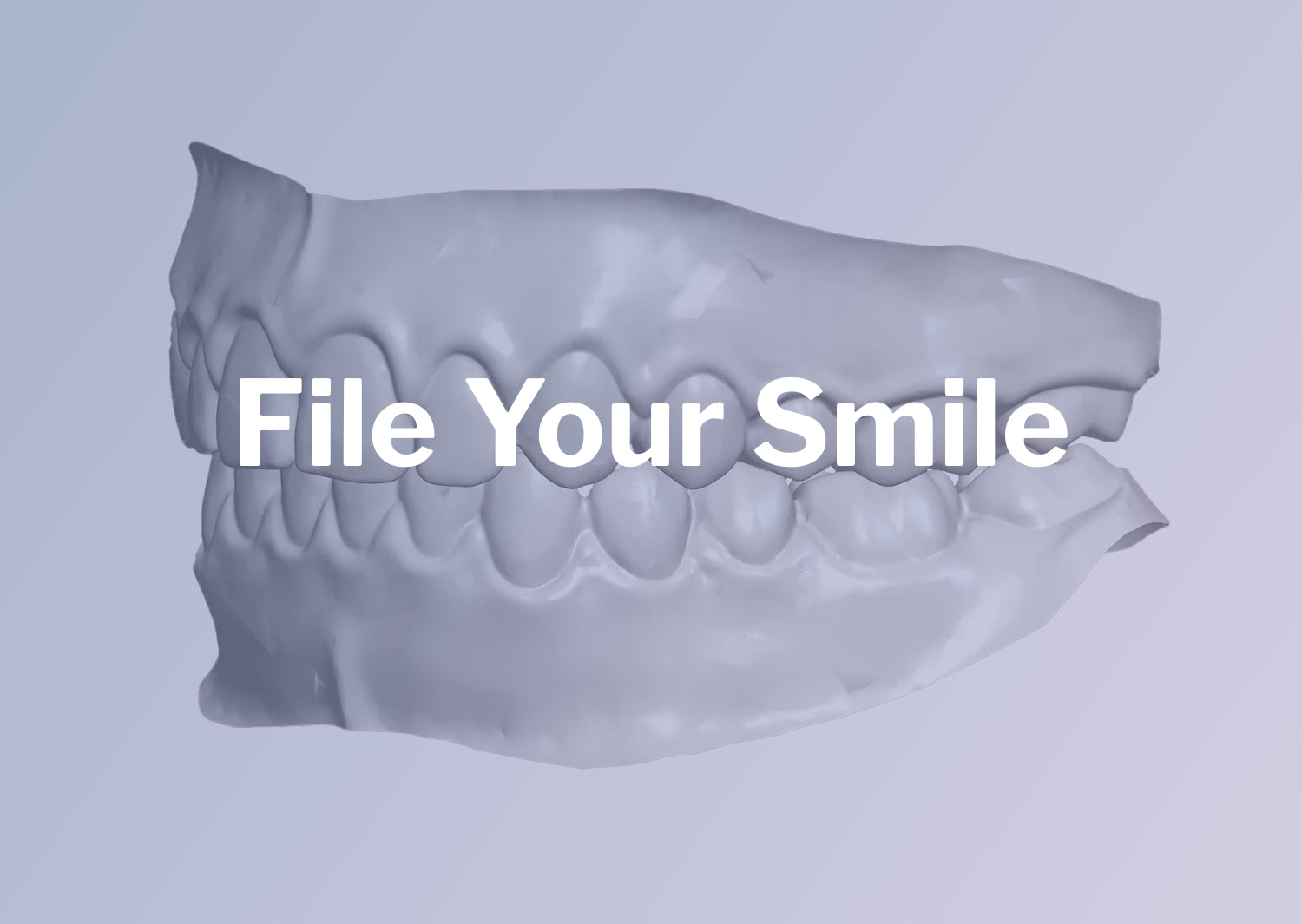
Dentist First: 3 Steps to Stop Grinding Teeth
The most reliable way to stop grinding teeth is to combine three things at once: get a dentist to check for wear and rule out sleep apnea, wear a clinician-fit night guard to protect your enamel, and cut evening caffeine and alcohol while practicing jaw relaxation. There’s no guaranteed cure for most adults, but this combination consistently reduces damage and, for many people, the grinding itself. If headaches, jaw pain, or loud snoring are part of the picture, loop in a sleep specialist before you do anything else.
TL;DR:
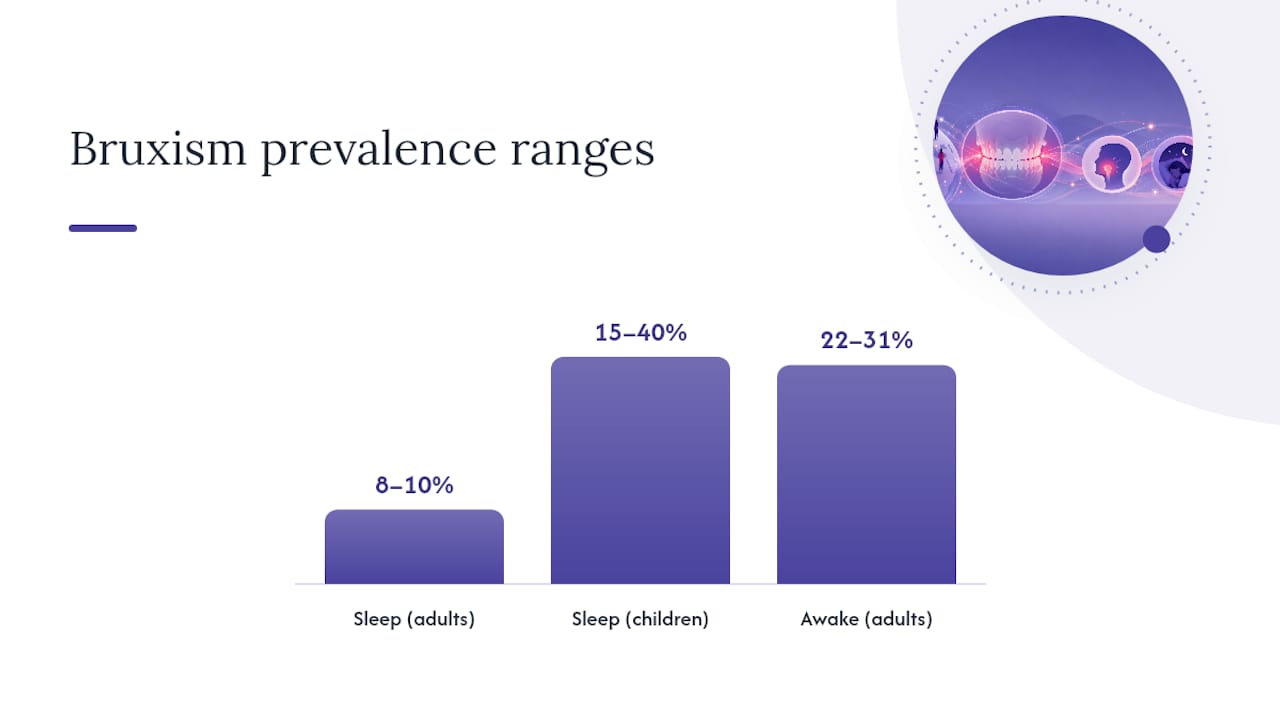
- Sleep bruxism affects 8-10% of adults and 15-40% of children, requiring tailored treatment approaches compared to awake bruxism’s treatment.
- A combination of dental checkups, wearing a custom night guard, and avoiding evening caffeine and alcohol consistently reduces damage and grinding episodes.
- Soft over-the-counter mouthguards can worsen grinding if ill-fitting, while hard acrylic guards are generally more effective and durable for long-term use.
- Addressing underlying health issues like sleep apnea or medication side effects can significantly reduce bruxism severity, especially in cases linked to medical conditions.
- Staying consistent with habits, regular dental assessments, and working with healthcare providers improve long-term teeth protection and bruxism management.
Table of Contents
- What Bruxism Is and How Common It Really Is
- How Dentists Diagnose Bruxism and When to See One
- Immediate Self-Help Steps to Try Tonight
- Mouth Guards and Dental Appliances: What Actually Works
- When Bruxism Points to a Bigger Medical Issue
- Therapies With Real Evidence, and Ones That Overpromise
- Keeping Your Teeth Safe for the Long Haul
- Finding the Right ClearRetain Product for Your Grinding Pattern
- The Realistic Path Forward
- Protecting Your Teeth Doesn’t Require an Orthodontist’s Price Tag
- Sources
What Bruxism Is and How Common It Really Is
Bruxism comes in two forms, and they don’t behave the same way. Sleep bruxism is an involuntary grinding or clenching that happens during sleep, often tied to arousal patterns in the brain. Awake bruxism is a daytime habit, usually clenching without much grinding, and it’s closely linked to stress and concentration.
The numbers are bigger than most people assume. Sleep bruxism shows up in 8% to 10% of adults and 15% to 40% of children, while awake bruxism affects an estimated 22% to 31% of adults. That split matters for treatment: sleep bruxism responds best to protective devices and medical workups, while awake bruxism responds better to habit awareness and stress management, since you can actually catch yourself doing it.
How Dentists Diagnose Bruxism and When to See One
Bruxism diagnosis usually starts in the dental chair, not a sleep lab. A dentist checking for grinding will look for flattened or chipped teeth, enamel wear, jaw muscle tenderness, and clicking or popping in the jaw joint, sometimes confirmed with dental X-rays to check bone and root stress.
Polysomnography, an overnight sleep study with muscle monitoring, is considered the gold standard for confirming sleep bruxism in research settings, but most dentists diagnose it clinically first and only refer for a sleep study when something else looks off.
Watch for these signs that mean it’s time to book an appointment rather than wait it out:
- Morning headaches that show up several times a week
- Visible chips, cracks, or flattening on your teeth
- Jaw pain, tenderness, or a locking sensation when you open wide
- Loud snoring, gasping, or a partner noticing pauses in your breathing
- Tooth sensitivity that’s gotten worse over a few months
Any of these, especially the snoring or breathing pauses, deserves a conversation about a sleep evaluation, not just a mouth guard.
Immediate Self-Help Steps to Try Tonight
You can’t always stop nighttime grinding through willpower alone, but you can stack the odds in your favor before bed. Experts point to a handful of lifestyle adjustments that are low-risk and worth trying immediately, even though the research on how much they help varies:
- Cut caffeine and alcohol in the evening. Both increase muscle activity and disrupt the sleep stages linked to grinding.
- Keep a consistent sleep and wake time. Irregular sleep is one of the more overlooked triggers.
- Practice the “lips together, teeth apart” cue during the day. This retrains the awake clenching habit, which research suggests responds well to simple habit-reversal awareness.
- Apply a warm compress to the jaw muscles for ten minutes before bed to ease tension.
- Try gentle jaw stretches, like slowly opening and closing your mouth, to loosen the muscles that tend to overwork at night.
- Use a short-term over-the-counter pain reliever for morning soreness, but treat that as symptom management, not a fix.
- Avoid stimulating screens or work tasks in the last hour before sleep. A wound-up nervous system tends to carry that tension into your jaw.
Pro Tip: Set a phone reminder for midafternoon, the point in the day when clenching habits tend to creep in unnoticed. Check your jaw. If your teeth are touching, that’s your cue to reset your posture and unclench.
Mouth Guards and Dental Appliances: What Actually Works
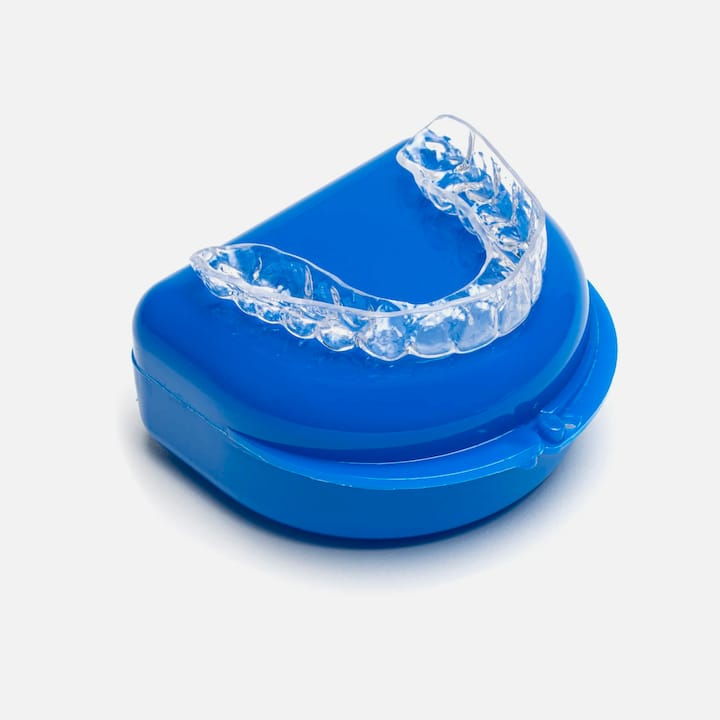
A custom-fit night guard is still the single most effective tool for protecting your teeth from grinding damage, even though it doesn’t always stop the grinding itself. Research on oral appliances shows mixed results on reducing how often episodes happen, but a solid signal for reducing tooth wear and easing morning jaw pain.
A few distinctions matter more than most people realize:
- Hard acrylic stabilization splints are generally preferred over soft guards because they hold up better and give a dentist more control over your bite alignment.
- Soft, boil-and-bite guards from the drugstore can actually backfire. Some patients clench harder against soft material, and a poor fit can make things worse rather than better.
- Mandibular advancement devices, which shift the lower jaw forward, are built for obstructive sleep apnea, not standalone bruxism. They’re the wrong tool if sleep apnea hasn’t been diagnosed.
- If you already have diagnosed sleep apnea, a standard occlusal splint can actually worsen it by narrowing your airway, so that diagnosis changes which device is safe.
If you’re weighing your options, a breakdown of custom-fit guard types is a useful next read before you buy anything off a shelf.
When Bruxism Points to a Bigger Medical Issue
Grinding is sometimes a symptom, not the root problem. Obstructive sleep apnea (OSA) is one of the more common hidden drivers, and treating the apnea often reduces the grinding as a side effect. If you snore heavily, wake up gasping, or feel exhausted no matter how many hours you sleep, that’s worth raising with your doctor.
Certain medications, particularly some antidepressants (SSRIs), are known to trigger or worsen bruxism. Never stop a prescribed medication on your own. Talk to the prescriber first. There’s often an alternative or a dose adjustment that resolves it without derailing your mental health treatment.
Coordinated care tends to produce the best outcomes:
- A dentist to monitor tooth wear and fit protective devices
- A primary care doctor to review medications and general health
- A sleep medicine specialist if OSA is suspected
- An ENT if airway structure seems to be part of the problem
Therapies With Real Evidence, and Ones That Overpromise
Not every treatment marketed for bruxism has research behind it, and it’s worth knowing which ones do before you invest time or money.
Cognitive behavioral therapy (CBT) and habit-reversal training have the strongest evidence for awake bruxism specifically, since they target the conscious clenching habit directly. Biofeedback devices, which alert you when jaw muscle activity spikes at night, show promise in some studies but the results are inconsistent across trials.
Botulinum toxin injections are sometimes used for severe cases. They reduce muscle force and can meaningfully ease jaw pain, but they don’t necessarily reduce how often grinding episodes occur, and effects wear off over months, requiring repeat injections. Medications for bruxism itself have limited supporting evidence and are typically used short term, as an adjunct rather than a standalone fix.
Keeping Your Teeth Safe for the Long Haul
Bruxism management isn’t a one-time fix. It’s maintenance. Schedule regular dental checkups so your dentist can catch new wear patterns or check whether your night guard still fits correctly. Appliances flatten and thin out over time, and a guard that fit perfectly a year ago might not be doing its job anymore.
Keep the sleep hygiene and stress habits going even after symptoms improve. Relapse is common when people quietly drop the routines that were working. Reassess sooner than your next scheduled visit if you notice new jaw pain, a guard that feels loose or cracked, or headaches creeping back.
Finding the Right ClearRetain Product for Your Grinding Pattern
Once a dentist has confirmed bruxism and ruled out sleep apnea, matching the right appliance to your situation is straightforward. An Upper Retainer-Night Guard works well if you want retention and grinding protection in one device, while a Hard Night Guard suits heavier grinders who need maximum durability.
- Need a straight replacement retainer without the guard function? The Upper Teeth Retainer and Lower Teeth Retainer cover that.
- Missing a single tooth and still need nighttime protection? The Upper Partial Denture Retainer is built for that case.
- Want to whiten while you protect? Pair a guard with the Tooth Whitening Serum or Teeth Bleaching Trays.
Every device is molded from a self-impression kit and fabricated under supervision from experienced orthodontic technicians using FDA-approved materials, but the diagnosis still needs to come from a dentist first.
The Realistic Path Forward
Protecting your teeth matters more than chasing a perfect cure that doesn’t reliably exist yet. Get the clinical evaluation done first. Then treat the appliance as insurance for your enamel while you work on the habits and, if needed, the medical issue underneath. Readers often want a single fix; the honest answer is a short list of moves that work together, not one that works alone.
— Clear
Protecting Your Teeth Doesn’t Require an Orthodontist’s Price Tag
A custom night guard can often be ordered online using a detailed self-impression kit and made with FDA-approved materials and supervised lab fabrication, potentially lowering the cost compared to traditional dental offices after a dentist has confirmed bruxism and ruled out sleep apnea.
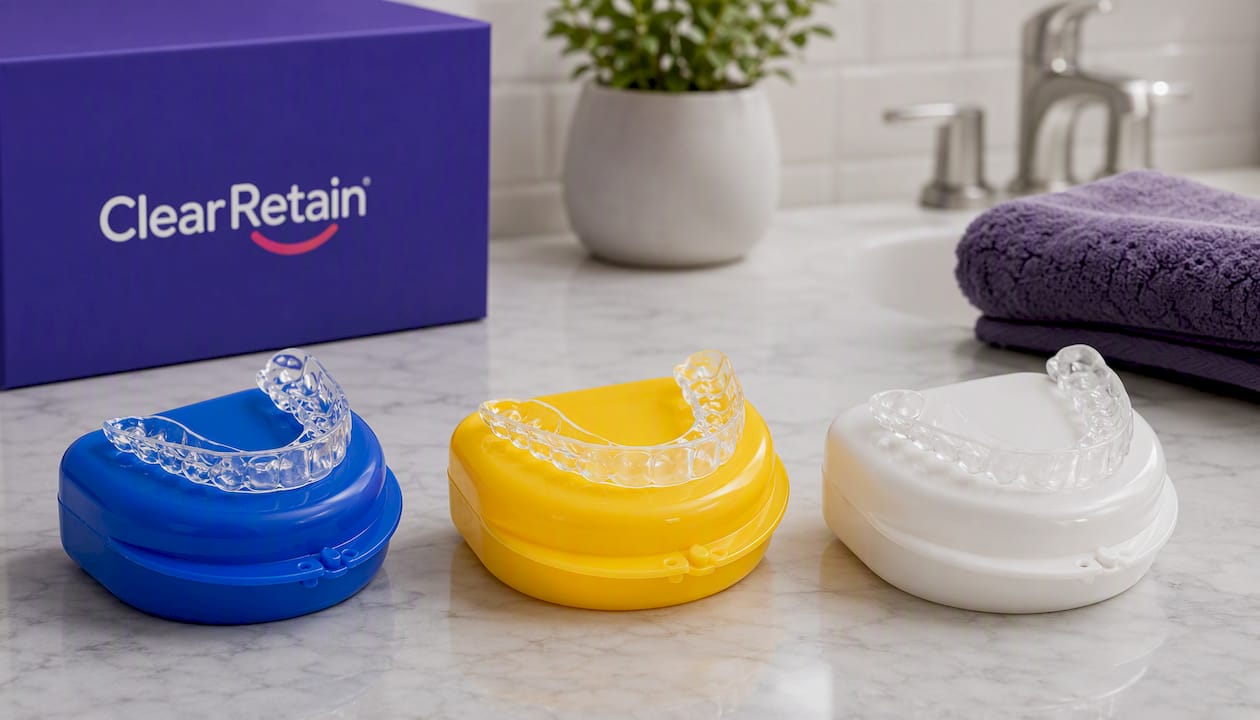
If you’re a heavy grinder, the Hard Night Guard gives you the durability and bite control that soft, boil-and-bite guards can’t match. If you need retention and protection combined, the Upper Retainer-Night Guard covers both in one device, and you can store your digital impression for easy reordering when it’s time to replace it. Browse the full night guard collection and place your order once your dentist gives the go-ahead.
This article is general information, not a substitute for advice from a qualified doctor. Consult a qualified healthcare professional about your own circumstances before acting on anything here.
Sources
- Systematic review on bruxism prevalence (2024)
- Bruxism | National Institute of Dental & Craniofacial Research
- Managements of sleep bruxism in adult: A systematic review
- Bruxism Management - StatPearls / NCBI Bookshelf