



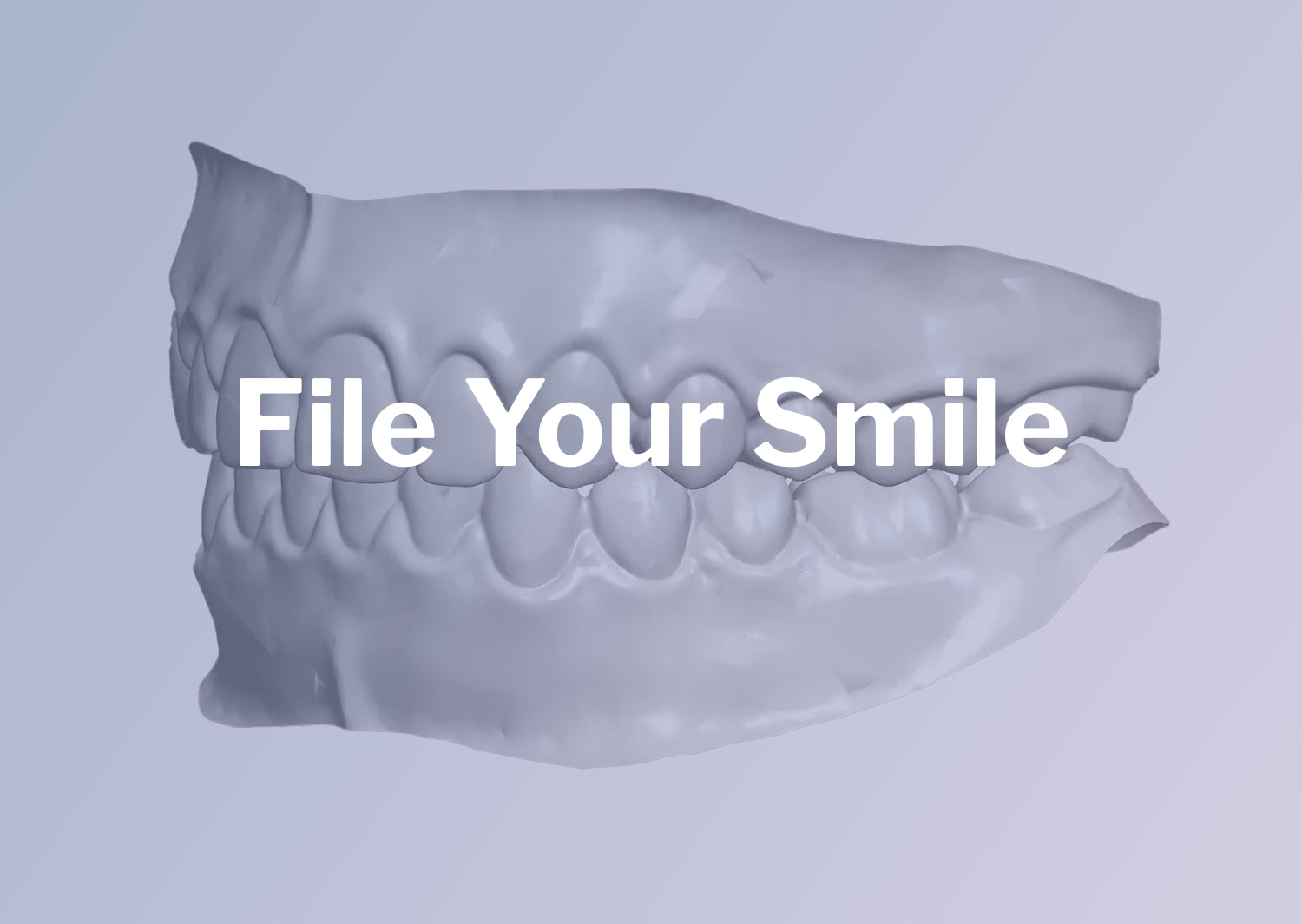
Child Teeth Grinding Solutions Guide: What to Do Tonight
If your child grinds their teeth at night, do three things: check for tooth damage or jaw pain, calm the bedtime routine tonight, and hold off on panicking, because most kids outgrow it. Here is what to try before bed and who to call if something looks off.
- Comfort first: a warm washcloth against the jaw or a soft cold pack for 10 minutes eases muscle tension.
- Sleep hygiene tonight: cut screens an hour before bed, keep the same lights-out time, and skip sugary drinks after dinner.
- Temporary protection: if you already see chipped enamel, avoid hard foods, ice, and gum until a dentist checks it.
- Who to call: a pediatric dentist for visible tooth wear, a pediatrician for snoring, gasping, or daytime exhaustion.
Pro Tip: Grinding you hear through a baby monitor sounds alarming, but a single noisy night rarely means damage. Watch for a pattern over a week or two before assuming the worst.
Key Takeaways
Most childhood teeth grinding resolves on its own, so protecting the teeth and identifying the trigger matters more than trying to stop the habit outright.
| Point | Details |
|---|---|
| Grinding is common before age 5 | About 3 in 10 kids grind before age 5, and it often fades by age 9 or 10. |
| Causes are rarely dental alone | Sleep-disordered breathing, stress, and medication changes drive more cases than bite misalignment. |
| Watch for real red flags | Visible tooth wear, jaw pain, headaches, or noisy breathing warrant a dentist or pediatrician visit. |
| Night guards protect, they don’t cure | Appliances shield enamel from wear but may not stop the underlying grinding behavior. |
| Custom fit beats one-size guards | Clearretain’s Hard Night Guard, Premium Hard Night Guard, and Upper and Lower set are built from a home impression kit for a child’s specific bite. |
Where to read more on this topic
The AAPD and IAPD cover clinical guidance, CHOP and HealthyChildren.org offer prevalence data and parent advice, and the Sleep Foundation explains home care and appliance limits.
Table of Contents
- What Is Bruxism and How Common Is It in Kids?
- What Causes Teeth Grinding in Children?
- What Are the Signs of Bruxism in Children?
- What Are the Treatment Options for Child Bruxism?
- What Can You Try at Home Tonight?
- When Should You See a Dentist or Doctor?
- What Do Pediatric Dentistry Guidelines Say About Bruxism?
- Custom Night Guards From Clearretain: What They Protect and How to Order
- Frequently Asked Questions
- Sources
What Is Bruxism and How Common Is It in Kids?
Bruxism is the habitual grinding or clenching of teeth, and it shows up in two forms: sleep bruxism (the noisy kind that wakes parents up) and awake bruxism (quieter daytime clenching, often tied to concentration or stress). An estimated 3 out of 10 children grind their teeth before age 5, according to Children’s Hospital of Philadelphia. That number surprises most parents, but the pattern is normal enough that pediatric dentists rarely treat it as an emergency. Sleep bruxism tends to peak in early childhood and taper off by age 9 or 10, as jaws finish developing and baby teeth give way to permanent ones.
What Causes Teeth Grinding in Children?
No single trigger explains every case, and that’s actually useful to know. It means fixing one issue rarely “cures” grinding overnight.
- Teething and dental development: new teeth erupting or shifting can prompt a child to grind while the mouth adjusts.
- Sleep-disordered breathing: snoring, mouth breathing, or brief pauses in breathing can cause the jaw to clench during arousal from light sleep.
- Stress and anxiety: a new school year, a move, or family tension often shows up as nighttime grinding before it shows up in words.
- Medications and neurological conditions: starting an SSRI or having a developmental condition like ADHD can increase grinding frequency.
- Dental occlusion: misaligned bite plays a role, but dental factors account for only a minority of pediatric cases, so a bite adjustment alone rarely solves it.
Noisy breathing during sleep points toward an airway issue worth mentioning to a pediatrician, while grinding that started right after a new prescription is worth a quick call to whoever prescribed it.
What Are the Signs of Bruxism in Children?
Grinding sounds at night are the obvious tell, but plenty of kids grind silently, especially during daytime awake bruxism. Watch for morning complaints of a sore jaw, sensitivity to cold drinks, recurring headaches near the temples, or visible flattening and chipping on the edges of the front teeth.
At a dental visit, the dentist documents how long the grinding has gone on, examines wear patterns on the enamel, checks the jaw joint and chewing muscles for tenderness, and tests tooth sensitivity. If snoring or breathing pauses come up in the conversation, expect a referral for a sleep evaluation rather than an immediate dental fix.
Before your appointment, jot down: when the grinding started, how often it happens, any recent stress or medication changes, and whether your child complains of jaw pain or headaches in the morning.
What Are the Treatment Options for Child Bruxism?
The goal isn’t to stop grinding instantly. It’s to protect the teeth and address whatever is driving the habit, because juvenile bruxism is usually self-limiting and most children age out of it as their bite matures.
Depending on severity, a dentist might recommend:
- Watchful waiting when there’s no pain or visible wear, just noise.
- Behavioral and sleep-hygiene changes as a first step for stress-related or mild cases.
- Counseling or stress management for a child whose grinding tracks with anxiety or a major life change.
- Night guards or splints once there’s real enamel wear or reported pain, mainly to shield the teeth rather than eliminate the habit.
- Orthodontic evaluation if a bite misalignment appears to be contributing.
- Sleep study referral when snoring, gasping, or breathing pauses suggest sleep-disordered breathing.
Pro Tip: Dentists generally reserve a night guard for cases with measurable enamel wear, ongoing jaw pain, or a real risk to permanent teeth coming in, not for every kid who grinds occasionally.
The IAPD’s consensus recommendations urge individualized management and caution against routine appliance use in very young children whose jaws and bite are still developing, reserving splints for older kids or clear cases of tooth damage. The AAPD similarly supports stepping in only when a habit’s frequency, duration, or force threatens permanent teeth or the child’s comfort.
When a night guard is the right call, fit matters, and in some cases, mouthguards for sports provide practical protection and comfort for children’s teeth. A custom-fitted appliance stays in place better and covers the whole arch evenly, which is the practical case for a proper pediatric night guard over a bulky one-size mouth tray.
What Can You Try at Home Tonight?
A calmer bedtime often does more than any product. Cut screens an hour before lights out, swap in a book or quiet game, and keep bedtime consistent even on weekends.
For sore jaw muscles, a warm compress against the cheek for 10 minutes, gentle jaw massage, or slow stretching can help. Skip hard candy, ice chewing, and gum for a few days, and only use over-the-counter pain relief if your pediatrician has already cleared a dose for your child’s age and weight.
Pro Tip: For younger kids, a two-minute “balloon breathing” game (slow belly breaths, pretending to inflate a balloon) works better than telling them to “just relax.” Older kids can try a short guided imagery track before bed.
When Should You See a Dentist or Doctor?
Some signs mean don’t wait for the next routine checkup. Visible chipping or flattening on permanent teeth, jaw pain or headaches that show up regularly, daytime sleepiness, or noisy and paused breathing at night all warrant a call this week rather than next month. Grinding that starts suddenly right after a new medication, or grinding that persists well past the mixed-dentition years into the permanent teeth, also deserves a look.
Call the pediatric dentist first for tooth damage or jaw soreness. Call the pediatrician for sleep-related symptoms or anything tied to a medication change; they may refer you to a sleep clinic if apnea is suspected. Bring a symptom log and, if you can manage it, a short audio clip of the grinding.
What Do Pediatric Dentistry Guidelines Say About Bruxism?
The consensus among pediatric dental organizations is consistent: juvenile bruxism usually resolves on its own, and treatment should be individualized rather than automatic. About 3 in 10 children grind their teeth before age 5, though prevalence estimates vary considerably across studies depending on how grinding is measured and reported.
AAPD policy supports intervention specifically when a habit’s persistence, duration, or intensity threatens permanent teeth or a child’s well-being, favoring individualized evaluation over blanket treatment for every child who grinds.
The IAPD adds a useful caution: appliances aren’t the default answer for very young children, since their orofacial structures are still growing.
How ClearRetain fits into protecting your child’s teeth
Our priority mirrors what pediatric guidelines already recommend: protect the teeth, figure out the trigger, and avoid overcomplicating a habit that often resolves with age. When a dentist confirms real wear or pain, Clearretain provides a custom-fitted night guard built for that specific mouth, with clear steps for fitting and follow-up.
Custom Night Guards From Clearretain: What They Protect and How to Order
Once a dentist confirms your child needs protection, not just observation, a custom night guard becomes the practical next step. Clearretain offers three appliance types built for different grinding severity.
![CTA image placeholder]
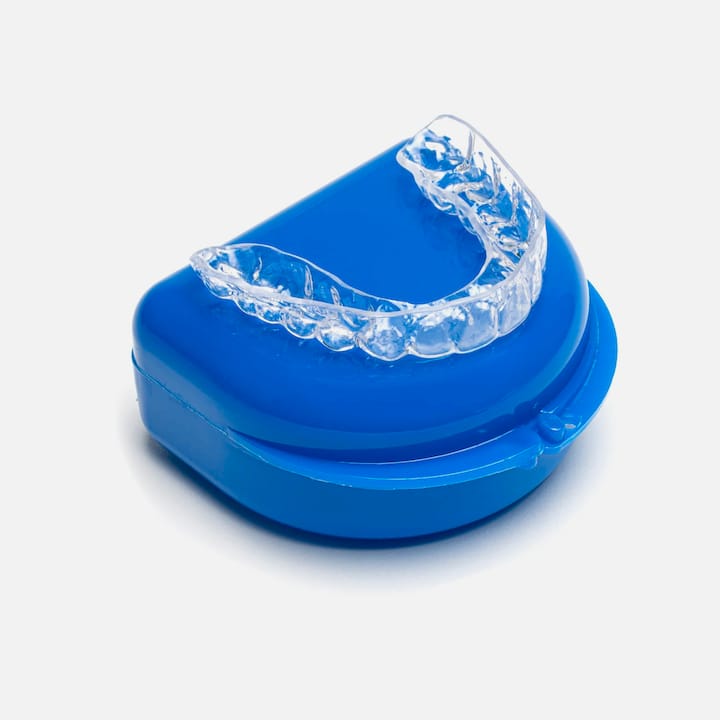
The Hard Night Guard suits kids with mild to moderate grinding who need reliable, cost-effective enamel protection. For heavier grinders, the Premium Hard Night Guard uses a more durable material designed to hold up against stronger nightly force. And when a dentist notes wear on both arches, the Upper and Lower Retainer-Night Guard set covers top and bottom teeth together.
Custom fit matters more than it sounds. An over-the-counter guard from a drugstore is molded in a bathroom sink with boiling water and a rough bite impression; it’s bulky, and kids tend to spit it out mid-sleep. Clearretain guards are built from a detailed self-impression kit you complete at home and mail back, then finished under the supervision of experienced orthodontic technicians using FDA-approved materials, the same standard used for adult custom guards, just sized for a smaller mouth.
Here’s the order that actually works: get your child’s teeth evaluated by their dentist first to confirm a guard is warranted and to rule out anything needing a different fix. Once you have that green light, order a custom guard sized to your child’s mouth, and keep the digital impression on file so a replacement or size adjustment down the road doesn’t mean starting from scratch.
Frequently Asked Questions
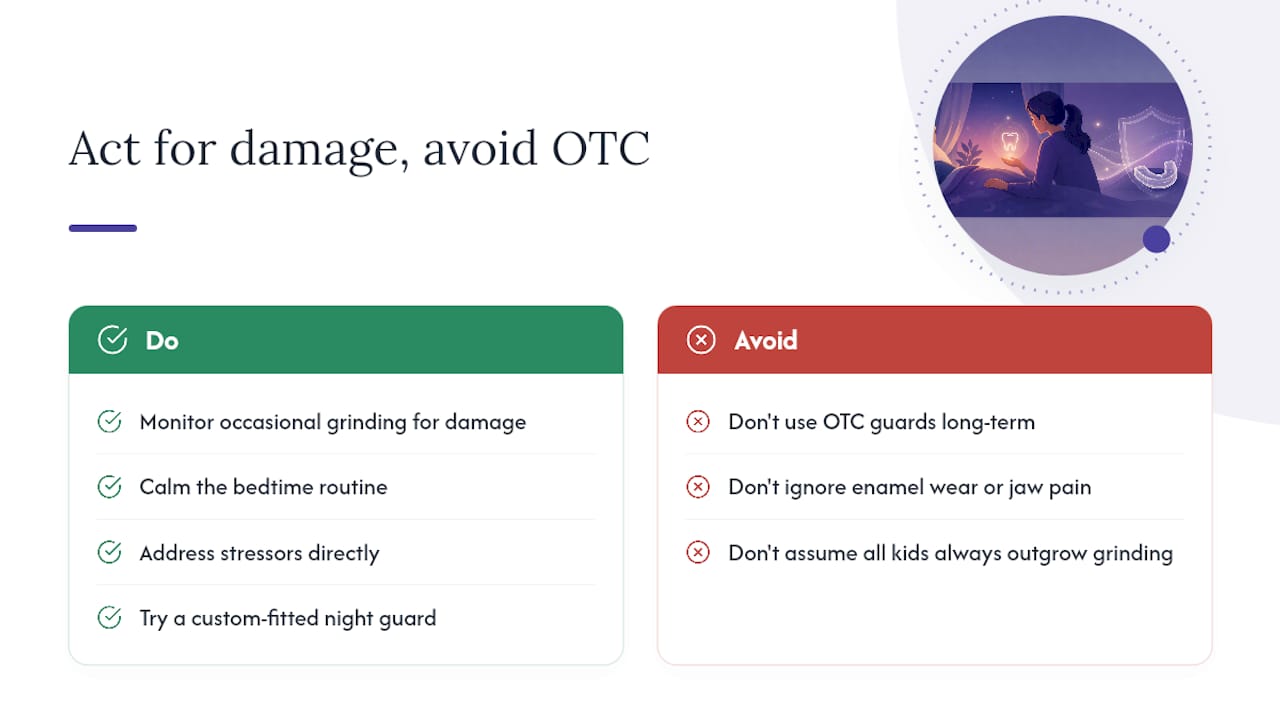
Does my child need a night guard for occasional grinding? Not usually. Dentists reserve night guards for cases with visible enamel wear, jaw pain, or grinding intense enough to risk permanent teeth. Occasional grinding without damage often just needs monitoring.
Can stress alone cause a child to grind their teeth? Yes. Anxiety and major life changes are common triggers, especially for daytime clenching. Calming the bedtime routine and addressing the stressor directly often reduces grinding without any appliance.
Will my child outgrow teeth grinding? Most do. Sleep bruxism tends to peak in early childhood and decline as permanent teeth come in and the jaw finishes developing, though the timeline varies from child to child.
How is bruxism different from normal teething discomfort? Teething causes gum soreness and fussiness tied to a new tooth emerging. Bruxism is the grinding motion itself, which can happen with or without teething and often continues well past that stage.
Is an over-the-counter mouth guard good enough? It can work as a stopgap, but a poor fit means kids often remove it mid-sleep, and bulky material can be uncomfortable. A custom-fitted guard, made from an actual impression of your child’s teeth, tends to stay in place better and gets worn more consistently.
This article is general information, not a substitute for advice from a qualified doctor. Consult a qualified healthcare professional about your own circumstances before acting on anything here.
Sources
- Teeth Grinding in Children | Children’s Hospital of Philadelphia
- Bruxism | 5-Minute Pediatric Consult
- Healthychildren
- Management of bruxism in children | IAPD
- Policy on oral habits | AAPD
- Teeth Grinding in Children | Sleep Foundation