


Are Online Retainers Safe to Order Without Seeing a Dentist?
Yes. Online retainers can be safe when the provider uses medical-grade materials, documents biocompatibility testing, and verifies your impressions before manufacturing anything. Safety here comes down to exactly two variables: what the retainer is made of, and whether it actually fits your mouth. Get both right and a mail-order retainer performs the same job as one made in a dental office.
Get either one wrong, and you have a problem. Watch for these red flags before you buy:
- No specific materials disclosed (just vague words like “safe” or “medical-grade” with nothing to back it up)
- No impression review step, meaning nobody checks your putty mold before production
- No remake or guarantee policy if the fit is off
- No way to reach a real person if something goes wrong months later
Look instead for providers that cite ISO 10993 testing, reference FDA device classification, name their manufacturing lab, and reject bad impressions rather than running with them.
Key Takeaways
Online retainers are safe when providers disclose specific materials, follow ISO 10993 testing standards, and verify impressions before manufacturing, while unsupervised fit problems remain the primary real-world risk.
| Point | Details |
|---|---|
| Materials are generally safe | Thermoplastics and PMMA test as cytocompatible under ISO-aligned protocols; printed resins are more process-sensitive. |
| Fit matters more than polymer | Impression accuracy is the strongest predictor of a safe, correctly seated retainer. |
| ADA flags oversight, not materials | The ADA’s caution around DTC dental services centers on the absence of a dentist checking fit, not the plastic itself. |
| Vet before you buy | Confirm materials disclosure, impression review, and a documented remake or guarantee policy. |
| Clearretain meets the checklist | FDA-approved materials, technician-supervised manufacturing, impression review, and a remake policy back every order. |
Table of Contents
- What Materials Are Used in Retainers, and What Does the Science Say About Safety?
- Why Fit and Dental Oversight Matter More Than Polymer Chemistry
- Practical Vetting Checklist: How to Evaluate an Online Retainer Provider
- How to Take an Accurate At-Home Impression (or Choose a Scan Instead)
- Everyday Safety: Cleaning, Replacement, and Storage
- How Clearretain Addresses Safety: Process and Proof Points
- Potential Risks of Unsupervised Retainer Use
- Online Retainers vs. In-Office Retainers: Which Is Actually Safer?
- Legal Regulations and Consumer Protections for Online Dental Appliances
- Signs Your Retainer May Be Unsafe and When to See a Dentist
- What the Evidence Actually Supports
- Get a Retainer Built Around Verified Impressions
- Sources
What Materials Are Used in Retainers, and What Does the Science Say About Safety?
Most retainers sold today fall into four material categories, and the differences matter more than most buyers realize. PETG (a clear thermoplastic) dominates the Essix-style retainer market because it’s affordable and easy to thermoform. TPU and multilayer polyurethanes show up in sports guards and some clear retainers for their flexibility and shock absorption. PMMA is the rigid acrylic used in traditional Hawley retainers, the kind with the visible wire. Newer entrants are direct-printed resins, manufactured layer by layer instead of molded from a sheet.
The evidence on these materials is more reassuring than most people expect. A 2025 systematic review of clear aligner and retainer materials found that contemporary thermoplastics and PMMA are generally cytocompatible under ISO-aligned testing. Printed resins showed more variability, with cytotoxicity depending heavily on how well the manufacturer washes and post-cures the print. The review rated overall evidence as moderate for cytotoxicity and low for chemical-leaching or endocrine-disruption concerns, which is a meaningfully different statement than “risk-free,” but far from alarming.
A separate literature synthesis on orthodontic retainer materials reached a similar conclusion: Hawley and Essix retainers remain safe in clinical use. Trace leachables and mild in vitro cytotoxicity turn up in some lab studies, but real-world clinical studies report no overt pathology. That same review points to ISO 10993 as the standard readers should ask providers to reference.
Under FDA rules, removable retainers are classified as Class II medical devices, and manufacturers typically demonstrate biocompatibility through ISO 10993 testing for anything that touches your gums or cheeks for extended periods.
Before ordering, check whether a provider will tell you:
- The exact material name (not just “BPA-free plastic”)
- Whether they reference ISO 10993 testing or FDA device status
- Whether test summaries or safety data sheets are available on request
- Whether the material is described only as “safe” with zero supporting detail (a real warning sign)
Why Fit and Dental Oversight Matter More Than Polymer Chemistry
Material safety gets the headlines, but fit is what actually sends people to the dentist with problems. A retainer that’s even slightly too tight can press into gum tissue and cause recession over months of nightly wear. One that’s loose in the wrong spot lets teeth drift, undoing the exact correction the retainer was supposed to hold. Uneven pressure from a warped or misfit appliance can shift roots in ways that are slow to notice and slower to reverse.
This is the core of the American Dental Association’s policy on direct-to-consumer dental services, which strongly discourages appliances made without a licensed dentist involved in diagnosis and monitoring. The ADA’s argument isn’t that materials are dangerous. It’s that skipping clinical oversight removes the person trained to catch a bad fit before it becomes a bad outcome.
Bypassing a licensed dentist in the diagnostic and treatment process can cause irreversible harm if a dental appliance does not fit correctly, the ADA has warned, particularly when patients have no clinical path back if something goes wrong.
There’s a second, less discussed risk: what happens when a DTC provider simply stops operating. The ADA highlighted this directly after SmileDirectClub’s shutdown left patients without anywhere to turn for follow-up care. Guard against this by checking, before you buy:
- Does the company have a documented remake and guarantee policy?
- How long has the provider been operating, and do they publish reviews you can verify?
- Is there a real support line, not just a contact form that goes unanswered?
Practical Vetting Checklist: How to Evaluate an Online Retainer Provider
Run any provider through this sequence before you hand over payment information:
- Materials disclosure. Look for the actual material name, an ISO 10993 reference, and ideally a 510(k) number if the company markets one. Vague reassurances without specifics are a pass.
- Impression verification. A safe provider reviews every impression or scan before production and rejects unusable ones rather than molding a retainer around a bad mold. Ask directly: “What happens if my impression comes out wrong?”
- Remake and guarantee policy. Read the fine print on what triggers a free remake, how long the guarantee lasts, and whether return shipping is covered.
- Company continuity. Check how long the business has operated and whether stored digital impressions let you reorder later without resubmitting a new mold.
- Manufacturing transparency. A provider willing to name its lab and describe its process (who supervises manufacturing, what quality checks happen) is signaling confidence, not hiding something.
- Support and turnaround. Confirm shipping timelines and whether a real person answers questions about fit problems after delivery.
Pro Tip: Call or message a provider’s support line with a specific question before ordering, like “what happens if my putty impression has air bubbles?” A vague or scripted answer tells you more than their marketing copy ever will.
Clearretain’s process maps directly onto this checklist: materials are FDA-approved, manufacturing happens under orthodontic technician supervision, every impression kit includes review before production, and remakes are covered under a documented guarantee. You can see the specific ordering and impression-review steps laid out before you commit to a purchase.
How to Take an Accurate At-Home Impression (or Choose a Scan Instead)
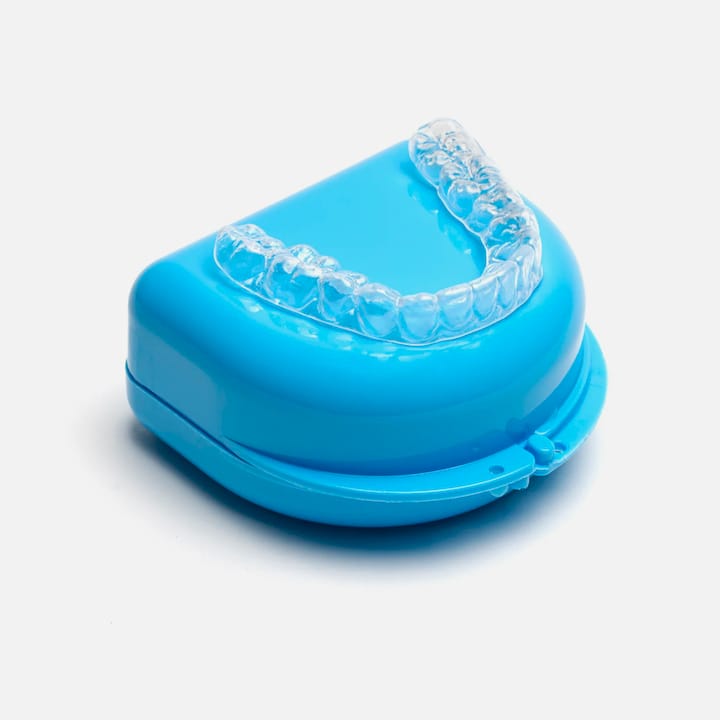
Impression quality is the single strongest predictor of whether a retainer seats correctly, ahead of any material choice, according to the same clinical literature synthesis on retainer safety. Getting it right the first time saves you a remake and a week of waiting.
- Pick the right tray size from the kit, checking that it covers your back molars without pinching your cheeks.
- Mix the putty exactly to the ratio specified, working quickly since most impression materials set within a few minutes.
- Seat the tray with firm, even pressure, pushing from the back teeth forward to avoid trapping air against your gum line.
- Hold still for the full set time listed in the instructions. Pulling the tray early is the most common cause of a distorted mold.
- Inspect the impression under good light before sending it in. Bubbles, tears, or shallow tooth detail mean redo it, don’t ship it.
If you’ve had orthodontic work, missing teeth, or a complex bite, a digital scan through a scan center or dental office often captures more accurate detail than a putty impression can. A trustworthy provider reviews your submission on arrival, sometimes with photo or video confirmation, and rejects and reships kits rather than manufacturing around a flawed mold.
| Situation | What to do |
|---|---|
| Impression has visible bubbles or tears | Request a new kit before it’s shipped for production |
| Retainer arrives and doesn’t seat fully | Stop wearing it and contact the provider for a remake |
| You have complex orthodontic history | Ask about a digital scan option instead of putty |
| Retainer causes pain or gum irritation | Remove it and see a dentist before continuing use |
If you already know your case is straightforward, browsing retainer options by type helps you figure out whether an upper, lower, or partial retainer fits your situation before you start the impression process.
Everyday Safety: Cleaning, Replacement, and Storage
A well-made retainer can still turn into a hygiene problem if you skip basic care. Clean it daily with mild soap and lukewarm water, or an approved soaking tablet designed for clear plastics. Skip hot water entirely. Heat warps PETG and printed resin retainers fast, and a warped retainer no longer fits the way it did on day one, which reintroduces the exact pressure problems described earlier.
Some research on retainer materials suggests presoaking a brand-new vacuum-formed retainer before first wear can lower early leachable exposure, alongside routine cleaning and timely replacement to limit microbial buildup on the plastic surface.
Watch for these replacement signs:
- Visible cloudiness or a rough, pitted surface texture
- A cracked edge or a tray that no longer snaps fully into place
- A persistent odor that survives normal cleaning
- Looser fit than when the retainer was new
Keep a spare case on hand for travel, and never wrap a retainer in a napkin. That’s the single most common way retainers end up thrown away by accident. Detailed cleaning routines and approved products are worth bookmarking, along with a guide to specific cleaning products that won’t degrade the plastic over time.
How Clearretain Addresses Safety: Process and Proof Points
Every checklist item above has a direct answer in how Clearretain operates. Materials are FDA-approved and disclosed rather than described in vague marketing language. Manufacturing happens under the supervision of experienced orthodontic technicians, not an unsupervised factory line. Impression kits ship with detailed instructions, and submissions get reviewed before anything goes into production. A remake policy backs up any impression that comes back distorted.
The strongest signal of a provider’s safety culture isn’t a slogan. It’s whether they require and review impressions, publish a clear remake policy, and name their manufacturing lab without hesitation.
Mapped against the vetting checklist:
- Materials disclosure: FDA-approved materials named specifically, not generically
- Impression verification: kits reviewed before manufacturing begins
- Remake and guarantee: covered policy if a mold or fit fails
- Manufacturing transparency: technician-supervised production, not anonymous overseas outsourcing
Potential Risks of Unsupervised Retainer Use
The risk with online retainers isn’t usually the plastic. It’s what happens when a poor fit goes unmonitored for months. An ill-fitting retainer can shift teeth in the wrong direction, undoing prior orthodontic work rather than preserving it. Pressure points against the gumline can cause localized irritation that, left long enough, contributes to recession.
There’s also a slower, quieter risk: bite changes. A retainer that sits even slightly wrong can gradually alter how your upper and lower teeth meet, leading to jaw discomfort that people often blame on stress or teeth grinding rather than the appliance causing it. Nobody catches this early because there’s no scheduled checkup built into the DTC model the way there is with in-office orthodontic care.
The fix isn’t avoiding online retainers. It’s treating any pain, pressure, or visible shifting as a signal to stop wearing the appliance immediately rather than pushing through discomfort hoping it resolves. A retainer should feel snug on insertion and comfortable within a day or two, not persistently sore.
Online Retainers vs. In-Office Retainers: Which Is Actually Safer?
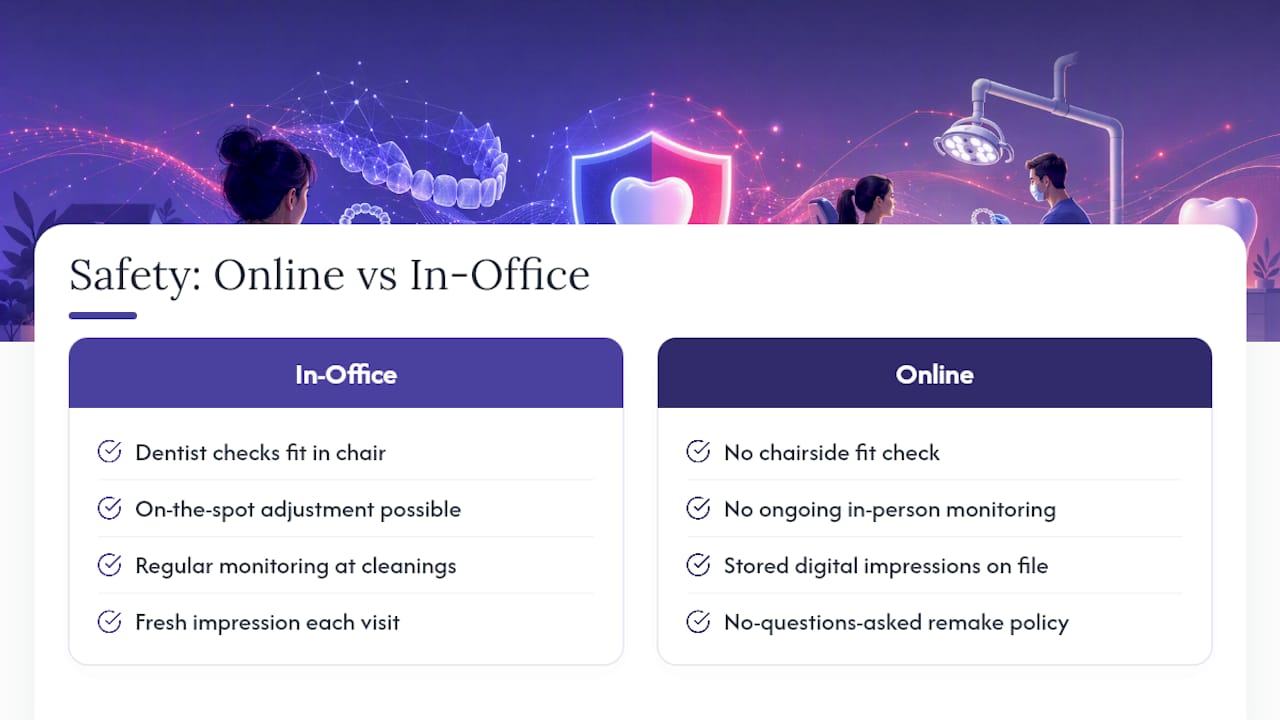
Neither format is inherently safer once you control for the two variables that actually drive outcomes: material quality and impression accuracy. An in-office retainer benefits from a dentist checking fit in the chair, adjusting on the spot if something’s off. An online retainer skips that in-person check but can match it with a rigorous impression-review process and a no-questions-asked remake policy.
Where in-office retainers have a real edge is ongoing monitoring, as explained in the comprehensive Clear Aligners vs Braces: A Patient’s Guide to Your Smile. Your dentist sees you at regular cleanings and can catch subtle bite shifts or wear patterns before they become painful. Online providers can’t replicate that cadence, which is exactly why the ADA’s caution about DTC dental services centers on oversight rather than materials.
Where online retainers have a real edge is stored digital impressions. Once your mold is on file, reordering a replacement skips the error-prone step of taking a fresh impression, producing a remake that fits as reliably as the original. Cost is the other obvious difference: online retainers typically run a fraction of in-office pricing, making backup retainers and timely replacements financially realistic instead of a luxury.
Legal Regulations and Consumer Protections for Online Dental Appliances
Removable retainers sold in the United States fall under FDA Class II medical device regulation, which means manufacturers are expected to demonstrate biocompatibility and safety, typically through ISO 10993 testing protocols, before marketing a product for use in the mouth.
That regulatory framework governs the device itself. It doesn’t require a dentist’s involvement in every online transaction, which is precisely the gap the ADA has flagged in its policy on direct-to-consumer services. Consumer protection in this space is a patchwork: device-level FDA oversight on one side, and a genuine absence of clinical-oversight requirements on the other.
Practical protection falls to you as the buyer. A documented remake policy functions as a private guarantee when regulation doesn’t provide one. If you ever experience an adverse reaction to a dental appliance, material irritation, unusual pain, or a device that fails structurally, the FDA’s MedWatch reporting system exists for exactly that purpose, and a dentist can also help you navigate next steps if a provider is unresponsive or has closed.
Signs Your Retainer May Be Unsafe and When to See a Dentist
Trust discomfort over convenience. A retainer that hurts on insertion every single time, not just the first night, is telling you something is wrong with the fit. Persistent gum soreness in one specific spot, rather than general tightness across all your teeth, usually points to a pressure point that needs adjustment or a remake.
Other signs worth acting on immediately:
- Visible cracks, chips, or a cloudy, degraded surface
- A retainer that no longer snaps fully into place
- Teeth that feel like they’re shifting despite consistent wear
- Jaw soreness or clicking that started after you began wearing the retainer
- Any sores, blisters, or ulcers on the gum or cheek where the retainer sits
If any of these show up, stop wearing the retainer and contact your provider about a remake. If pain, shifting, or gum damage persists after you stop wearing it, see a dentist. The ADA’s own guidance is direct on this point: when in doubt, a licensed dentist should be the first call, especially for anything involving pain or visible tissue damage. Comparing your fit against a simple at-home fit check can also help you tell the difference between normal newness and an actual problem.
What the Evidence Actually Supports
The conventional advice on this topic tends to split into two unhelpful camps: reflexive distrust of anything ordered online, or blind faith in whatever a company’s landing page claims about “medical-grade” plastic. Neither holds up against the actual research. Materials science on retainers is reassuring, not alarming. Fit and follow-through are where things go wrong.
What gets underrated is how much of the risk is operational rather than chemical. A provider that rejects a bad impression instead of molding around it is doing more for your safety than any material certification alone can. That’s a process question, not a materials question, and it’s the one most buyers never think to ask about before checkout.
Prioritize this: ask exactly what happens if your impression comes out flawed, and read the remake policy before you read the marketing copy. Everything else, cleaning routines, storage habits, replacement timing, matters, but it’s downstream of getting the fit right in the first place. Get that foundation solid, and an online retainer holds up just as well as one made across a dentist’s desk.
— Clear
Get a Retainer Built Around Verified Impressions
Clearretain exists for exactly the scenario this article just walked through: a retainer made from disclosed, FDA-approved materials, manufactured under orthodontic technician supervision, with your impression reviewed before production instead of assumed correct.
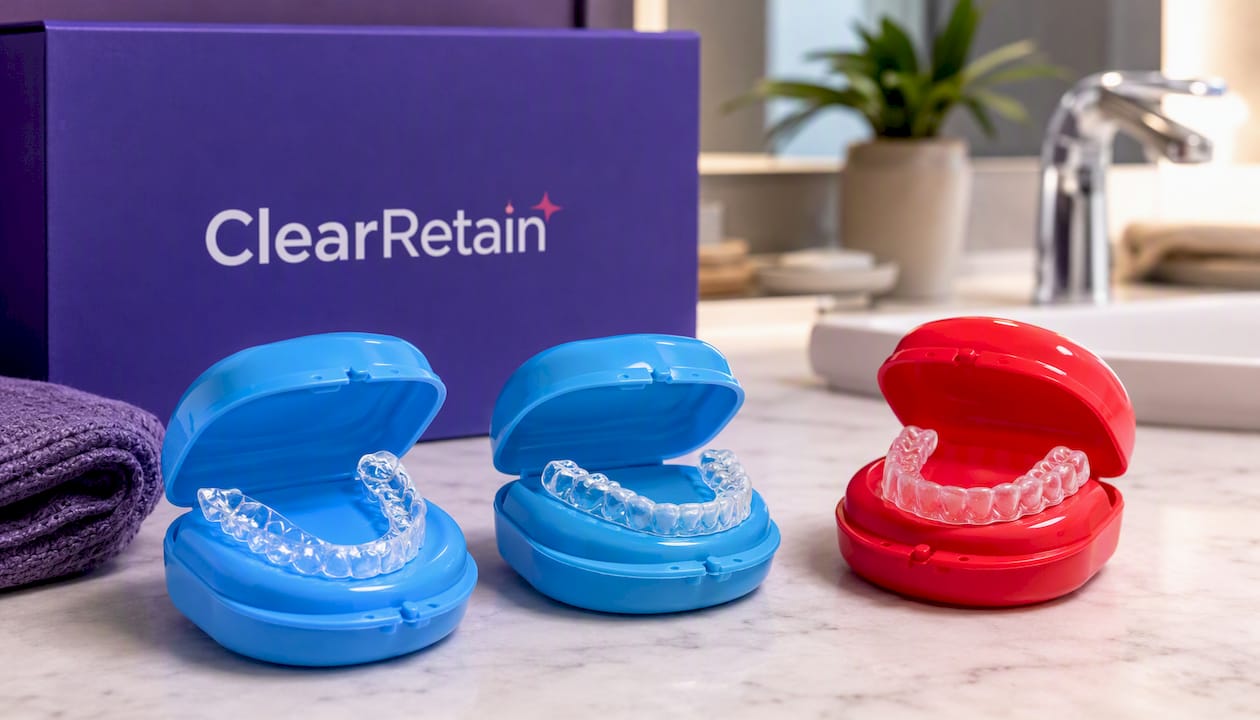
If you need a full replacement, order a custom upper retainer or lower retainer built from your own impression kit, with a remake covered if the fit isn’t right. Grinding your teeth at night alongside retainer wear? The upper retainer and night guard combination covers both needs in a single appliance. Missing a single tooth and need a partial solution? The partial denture retainer is built for that exact case. Once your impression is on file, reordering later skips the guesswork of a fresh mold entirely. Start with an impression kit order today and get a retainer that fits the way this article says one should.
This article is general information, not a substitute for advice from a qualified doctor. Consult a qualified healthcare professional about your own circumstances before acting on anything here.
Sources
- Direct to Consumer Dental Services | American Dental Association
- Systematic review: biocompatibility of clear aligners and thermoplastic retainers (2025)
- PMC literature synthesis on orthodontic retainer materials