

Removable Retainers: Best Options for Every Need
Removable retainers are dental appliances you take out and reinsert to keep your teeth in position after braces or clear aligner treatment. The two main types are Hawley retainers, made from a metal wire and acrylic base, and clear Essix retainers, made from transparent plastic trays. Brands like Invisalign offer premium versions such as Vivera, while direct-to-consumer services have made quality retainers far more accessible. Long-term stability depends heavily on patient compliance, meaning retainer wear is not optional after treatment ends. Orthodontists treat retention as a lifelong commitment, not a temporary phase.
1. what are the main types of removable retainers?
Hawley retainers feature a metal wire bonded to an acrylic base that sits against the roof of your mouth or along the inside of your lower teeth. They are durable, adjustable, and can handle minor tooth movement if needed. The tradeoff is visibility. The wire runs across the front of your teeth, which many adults find unappealing.
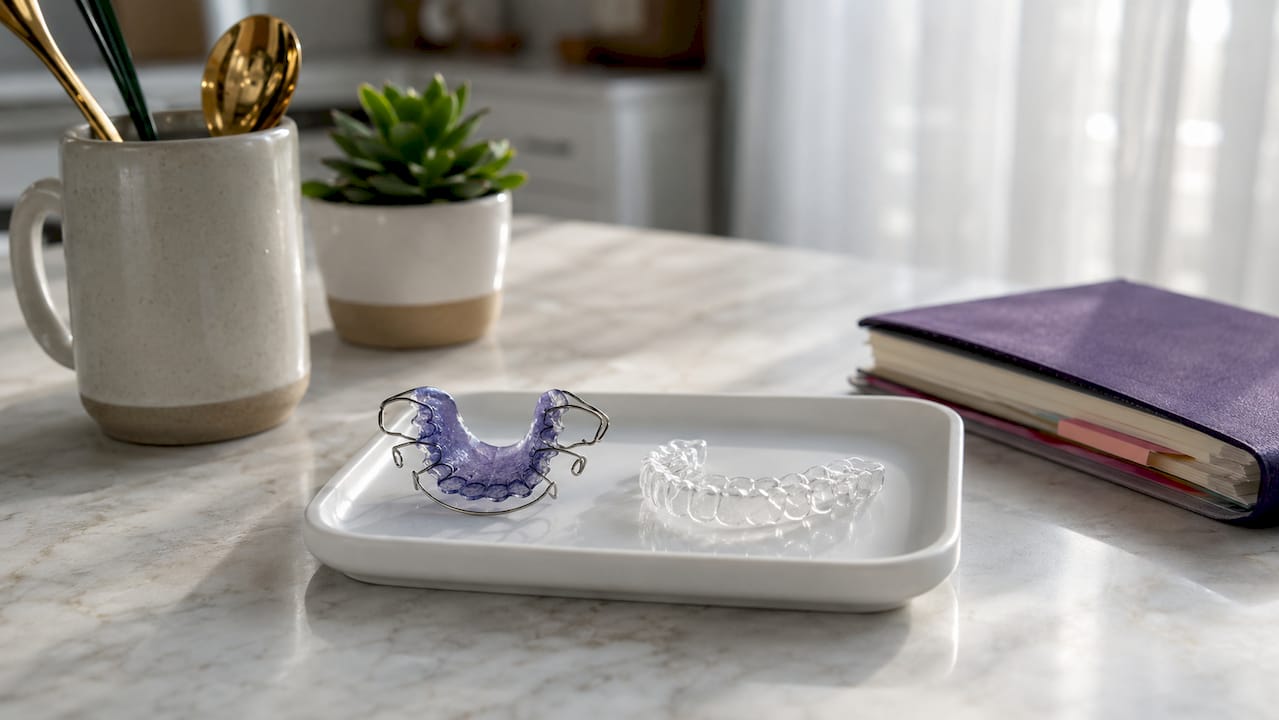
Clear Essix retainers are transparent plastic trays that fit snugly over your teeth. They are nearly invisible and comfortable to wear, which is why most patients prefer them after Invisalign or traditional braces. The downside is durability. Clear retainers are preferred for aesthetics and comfort, but they scratch more easily and wear out faster than Hawley versions.
Quick comparison at a glance:
- Hawley retainer: Durable, adjustable, visible wire, lasts 10+ years with care
- Essix (clear) retainer: Nearly invisible, comfortable, less durable, lasts 1–5 years
- Vivera by Invisalign: Premium clear option, thicker plastic, sold in sets of four
- Bonded (fixed) retainer: Not removable, cemented behind teeth, no compliance required
2. how long do removable retainers last?
Removable retainers typically last 2–5 years with daily care, though the type you choose makes a significant difference. That range matters because replacing a retainer too late means your teeth may have already shifted.
| Retainer Type | Average Lifespan | Key Factor |
|---|---|---|
| Hawley (wire and acrylic) | 10+ years | Durability, adjustability |
| Essix (clear plastic) | 1–3 years typical | Scratching, warping |
| Essix with careful maintenance | Up to 5 years | Proper cleaning and storage |
| Vivera by Invisalign | 2–4 years per set | Thicker material, sold in sets |
Several factors cut a retainer’s life short before its time:
- Teeth grinding (bruxism): Wears through clear plastic trays within months
- Hot water exposure: Warps plastic retainers permanently
- Toothpaste cleaning: Creates micro-scratches that trap bacteria
- Improper storage: Leaving retainers in a napkin or pocket leads to breakage or loss
Pro Tip: Replace your clear retainer the moment you notice it feels loose, discolored, or cracked. A poor fit means your teeth are already moving.
3. what do removable retainers cost and how do you replace them?
Retainer costs range from $150 to $500 per retainer depending on the type and provider. Clear Essix retainers sit at the lower end of that range, while Hawley retainers and premium options like Vivera cost more upfront. The good news is that replacement retainers do not require a full orthodontic redo.
Mail-in impression kits make replacement retainers accessible and affordable, cutting out the overhead of in-office visits entirely. You take your own impressions at home, mail them in, and receive custom retainers within a few weeks. Replacement turnaround ranges from 2–3 weeks for mail-in kits, while in-clinic 3D scans can reduce that wait significantly.
How to get a replacement retainer without an orthodontist appointment:
- Order a self-impression kit from a direct-to-consumer provider like Clearretain
- Follow the included instructions to take your dental impressions at home
- Mail the impressions back using the prepaid packaging
- Receive your custom retainers within 2–3 weeks
- Confirm the fit and contact support if adjustments are needed
Direct-to-consumer services save up to 80% compared to standard orthodontic office prices. That is not a small difference when you consider that clear retainers need replacement every 1–3 years.
4. how to care for your retainer the right way
Proper care extends your retainer’s life and protects your oral health. The single most common mistake people make is cleaning their retainer with toothpaste. Toothpaste abrasives cause micro-scratches on clear retainers that trap bacteria, leading to odor and hygiene problems over time.
Follow this daily routine instead:
- Rinse immediately after removing your retainer with cool or lukewarm water
- Brush gently with a soft-bristled toothbrush and mild dish soap or hand soap
- Soak weekly in a retainer-cleaning solution like Retainer Brite or diluted white vinegar for 15–20 minutes
- Store in a case every single time you remove it, not in a napkin, pocket, or on a plate
- Avoid heat including dishwashers, hot car interiors, and boiling water
If you grind your teeth at night, a standard clear retainer will not hold up. Ask your provider about a thicker retainer or a dedicated night guard to protect both your teeth and your appliance.
Pro Tip: Label your retainer case with your name and phone number. Retainers are one of the most commonly lost dental appliances, and a simple label has reunited many people with theirs.
One more rule worth repeating: retainers maintain alignment but do not move teeth. Using a retainer to try to fix shifting teeth can damage your bite and roots. If your retainer no longer fits, see a professional before ordering a replacement.
5. can retainers close small gaps or fix shifting?
Retainers cannot close gaps or move teeth. This is one of the most persistent misconceptions in orthodontic aftercare. A retainer holds your teeth where they are. It does not apply the sustained, calibrated force that braces or aligners use to reposition teeth.
Forcing a retainer onto shifted teeth after relapse can harm your roots and gums. If you have noticed movement, the correct step is a professional evaluation before any new retainer is ordered. Minor shifting caught early may be manageable with a new retainer. Significant movement requires orthodontic reassessment.
People sometimes ask whether they can get a retainer instead of braces for mild crowding. The honest answer is no. Retainers are retention devices, not correction devices. If you have teeth that need repositioning, aligners or braces are the appropriate treatment.
6. best removable retainers for kids, teens, and adults
The right retainer depends on the wearer’s age, compliance habits, and lifestyle. Children under 10 rarely do well with removable retainers because compliance is difficult to enforce. Bonded retainers cemented behind the teeth are often the better choice for younger kids.
| User Type | Best Retainer Option | Key Consideration |
|---|---|---|
| Children (under 10) | Bonded (fixed) retainer | Compliance is unreliable |
| Growing teens | Hawley or clear Essix | Wear schedule supervision needed |
| Adults (aesthetics priority) | Clear Essix or Vivera | Discreet, comfortable daily wear |
| Teeth grinders | Thicker clear or Hawley | Standard trays wear out fast |
| Post-Invisalign patients | Clear Essix or Vivera | Matches aligner feel and fit |
For teens, the best removable retainers for growing teens are clear Essix types worn full-time for the first 6–12 months, then nightly. Compliance is the biggest challenge in this age group. Parents should build retainer wear into the nightly routine the same way brushing is non-negotiable.
Adults overwhelmingly prefer clear retainers for their discreet appearance. Clear retainers are preferred post-Invisalign treatment because they match the feel of the aligners patients already wore. Hawley retainers remain a strong choice for anyone who grinds their teeth or needs a longer-lasting option without frequent replacements.
7. how long should you wear a retainer each day?
Retainer wear schedules follow a predictable pattern after orthodontic treatment ends. For the first 6–12 months, most orthodontists recommend full-time wear, meaning 20–22 hours per day. After that, nightly wear is typically sufficient to maintain alignment.
Retention is a lifelong process, and orthodontists stress that skipping nights consistently leads to gradual relapse. Teeth have a natural tendency to drift back toward their original positions. The longer you have had your retainer, the more established your results, but the risk never fully disappears.
The most common reason retainers shift teeth or fail to prevent shifting is inconsistent wear. Missing a few nights occasionally is not catastrophic. Stopping for weeks or months is. If you have been off your retainer for an extended period, do not force it back in. Have your teeth evaluated first.
Key takeaways
Removable retainers are a lifelong commitment after orthodontic treatment, and choosing the right type based on durability, aesthetics, and compliance habits determines how well your results hold.
| Point | Details |
|---|---|
| Two main types | Hawley retainers last 10+ years; clear Essix retainers last 1–5 years with care. |
| Retainers do not move teeth | Using a retainer to fix shifting can damage roots; see a professional first. |
| Cleaning matters | Never use toothpaste on clear retainers; use mild soap or a retainer-cleaning solution. |
| Compliance is non-negotiable | Full-time wear for 6–12 months post-treatment, then nightly for life. |
| Affordable replacement exists | Mail-in impression kits from providers like Clearretain cut costs by up to 80%. |
What i have learned about retainer compliance after years in this space
Most people treat their retainer like a temporary inconvenience. They wear it religiously for the first few months, then start skipping nights, then stop entirely. Six months later, they notice their teeth have shifted and wonder what went wrong. This pattern is the single biggest reason orthodontic results do not last.
The uncomfortable truth is that no retainer works if you do not wear it. The best material, the most precise fit, and the most expensive brand all become irrelevant the moment the retainer sits in its case every night. I have seen people invest thousands in orthodontic treatment and lose their results within a year because they underestimated this one variable.
My honest recommendation: choose the retainer you will actually wear. For most adults, that means a clear Essix type because it is discreet enough to wear without self-consciousness. For teens, it means building the habit before it becomes optional. For anyone who grinds their teeth, it means a thicker appliance or a Hawley, because a standard tray will not survive the night.
The other thing I want people to understand is that affordable does not mean inferior. Direct-to-consumer retainers made from FDA-approved materials under professional supervision are not a compromise. They are a smarter way to maintain your results without paying clinic markups on something you will replace every few years anyway.
— Clear
Protect your smile without the clinic markup
Clearretain makes it straightforward to get high-quality custom retainers without an office visit. The process starts with a self-impression kit you complete at home, and your retainers are fabricated from FDA-approved materials under the supervision of experienced orthodontic technicians.
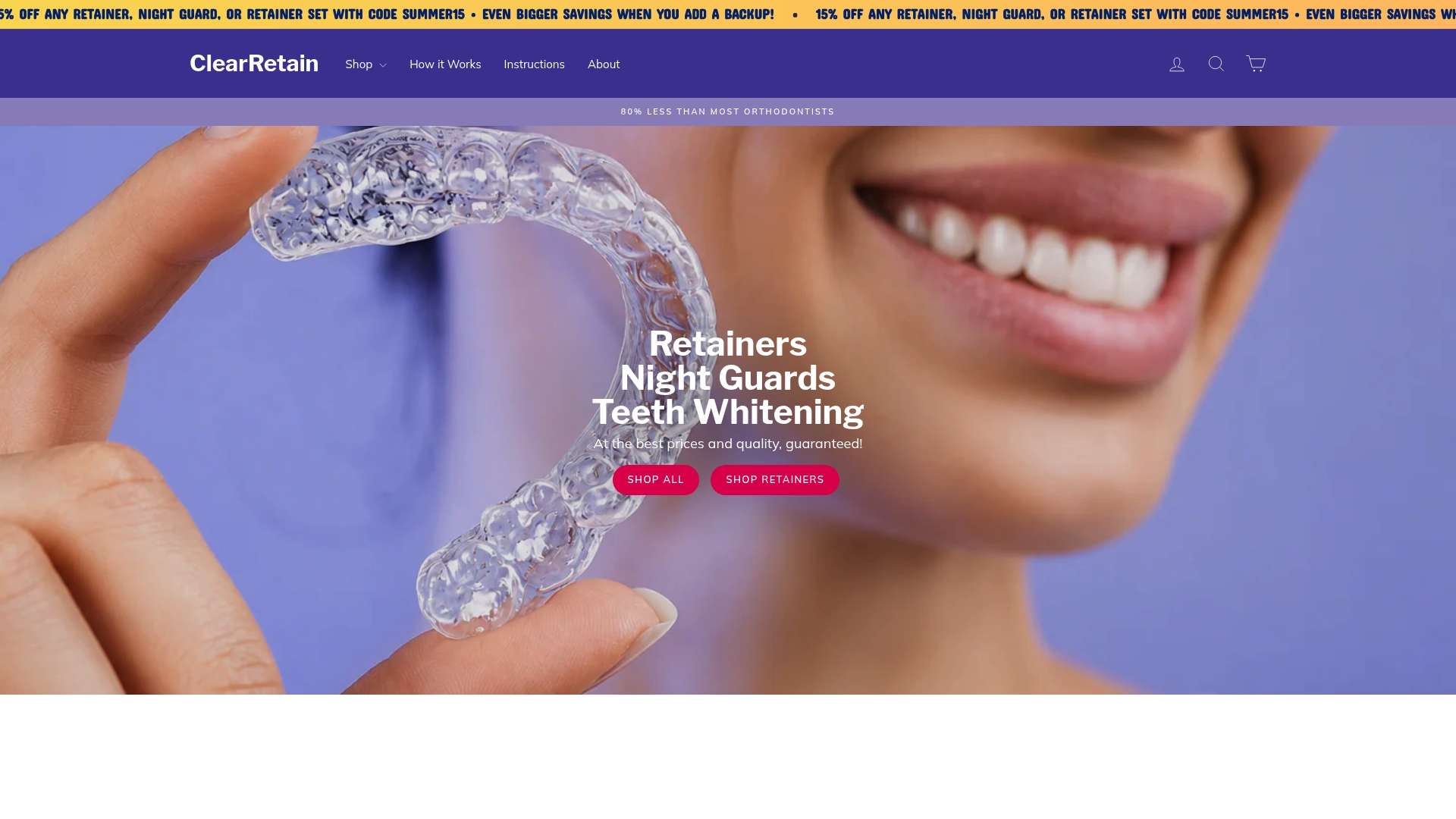
Whether you need a custom upper retainer or a complete upper and lower set, Clearretain delivers at a fraction of traditional orthodontic prices. Customers report savings of up to 80% compared to standard clinic rates. Explore the full retainer collection and find the right option for your needs, your budget, and your lifestyle.
FAQ
What is the difference between hawley and essix retainers?
Hawley retainers use a metal wire and acrylic base, offering durability and minor adjustability. Essix retainers are clear plastic trays that are nearly invisible but wear out faster.
Can i order a retainer without an orthodontist appointment?
Yes. Direct-to-consumer providers like Clearretain offer mail-in impression kits that let you get a custom retainer from home, with turnaround times of 2–3 weeks.
How long should i wear my retainer each day?
Wear your retainer full-time (20–22 hours per day) for the first 6–12 months after treatment, then switch to nightly wear for long-term maintenance.
Can a retainer close small gaps in my teeth?
No. Retainers hold teeth in place but do not move them. Closing gaps requires orthodontic treatment such as braces or clear aligners.
How do i know when to replace my retainer?
Replace your retainer when it feels loose, shows visible cracks, has permanent discoloration, or no longer fits comfortably. Clear retainers typically need replacement every 1–3 years.