

Stop Wasting Whitening Gel: The 30 Day Rule for At Home Kits
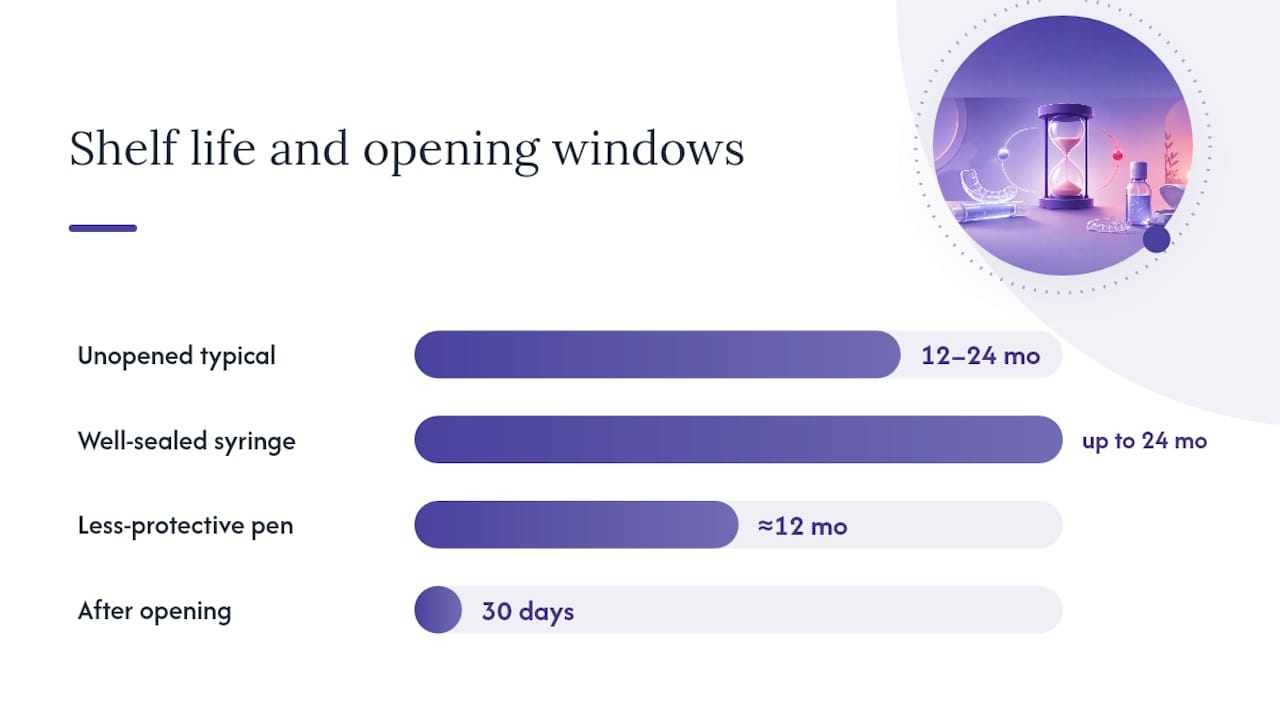
Yes, whitening gel expires. Unopened kits typically hold full strength for about 12 to 24 months, but that clock speeds up dramatically once the seal is broken. Check the printed date and note when you first opened it, then inspect the gel itself for separation, odd color, or a strange smell. If it’s several months past the opened-use window or shows any of those signs, throw it out rather than risk a weaker result or irritated gums.
TL;DR:
- Whitening gels with higher peroxide concentrations degrade faster once opened, especially if exposed to heat, light, oxygen, or humidity.
- Storage in a cool, dark place and keeping the product sealed until use can significantly extend its shelf life and effectiveness.
- Most gels are best used within 30 days after opening, even if the printed expiration date is up to 24 months from manufacture.
- Signs of spoiled gel include separation, discoloration, clumping, unusual odor, or dried edges, and the product should be discarded immediately.
- Using expired or spoiled whitening gel mainly results in weak or no whitening, increased tooth sensitivity, and occasional gum irritation.
Table of Contents
- Whitening Gel Expiration and Why Formulation Changes the Timeline
- The Chemistry Behind Whitening Gel Shelf Life
- Reading the Label: Dates, Codes, and Storage Symbols
- Storage Habits That Actually Extend Whitening Gel Longevity
- What Actually Happens When You Use Expired Whitening Gel
- How to Tell If Your Whitening Gel Has Gone Bad
- What to Do If You’ve Already Used Expired Gel
- Why Fresh, Properly Labeled Supplies Matter More Than You Think
- When Should You Replace Whitening Supplies, Not Just Test Them?
- Replace Expired Whitening Supplies Without an Office Visit
- Sources
- FAQ
Whitening Gel Expiration and Why Formulation Changes the Timeline
Not all whitening gel is built the same, and that difference decides how fast it degrades. Most kits use one of two active ingredients: hydrogen peroxide, which acts quickly but breaks down faster once exposed to air, or carbamide peroxide, a more stable compound that slowly converts into hydrogen peroxide as it sits in your mouth or in storage. A smaller category of newer products relies on non-peroxide whiteners like PAP (phthalimidoperoxycaproic acid), which tends to hold up better at room temperature, though solid, independently sourced shelf-life comparisons for these formulas are still thin.
Format matters just as much as chemistry. A sealed syringe keeps most of its gel away from air until you actually dispense it, which helps it last. Whitening pens and pre-loaded strips are a different story. Every twist of a pen or peel of a strip exposes a little more of the active ingredient to oxygen and moisture, and that exposure adds up.
- Hydrogen peroxide gels: fast-acting, faster to lose potency once opened.
- Carbamide peroxide gels: slower release, generally more forgiving in storage.
- Non-peroxide (PAP-style) formulas: more stable at room temperature, still worth checking the label.
- Syringes: best-sealed format, longest usable window after opening.
- Pens and strips: repeated air exposure with each use shortens their effective life.
Higher-concentration gels, the kind found in professional-strength bleaching trays, generally need more careful handling than mild take-home strips because there’s more active peroxide available to break down.
The Chemistry Behind Whitening Gel Shelf Life
Whitening works because peroxide releases oxygen molecules that break apart stain compounds on enamel. That reaction is exactly what makes the gel unstable over time. Peroxide doesn’t sit inertly on a shelf; it slowly decomposes into water and oxygen even in a sealed container, and every bit that decomposes before you use it is gel that can no longer do its job.
Four things speed this up: heat, light, oxygen exposure, and humidity. A tube left in a hot car or a sunlit bathroom window degrades far faster than one stored in a cool, dark drawer. Humidity is a sneaky one, too. Bathrooms are humid by nature, and that moisture in the air interacts with the packaging and the product itself over months of storage.
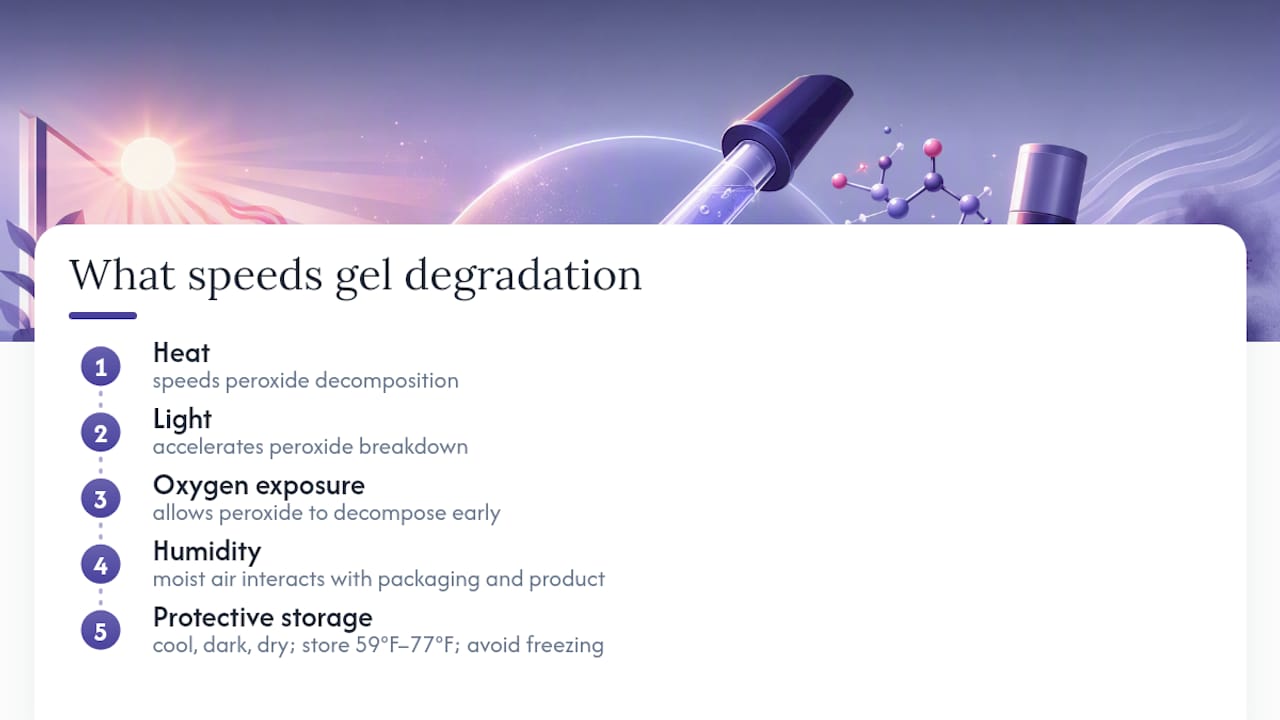
The core tradeoff: the same peroxide concentration that whitens teeth effectively is also the thing decomposing the moment the seal breaks. Manufacturer guidance from Philips Sonicare recommends storing gels and trays between 59°F and 77°F, and specifically warns against refrigerating or freezing some formulations, since extreme cold can destabilize the gel matrix just as badly as heat does.
Product labeling registered with regulators, including DailyMed’s listing for a hydrogen peroxide whitening gel, documents exactly this kind of concentration and packaging detail, which is why following the printed instructions matters more than guessing based on how the product looks.
Reading the Label: Dates, Codes, and Storage Symbols
Manufacturers generally set an unopened shelf life of 12 to 24 months from the date of manufacture, and that range varies by formulation and packaging quality rather than being arbitrary. A carbamide peroxide gel in a well-sealed syringe might sit at the higher end. A thinner, higher-peroxide gel in a less protective pen tends toward the lower end.
Look for a date printed as “EXP” followed by a month and year (MM/YY), sometimes paired with a lot code that traces the batch back to its manufacturing run. Some packaging also carries a small open-jar icon with a number and the letter “M” inside, such as “12M.” That’s the period-after-opening symbol, and it tells you how many months the product is good for once you break the seal, regardless of the printed expiration date. If your gel has been open for longer than that number, the printed expiration date on the box is no longer the relevant one.
Philips notes that once a syringe is opened, the gel should generally be used within about 30 days, which is a useful benchmark even for products from other manufacturers that don’t list their own window as clearly.
Storage Habits That Actually Extend Whitening Gel Longevity
Where you keep your whitening kit matters almost as much as when you bought it, making product choice important when considering storage and shelf-life, such as the Cepillo Dental Braun Oral-B Vitality Pro Azul. A cool, dark, dry spot beats a bathroom cabinet every time, mostly because bathrooms trap the exact combination of heat and humidity that accelerates peroxide breakdown.
- Store gel in an interior cabinet or drawer, away from direct light and away from the shower or sink.
- Keep the product in its original packaging until the moment you use it. Boxes are designed to block light exposure.
- If your manufacturer’s instructions allow refrigeration, keep it in the 35°F to 46°F range. Never put it in the freezer. Freezing can separate the gel and ruin its consistency permanently.
- After each use, wipe the syringe or pen tip clean before recapping it tightly. Leftover gel on the tip attracts bacteria and speeds up spoilage.
- Write the date you opened the product directly on the packaging with a marker.
- Let bleaching trays fully air-dry before storing them, since trapped moisture from saliva encourages microbial growth that shortens both the tray’s life and the gel’s.
Pro Tip: Keep a small sticky note inside your bathroom drawer with the exact date you opened each product. It takes ten seconds and saves you from guessing later whether that half-used syringe is still safe.
Some manufacturer pages specifically call out drying trays before storage as a separate step from storing the gel itself, since residue left on tray surfaces can degrade independently of the sealed product.
What Actually Happens When You Use Expired Whitening Gel
The most likely outcome isn’t dangerous, just disappointing. Peroxide that’s broken down has less active oxygen available, so the gel simply doesn’t whiten as well, or at all. That often tempts people to leave it on longer or reapply more frequently to compensate, which raises the odds of sensitivity without necessarily raising the odds of a better result.
The less common but real risk involves the degraded byproducts themselves. As peroxide breaks down unevenly, the leftover mixture can become unpredictable, and applying it to gum tissue or exposed dentin raises the chance of irritation or an allergic-type reaction that a fresh, properly balanced gel wouldn’t cause.
- Weaker or no visible whitening effect, especially on gel more than a few months past its opened-use window.
- Increased tooth sensitivity from repeated or prolonged application trying to compensate for weak results.
- Gum irritation or redness from degraded or unevenly concentrated gel.
- Rare but possible allergic-type local reactions to breakdown compounds.
CDHP’s consumer guidance notes that expired peroxide is generally not toxic in small amounts, but it’s also not reliable, and using it well past its window is a bet against your own comfort for a result that likely won’t show up anyway. If your gel is more than a couple of months past the printed opened-use date, or shows any sign of spoilage, the smarter move is replacing it rather than testing your luck.
How to Tell If Your Whitening Gel Has Gone Bad
Before you squeeze another dose onto a tray or strip, give it a quick look. Fresh gel is uniform in color and texture; spoiled gel usually isn’t.
- Check for phase separation. If the gel looks like it’s split into a thinner liquid layer and a thicker one, that’s decomposition in progress.
- Look at the color. Discoloration, yellowing, or a cloudy appearance is a red flag compared to the clear or lightly tinted gel you started with.
- Check for clumps or a grainy texture. Fresh gel should flow smoothly; spoiled gel often doesn’t.
- Inspect strips for dried or curled edges, which signal the adhesive gel layer has lost moisture and effectiveness.
- Smell it. A sharp, off, or chemical odor beyond the normal mild peroxide scent means it’s time to discard it.
- If everything looks and smells normal but you’re still unsure, do a limited spot test: apply a small amount to a single rear tooth for half the usual contact time, then watch for 24 to 48 hours before doing a full application.
- Skip the spot test entirely and discard the product if it’s visibly separated, discolored, or more than a couple of months past its opened-use window. At that point, testing isn’t worth the risk.
What to Do If You’ve Already Used Expired Gel
Mild, short-lived sensitivity or slightly red gums after using older gel isn’t unusual, and it’s typically self-limiting. Rinse your mouth with water, stop using that product, and switch to a desensitizing toothpaste for a few days if your teeth feel tender. Avoid reapplying anything until you’ve confirmed the product is actually safe.
Watch closely for anything beyond mild discomfort:
- Severe or worsening swelling in the mouth, lips, or throat.
- Pain that persists well beyond the usual short window of post-whitening sensitivity.
- A rash, hives, or any sign of an allergic reaction.
- Difficulty breathing or swallowing.
Any of those warrants contacting your dentist immediately, and severe symptoms like breathing trouble justify emergency care or a call to poison control. Hang onto the product packaging with its lot number and expiration date. It helps your dentist or a poison control specialist understand exactly what you were exposed to, and the ADA recommends looping in a dental professional any time an adverse reaction shows up after a whitening product.
Why Fresh, Properly Labeled Supplies Matter More Than You Think
Clearretain builds its whitening products around the same principle dentists follow: peroxide gel is only as good as its condition on the day you use it. Every kit ships with FDA-approved materials made under the supervision of experienced orthodontic technicians, so what you’re applying matches what the label promises, not a guess about how much potency has already leaked out of an old tube.
If you’re clearing out a whitening kit that’s past its opened-use window, replacing individual pieces rather than the whole system usually makes more sense:
- The Teeth Whitening Gel - 3 Pack replaces degraded syringes with fresh, clearly dated gel.
- Bleaching trays give you a clean-fitting tray if yours has residue buildup or a warped fit from age.
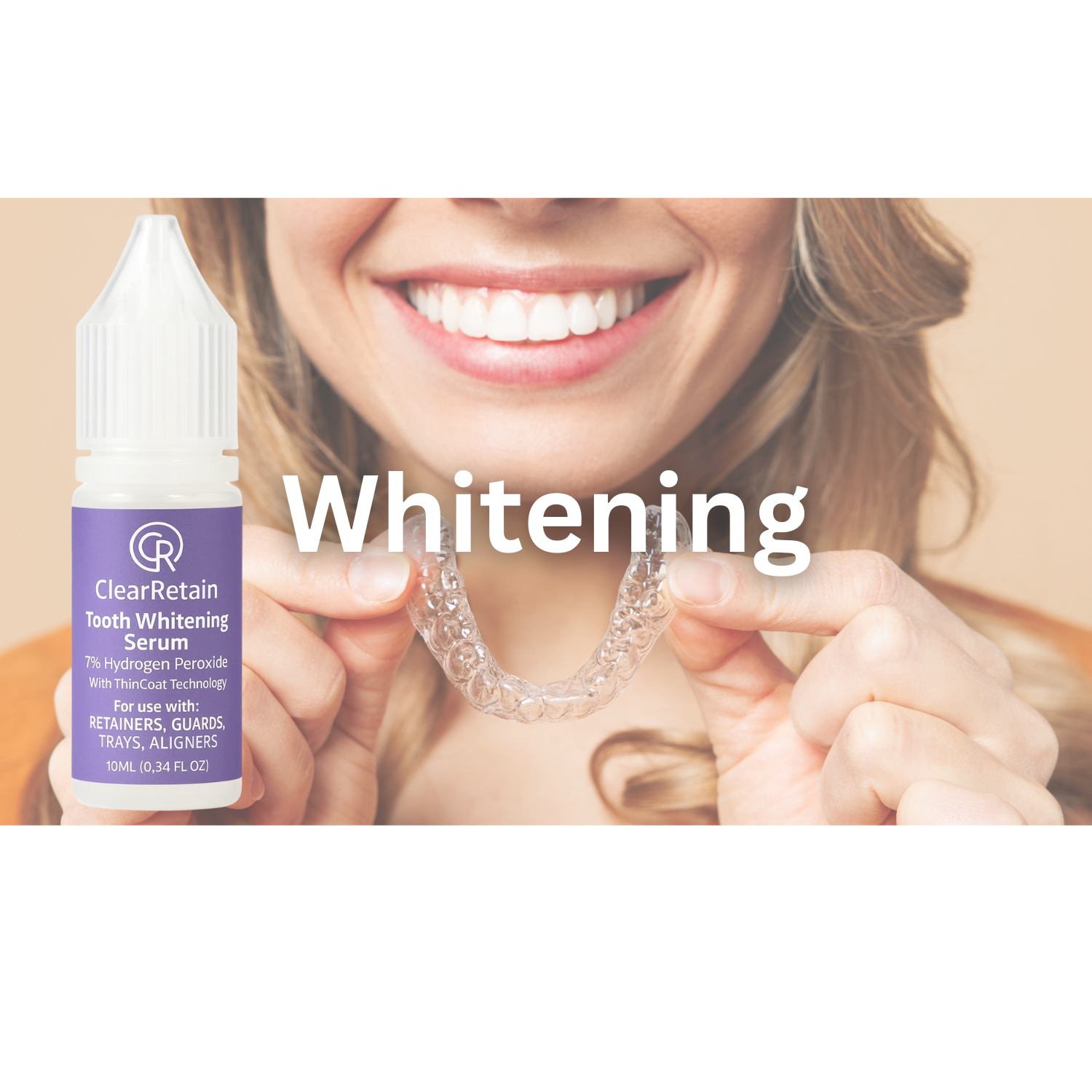
- The tooth whitening serum works alongside a clear retainer or night guard you already own, which is useful if your appliance is fine but your gel isn’t.
Checking your current product’s label against the storage guidance in this article is the first step. If it fails that check, swapping in fresh, properly labeled supplies costs far less than a professional touch-up appointment.
When Should You Replace Whitening Supplies, Not Just Test Them?
Most guidance on this topic treats expiration dates as the whole story, and that’s the part conventional advice gets backwards. The date on the box tells you when an unopened product stops being reliable. It says almost nothing about a syringe you opened four months ago and have been recapping loosely ever since. The opened-use window, not the printed expiration date, is the number that actually predicts whether your gel still works.
The bigger blind spot is storage behavior. People assume peroxide gel is shelf-stable like toothpaste, so it ends up in a steamy bathroom cabinet for a year with nobody checking on it. That single habit probably shortens more whitening kits’ usable lives than expired dates ever do.
If you take one thing from this article, make it this: write the opening date on the box the day you first use it, and treat that date, not the printed expiration, as your real countdown. Everything else, from refrigeration questions to spot tests, matters less than that one habit.
— Clear
Replace Expired Whitening Supplies Without an Office Visit
Clearretain sells direct to consumers, which means you skip the office visit markup that comes with reordering whitening supplies through a dental practice. That’s the practical advantage for anyone reading this because they just found spoiled or expired gel in a drawer: order fresh, FDA-approved materials online, made under the supervision of experienced orthodontic technicians, at prices Clearretain positions as up to 80% less than traditional orthodontic pricing.
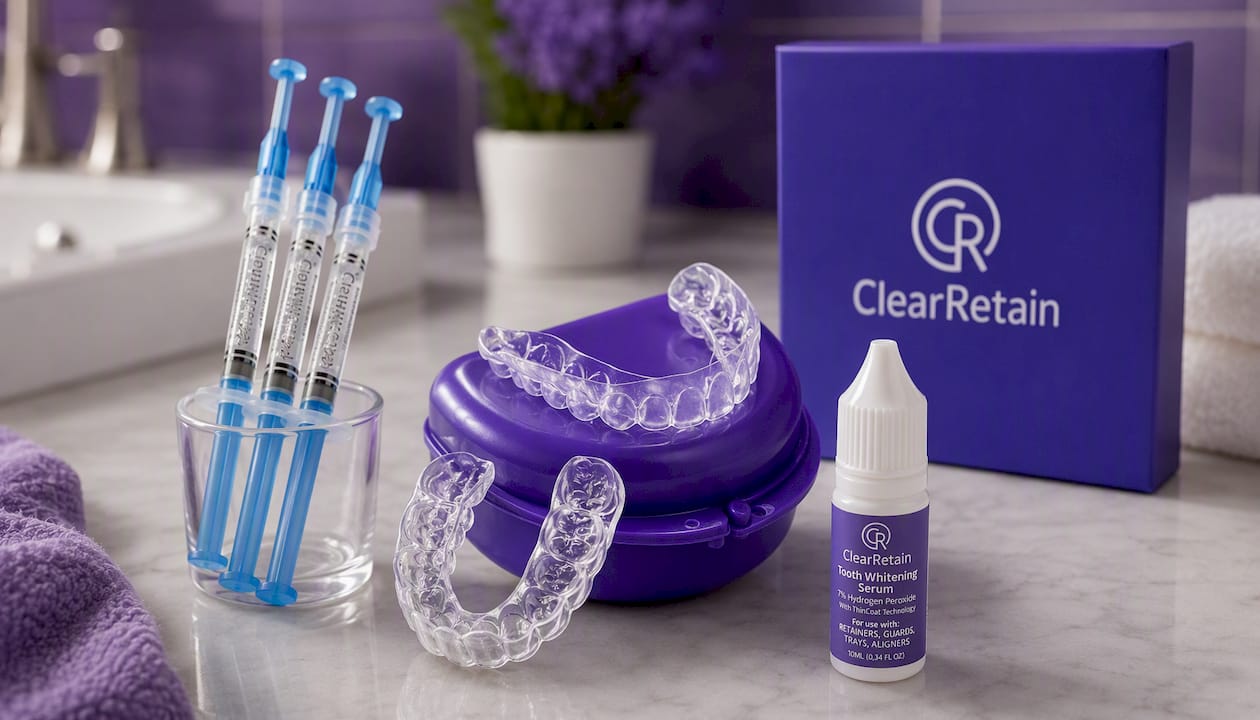
If your syringe separated, your tray warped, or your strips dried out, you don’t need a new consultation to fix it. Order the Teeth Whitening Gel - 3 Pack for a straightforward gel swap, pick up new bleaching trays if the fit has gone off, or add the tooth whitening serum if you’re already using a Clearretain retainer or night guard. Head to Clearretain’s whitening collection to see current options and place an order in the next few minutes.
This article is general information, not a substitute for advice from a qualified doctor. Consult a qualified healthcare professional about your own circumstances before acting on anything here.
Sources
- Can I Use Out Of Date Teeth Whitening? (Everything You Need To Know) — CDHP
- How do I store the whitening trays and gels? | Philips Sonicare
- PRO BRIGHTEN TOOTH WHITENING GEL- hydrogen peroxide gel — DailyMed
- Whitening | American Dental Association (ADA)
FAQ
How long is whitening gel good for?
Unopened whitening gel typically stays effective for about 12 to 24 months from its manufacture date, depending on the formulation and packaging. Once opened, most syringe-based gels are best used within about 30 days, while pens and strips have shorter windows because each use exposes more product to air.
Can I use two-year-old whitening strips?
Two-year-old strips are almost certainly past both their unopened shelf life and any opened-use window, so expect weak or no whitening effect. The adhesive gel layer on strips also tends to dry out over time, which further reduces contact with your teeth and increases the odds you’re wasting the application entirely.
Is it safe to use whitening gel that’s past its expiration date?
Using expired peroxide gel is generally not dangerous in small amounts, but it’s not recommended because the breakdown products can be unpredictable and less effective. If the gel shows separation, discoloration, or an odd smell, discard it rather than risk gum irritation for a result that likely won’t show up.
What happens if you don’t refrigerate teeth whitening gel?
It depends on the manufacturer’s instructions. Some brands, including Philips Sonicare, specifically advise against refrigeration for certain formulations, while others recommend cool storage to slow peroxide breakdown. Always follow the storage instructions printed on your specific product rather than assuming refrigeration is universally better or worse.
What are the warning signs that whitening gel has gone bad?
Watch for phase separation, a change in color, a grainy or clumpy texture, or a sharp chemical smell that goes beyond the mild scent of fresh peroxide. Strips with dried or curled edges have also lost too much moisture to work as intended, and any of these signs means it’s time to replace the product rather than test it.