

Match an In Office Whitening at Home With 10% Carbamide Peroxide Trays
For most people, a custom-fitted tray worn with a carbamide- or hydrogen-peroxide gel gives the best mix of results and control among home teeth whitening methods. Over-the-counter strips work faster and cost less, but fit poorly. Natural remedies barely move the needle. If you have crowns, veneers, cavities, or receding gums, see a dentist before starting anything.
TL;DR:
- Custom-fitted trays with peroxide gel deliver the most consistent and deepest whitening results, especially for sensitive gums, compared to over-the-counter options.
- Strips and paint-on gels provide faster, cheaper modest improvements but often result in uneven coverage and limited reach to back teeth.
- Overuse or high-concentration peroxide products increase the risk of enamel damage and prolonged tooth sensitivity, requiring careful management and protection.
- Natural remedies like baking soda may offer mild surface stain removal, but acidic or abrasive DIY methods pose enamel erosion risks that outweigh benefits.
- Maintaining results depends on daily habits, with tray-based treatments lasting up to a year and touch-ups done with low-concentration gel to avoid additional sensitivity.
Table of Contents
- What are the main types of home teeth whitening?
- How does teeth whitening actually work?
- Is home teeth whitening safe, and what side effects should you expect?
- How do you choose the right at-home whitening method?
- Why custom trays beat generic kits for at-home results
- Do baking soda, oil pulling, and other natural remedies work?
- How long do results last, and how do you maintain them?
- Our take on doing this safely at home
- Get started with a custom whitening tray from Clearretain
- Primary sources and further reading
- Sources
What are the main types of home teeth whitening?
Walk into any drugstore and you’ll find four real categories of home teeth whitening, and they are not interchangeable. Each uses a different delivery method for the same handful of active ingredients, and that delivery method is what separates a mediocre result from a genuinely white smile.
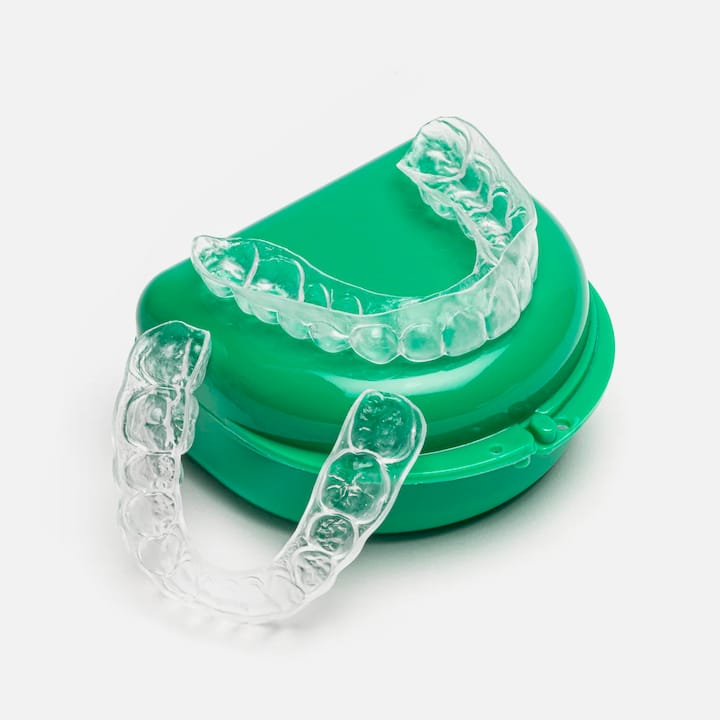
Tray-based systems use a mouthpiece, either custom-molded or a generic “one-size-fits-most” boil-and-bite, filled with a peroxide gel. Custom trays hug your teeth closely, so the gel stays on enamel instead of pooling against your gums. Clinical evidence shows tray-based home bleaching with around 10% carbamide peroxide can produce shade changes similar to a single in-office session using 35% hydrogen peroxide, just spread out over a couple of weeks instead of an hour.
Strips and paint-on gels apply a thin layer of hydrogen peroxide directly to tooth surfaces. They’re fast to use and cheap, and the American Dental Association notes clinical trials support their effectiveness for modest shade improvement. The tradeoff is uneven coverage. Strips rarely reach back molars or gaps between teeth.
Whitening toothpastes rely on mild abrasives and sometimes low-dose peroxide to lift surface stains during brushing. They won’t change your tooth’s underlying shade, but they help maintain results from a stronger treatment.
Natural and DIY methods, like baking soda pastes or oil pulling, sit at the bottom of the effectiveness list. More on why later.
Here’s how they stack up at a glance:
- Custom trays: strongest results, most even application, best for sensitive gums
- OTC strips: fast, affordable, weaker fit control
- Whitening toothpaste: maintenance only, not a standalone fix
- DIY remedies: minimal evidence, real risk of enamel damage with overuse
How does teeth whitening actually work?
Not all discoloration responds to the same treatment, and that’s the single biggest reason people feel let down by a product that “didn’t work.”
Extrinsic stains sit on the outer enamel surface. Coffee, red wine, tobacco, and berries are the usual suspects. These respond well to whitening because the pigment molecules, called chromogens, are sitting right there on the surface waiting to be broken down.
Intrinsic stains live inside the tooth structure itself, often from childhood tetracycline exposure, fluorosis, aging, or trauma to the tooth’s nerve. Bleaching agents can lighten some intrinsic discoloration, but results are slower and less predictable, and severe cases may need veneers or bonding instead.
Hydrogen peroxide and carbamide peroxide are the two workhorses behind nearly every effective product on the market. Carbamide peroxide breaks down into hydrogen peroxide and urea once it contacts saliva, releasing its active ingredient more gradually than pure hydrogen peroxide does. That slow release is part of why carbamide peroxide tends to cause less irritation in tray-based systems than a fast-acting, high-concentration hydrogen peroxide gel.
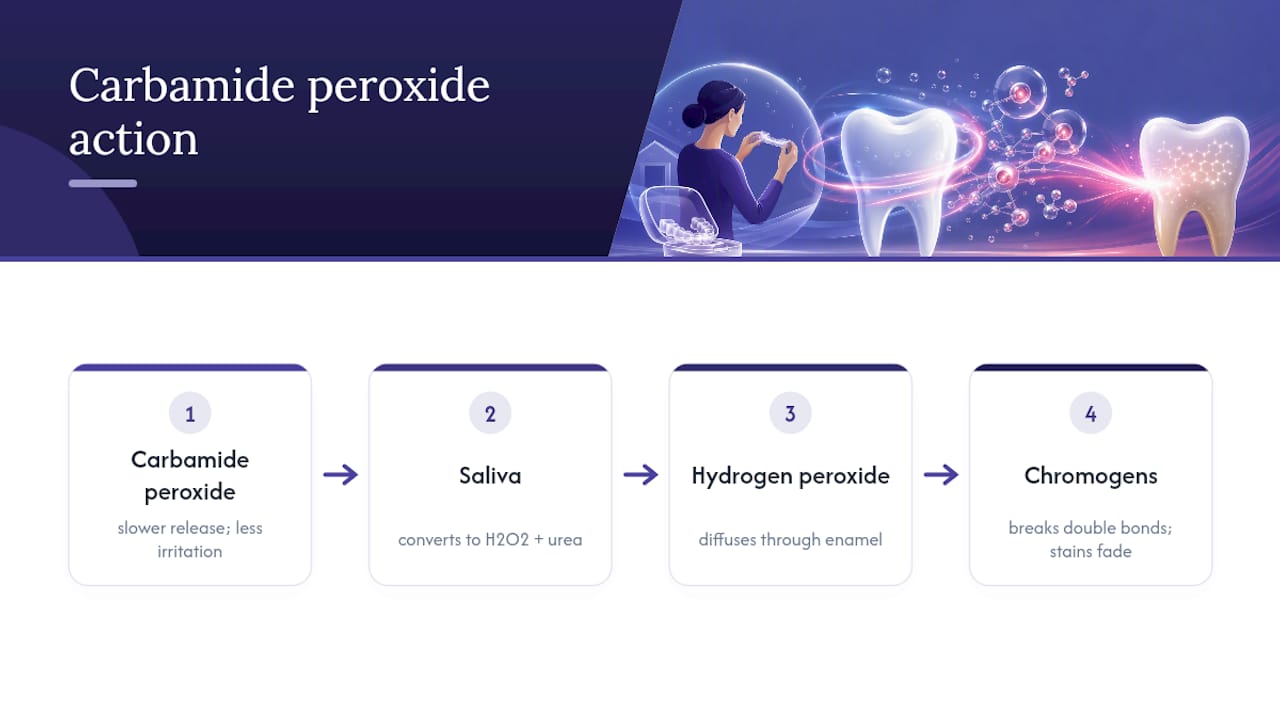
The chemistry itself is straightforward: hydrogen peroxide is a small, reactive molecule that diffuses through enamel and breaks the double bonds in chromogen pigments, scattering light differently so the stain visually fades. Abrasives in toothpaste work through a completely different mechanism. They physically scrub surface stains off, which is why they can’t touch intrinsic discoloration no matter how long you brush. Light-activated kits sold with blue LED devices claim to accelerate the peroxide reaction, but the evidence for a meaningful boost beyond the gel alone is thin.
Is home teeth whitening safe, and what side effects should you expect?
Yes, when used as directed, hydrogen peroxide and carbamide peroxide products are safe and effective for the vast majority of people. That doesn’t mean side-effect-free. Two reactions show up often enough that you should expect them, not panic over them.
Tooth sensitivity happens when peroxide temporarily passes through microscopic enamel channels called tubules and reaches the nerve inside the tooth. It usually appears within the first few days of treatment and fades within a day or two of stopping. Gingival irritation, a white or reddish patch on the gum line, comes from gel leaking out of a poorly fitted tray or a strip that doesn’t match your tooth shape.
Longer-term problems come almost entirely from overuse. Higher concentrations speed up whitening but raise the risk of enamel surface alteration and prolonged sensitivity, and repeated high-dose exposure can degrade the margins around old fillings or crowns over time.
Three steps cut your risk substantially:
- Choose a lower concentration gel and extend treatment time rather than jumping to the strongest product available.
- Keep gel off your gums, either with a custom tray or careful strip placement.
- Use a fluoride toothpaste before and after treatment to help enamel recover.
Pro Tip: If sensitivity hits hard, skip a day rather than pushing through. A short break resets your comfort level without meaningfully slowing your overall results.
Stop and call a dentist if you notice sharp, lingering pain, gum bleaching that doesn’t fade in a few days, or a rough, chalky patch on a tooth surface after treatment.
How do you choose the right at-home whitening method?
Picking a product isn’t guesswork if you answer a few questions honestly before you buy anything.
Start with your stain type. Coffee and wine stains respond to almost any peroxide product; intrinsic stains from childhood medication or aging need a conversation with a dentist first, since bleaching alone might not deliver the result you’re picturing. Next, check the gel concentration and how long you’ll wear it. Custom-fit trays consistently beat generic ones because a tight seal keeps gel off your gums and against your enamel, where it belongs.
Before starting, ask a dentist about emerging treatments like Botox in dentistry: An emerging application to understand how dental-adjacent aesthetic options might complement your whitening care.
- Do I have any untreated cavities or exposed roots that whitening could aggravate?
- Will bleaching affect the color match on my existing crowns or fillings?
- Given my sensitivity history, what concentration and wear time make sense for me?
A conservative, low-risk regimen most people tolerate well: a 10% carbamide peroxide gel in a custom-fitted bleaching tray, worn for two to four hours daily or overnight, for 10 to 14 consecutive days. Most people notice a visible shade change within the first week, with fuller results settling in by day 14.
| Decision factor | What to check | Why it matters |
|---|---|---|
| Stain type | Extrinsic (surface) vs intrinsic (internal) | Determines whether whitening alone will work |
| Gel concentration | Percentage of peroxide listed on packaging | Higher percentages whiten faster but raise sensitivity risk |
| Tray fit | Custom-molded vs boil-and-bite vs strip | Better fit means less gum contact and more even results |
| Restorations present | Crowns, veneers, bonding, fillings | These don’t bleach and may need a separate cosmetic plan |
| Reorder options | Whether the gel or trays can be reordered easily | Keeps maintenance simple without a new impression each time |
Why custom trays beat generic kits for at-home results
A tray that actually fits your teeth is doing more work than people realize. Uniform contact between gel and enamel means every tooth gets roughly the same exposure time, so you don’t end up with a patchy result where your canines are noticeably whiter than your molars. It also keeps the gel away from your gums, which is the single biggest driver of the irritation people blame on “sensitive teeth” when it’s really just tray leakage.
Polymer-based tray materials and controlled-release delivery systems can improve both comfort and safety by moderating how quickly peroxide reaches the tooth surface, rather than dumping the full dose on contact the way a loose-fitting strip can.
Clearretain builds its bleaching trays from FDA-approved materials under the supervision of orthodontic technicians, using a self-impression kit you complete at home instead of an in-office visit. That direct-to-consumer model is also why the trays run at a fraction of standard orthodontic pricing. A few practical notes:
- If you have crowns or veneers, read up on how whitening interacts with dental restorations before you start.
- Many whitening purchases may qualify for HSA reimbursement, which is worth checking before you pay out of pocket.
- Digital impressions are stored, so reordering trays later doesn’t mean redoing the molding process.
Pro Tip: Order your first gel refill around the time your original supply runs low, not after. Running out mid-regimen is the most common reason people abandon treatment before seeing full results.
Do baking soda, oil pulling, and other natural remedies work?
Some natural remedies have a sliver of real evidence behind them. Most don’t.
A baking soda paste, used occasionally, offers mild mechanical polishing that can lift very light surface stains, similar to what a whitening toothpaste does. That’s the extent of the science. Oil pulling, swishing coconut or sesame oil for several minutes, has no meaningful evidence for changing tooth color; whatever freshness people report isn’t whitening.
Acidic remedies are the ones to actually avoid. Rubbing lemon juice, orange peels, or apple cider vinegar on teeth softens enamel through acid erosion, and softened enamel picks up new stains faster than it loses old ones. Activated charcoal has become popular for its scrubbing action, but that same abrasiveness wears down enamel with regular use, which can make teeth look more yellow over time as the enamel thins and the dentin underneath shows through.
- Safe, limited use: occasional baking soda paste for surface polish
- Skip entirely: lemon juice, vinegar rinses, orange peel rubs
- Use cautiously, not daily: activated charcoal powders
- Best option for real change: a peroxide-based tray or strip product
How long do results last, and how do you maintain them?
Durability tracks pretty closely with how the whitening was delivered in the first place. OTC strips typically hold their shade for a few months before staining habits creep back in. Tray-based treatments with peroxide gel tend to last six months to a year, since the more even application reaches deeper into enamel. In-office treatments last the longest but fade eventually too. Nothing is permanent.
Daily habits matter more than any single product. Rinsing with water after coffee or wine, using a straw for dark beverages, and brushing with a whitening toothpaste all slow the return of surface stains without any extra bleaching.
For touch-ups, a lower-concentration gel worn for a few days every few months maintains results far more gently than repeating a full initial regimen. Keeping your original trays and reordering gel refills as needed is simpler than starting over each time.
Our take on doing this safely at home
We built Clearretain around a simple frustration: dental offices mark up whitening and retainer products heavily for something that can be done safely at home with the right fit and the right guidance. Our position isn’t that DIY tricks are worthless, some have a place, but that safety comes from fit and concentration control, not from the fanciest-sounding ingredient. A well-fitted tray with a moderate peroxide gel will out-perform a viral kitchen remedy every time, and it will do it with fewer surprises.
— Clear
Get started with a custom whitening tray from Clearretain
Skip the office visit and the markup. Clearretain gets you a dentist-quality fit shipped to your door, at a fraction of what a traditional practice charges for the same tray-based approach this guide recommends.
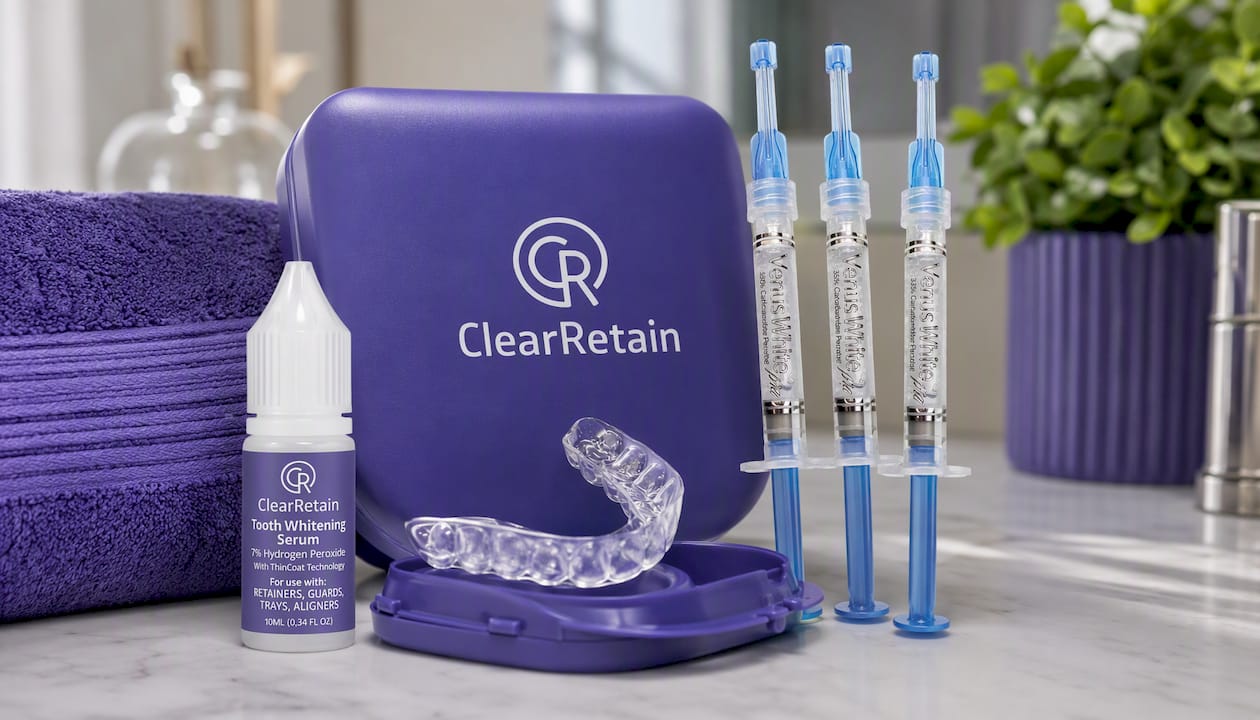
Ordering is simple: request a self-impression kit, mail it back once you’ve completed your impressions at home, and Clearretain manufactures your custom bleaching trays under the supervision of orthodontic technicians using FDA-approved materials. Most people notice their first shade change within the first week of wearing them with gel.
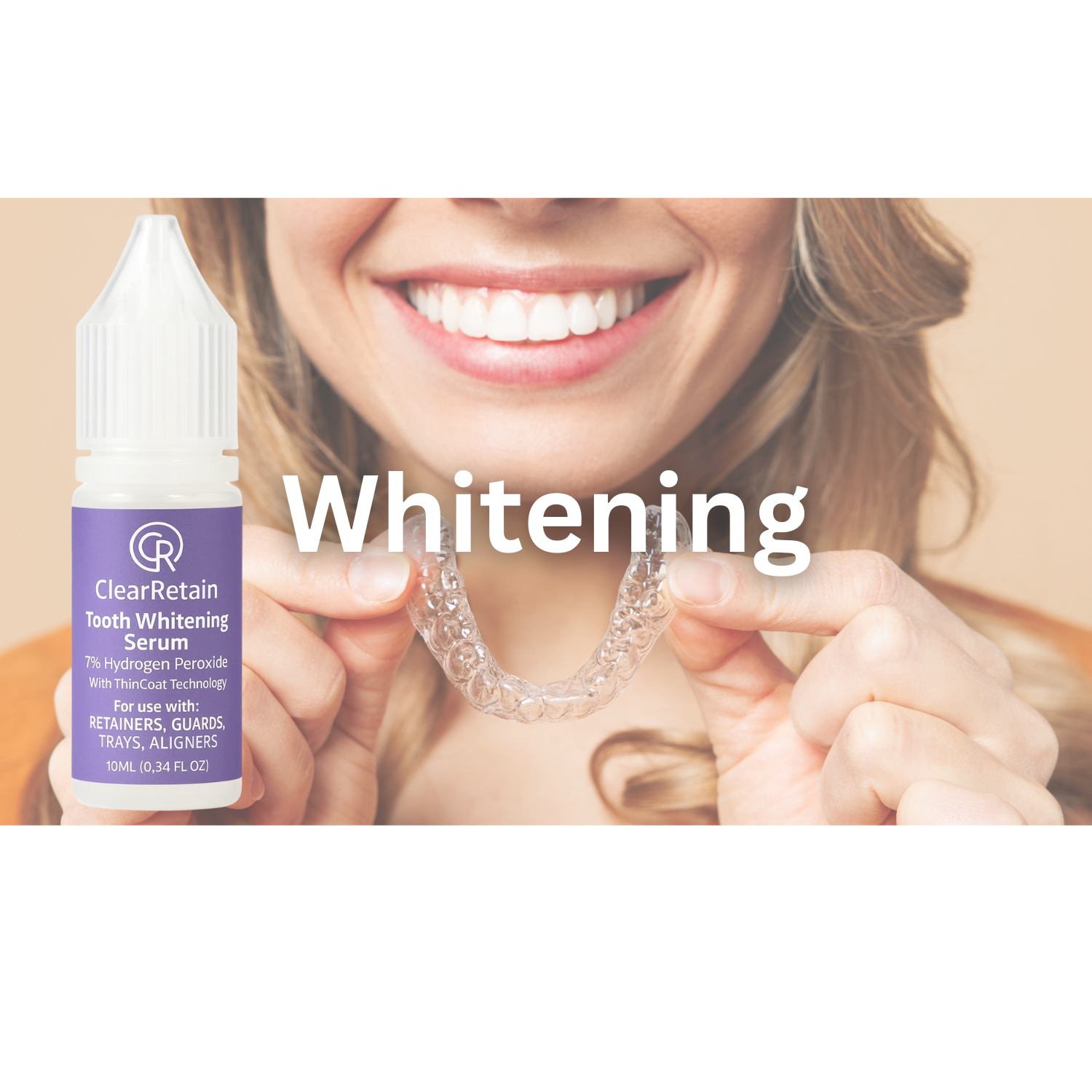
Pick the teeth whitening gel 3-pack if you’re starting your first full regimen and want enough supply to see it through. If you already own a Clearretain retainer or night guard, the tooth whitening serum is built to pair directly with the appliance you already have. Already have trays and just need more gel? Head straight to the reorder page and skip the impression step entirely since your digital mold is already on file.
Primary sources and further reading
- American Dental Association: Whitening — safety guidance, restoration limits, and when to see a dentist
- Tooth Whitening: What We Now Know (PMC) — clinical evidence on efficacy and side effects
- Tooth-Whitening Agents and Polymer-Based Carriers (MDPI) — concentration risks and tray delivery systems
- University of Utah Health: Does At-Home Teeth Whitening Really Work? — practical patient-facing efficacy notes
- ADA News: Do Tooth-Whitening Products Work? — strip efficacy and charcoal abrasion risk
This article is general information, not a substitute for advice from a qualified doctor. Consult a qualified healthcare professional about your own circumstances before acting on anything here.
Sources
- Tooth Whitening: What We Now Know - PMC
- Whitening | American Dental Association
- Tooth-Whitening Agents and Polymer-Based Carriers: Efficacy, Safety, and Clinical Perspectives