

Hold Off Through Breastfeeding: ADA and ACOG Advice for U.S. Parents
Elective teeth whitening is generally something dentists recommend postponing until after pregnancy, though the concern is caution rather than confirmed danger. Topical hydrogen peroxide is not expected to be absorbed systemically in amounts that would reach the fetus, but pregnant populations are rarely studied, so clinicians default to conservative advice. Necessary dental care, including cleanings and fillings, is safe throughout pregnancy. In the meantime, an ADA Seal whitening toothpaste and a professional cleaning cover most of what you’re after.
TL;DR:
- Most whitening products rely on hydrogen peroxide or carbamide peroxide, which primarily work on surface stains and do not affect dental restorations.
- Higher concentration gels whiten faster but increase the risk of tooth sensitivity and gum irritation, which is especially problematic during pregnancy.
- Pregnancy-related changes, like hormonal shifts and enamel erosion from vomiting, make whitening less effective and more likely to cause sensitivity.
- Clinical guidelines prioritize treating active dental disease immediately while postponing cosmetic whitening until after pregnancy due to limited safety data.
- Maintaining good oral hygiene and professional cleanings can improve tooth appearance safely throughout pregnancy without the risks associated with whitening treatments.
Table of Contents
- What major organizations and clinical reviews recommend
- How whitening agents work and why concentration matters
- Pregnancy-specific risks: sensitivity, enamel erosion, and limited research
- Practical, pregnancy-safe ways to brighten your smile now
- When to wait: postpartum timing and breastfeeding considerations
- Checklist: questions and red flags to bring to your appointment
- Publisher perspective and credibility notes
- How ClearRetain products fit as a postpartum or dentist-cleared option
- Sources
- FAQ
What major organizations and clinical reviews recommend
The guidance on whitening during pregnancy is less about proven harm and more about missing data. ACOG’s committee opinion on oral health states plainly that preventive, diagnostic, and restorative dental work, including radiographs with shielding, local anesthesia, fillings, and extractions, is safe at any point in pregnancy and should not be delayed. That’s the opposite of what many expectant parents assume. Cosmetic procedures sit in a different category, not because they’re known to be risky, but because there’s no compelling reason to take on any uncertainty for a non-urgent treatment.
A 2021 literature review on dental care during pregnancy found that topical hydrogen peroxide used in whitening is unlikely to be absorbed into the bloodstream at levels that would expose a developing fetus. The same review flagged a separate concern: procedures involving amalgam removal can temporarily raise inorganic mercury levels in blood, which is why dentists avoid removing amalgam fillings during pregnancy unless it’s urgent.
Put together, the pattern clinicians follow is:
- Treat active disease (cavities, infections, gum disease) right away, regardless of trimester.
- Postpone elective cosmetic work, including whitening, when there’s no medical urgency.
- Avoid unnecessary amalgam removal specifically because of the mercury exposure question.
The logic isn’t that whitening is dangerous. It’s that pregnancy is a poor time to add any unknowns to the mix when the payoff is cosmetic.
How whitening agents work and why concentration matters
Most whitening products rely on one of two active ingredients: hydrogen peroxide or carbamide peroxide, which breaks down into hydrogen peroxide once applied. Both work by oxidizing stain molecules trapped in the enamel and the layer beneath it, breaking them into smaller, less pigmented compounds. The process lightens the tooth itself; it does nothing to crowns, veneers, or fillings, which is why the American Dental Association notes that whitening before getting a restoration can leave a visible mismatch later.
Concentration is where risk and results diverge. Over-the-counter strips and pens typically use lower percentages, while dentist-supplied tray gels run stronger. A few practical points:
- Higher concentrations whiten faster but increase the odds of tooth sensitivity and gum irritation.
- Lower-concentration products need more applications to reach the same result.
- Only natural tooth enamel responds to bleaching; existing dental work will not change shade.
Regulatory pharmacology reviews of hydrogen peroxide formulations describe it as rapidly broken down after topical use, which supports the low-systemic-exposure argument, while also noting that higher concentrations raise the chance of local irritation. That tradeoff matters more during pregnancy, when enamel and gums are already under stress.
Pregnancy-specific risks: sensitivity, enamel erosion, and limited research
Pregnancy changes the mouth in ways that make whitening a worse bet even before you factor in the fetal-safety question. Rising hormone levels increase the risk of gingivitis and, over time, cavities, which is why HRSA’s guidance on dental health during pregnancy treats prevention and disease treatment as the priority, ahead of anything cosmetic. Morning sickness adds a second complication: frequent vomiting exposes enamel to stomach acid, and MouthHealthy’s pregnancy guidance notes this can substantially worsen enamel erosion, which in turn makes peroxide more likely to cause sensitivity and less likely to whiten evenly.
There’s no large clinical trial establishing a safety threshold for whitening in pregnant patients, which is exactly why the standard advice stays conservative: absence of evidence of harm isn’t the same as evidence of safety.
A few specific risk points worth knowing:
- Acid-softened enamel from morning sickness responds poorly to bleaching and sensitizes faster.
- Gum inflammation common in pregnancy can make bleaching trays uncomfortable or cause peroxide to irritate already-tender tissue.
- Amalgam removal, sometimes done in preparation for whitening or restorative work, should be delayed unless urgently needed.
None of this means your mouth is fragile. It means the timing works against you, and there’s no upside to fighting it.
Practical, pregnancy-safe ways to brighten your smile now
You don’t have to do nothing for nine months. The most effective moves are also the most boring ones: brushing twice a day for two full minutes, flossing daily, and keeping up with professional cleanings, all of which MouthHealthy recommends as the foundation of safer whitening during pregnancy. An ADA Seal whitening toothpaste can lift surface stains gradually, though it works on surface discoloration only and won’t change the tooth’s underlying shade the way peroxide gel does.
Options worth considering now:
- Switch to an ADA Seal–approved whitening toothpaste for gradual surface polishing.
- Book a professional cleaning to remove stain-causing buildup that toothpaste can’t touch.
- Rinse with plain water or a baking soda solution after vomiting instead of brushing right away, since brushing over acid-softened enamel accelerates wear.
- Skip charcoal powders, lemon rubs, and other DIY hacks circulating online. The ADA warns these lack scientific backing and can erode enamel that’s already vulnerable during pregnancy.
Pro Tip: If stains bother you day to day, ask your dentist about an in-office cleaning before reaching for any bleaching product. It’s often the fastest, lowest-risk way to see a visible difference.
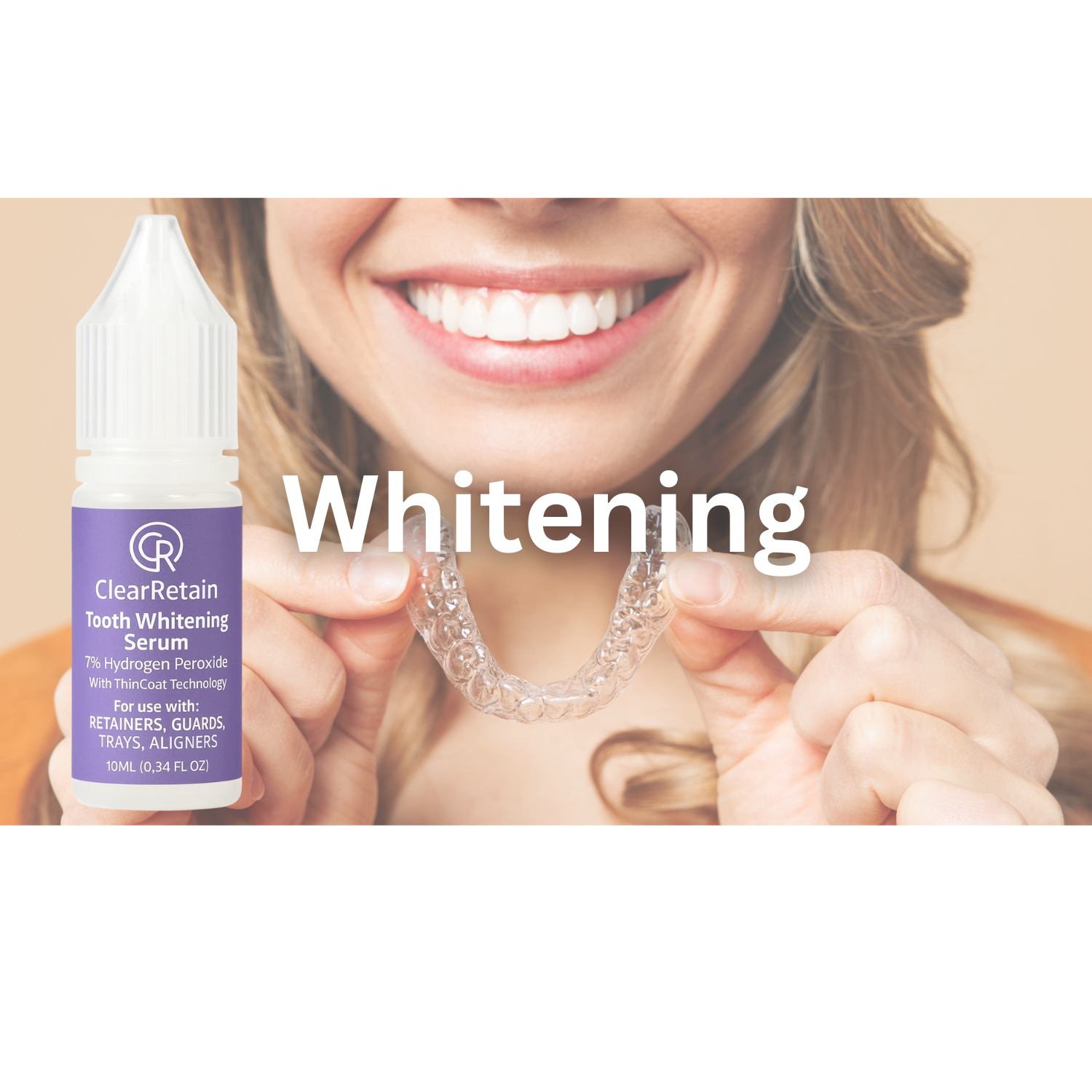
For readers thinking ahead to after delivery, products like custom bleaching trays or a tooth whitening serum designed for use with a retainer or night guard are worth discussing with a dentist once you’re cleared to resume elective treatments.
When to wait: postpartum timing and breastfeeding considerations
Most clinicians suggest holding off on elective whitening not just through pregnancy but often through breastfeeding as well, simply because the same lack of research applies. There’s no established evidence that peroxide transfers into breast milk in meaningful amounts, but because no one has studied it directly in nursing populations, the conservative move is to ask your dentist before resuming.
A few situations worth flagging with your provider:
- If you whitened shortly before conceiving, most touch-ups can reasonably wait until after delivery rather than being repeated mid-pregnancy.
- If sensitivity or gum irritation was already an issue before pregnancy, expect it to be more pronounced now, which is another reason to delay.
- If you’re breastfeeding and eager to resume whitening, a quick conversation with your dentist about timing costs nothing and removes the guesswork.
This isn’t a strict rule so much as a shared default among providers: when in doubt, wait, then confirm with a professional before restarting.
Checklist: questions and red flags to bring to your appointment
Walking into a dental visit with the right questions turns a vague “is this safe?” into a real answer specific to your mouth.
- Are my gums healthy right now, or is there active inflammation?
- Do I have any enamel erosion from morning sickness or reflux?
- Do I have crowns, veneers, or fillings that whitening won’t affect evenly?
- If whitening is appropriate later, what concentration would you recommend?
- Would an in-office cleaning address my concerns more safely than bleaching right now?
Red flags to watch for: anyone pushing high-concentration OTC kits without an exam, or DIY methods promoted with no clinical backing. If you have a cavity, infection, or gum disease, that gets treated now; cosmetic whitening can always wait.
Publisher perspective and credibility notes
We built this guide because so many of the questions we get are about timing, not fear, people wanting a straight answer instead of a guess. ClearRetain works from published ACOG and ADA guidance rather than trends, and we’d rather point you toward a dentist’s judgment than toward a product. If you’re pregnant or nursing, talk to your dentist before starting any whitening system, including ours, and use our product pages only once you’ve been cleared.
— Clear
How ClearRetain products fit as a postpartum or dentist-cleared option

Once your dentist gives the go-ahead, whitening at home doesn’t have to mean a trip to the orthodontist or a marked-up in-office price. ClearRetain’s bleaching trays are custom-fit from a self-impression kit, and our whitening gel and tooth whitening serum are designed to work with a retainer or night guard you already wear. Browse the full lineup, including retainers and night guards, at ClearRetain.
Sources
- Pregnancy and Dentistry: A Literature Review on Risk Management during Dental Surgical Procedures
- Oral Health Care During Pregnancy and Through the Lifespan | ACOG
This article is general information, not a substitute for advice from a qualified doctor. Consult a qualified healthcare professional about your own circumstances before acting on anything here.
FAQ
Is it safe to get teeth whitened during pregnancy?
Most dentists recommend postponing elective whitening during pregnancy, mainly because there’s limited research in pregnant patients rather than any confirmed danger. Necessary dental care like cleanings, fillings, and treating infections remains safe and should not be delayed.
Is 6% or 16% whitening gel stronger?
Higher whitening gel concentrations typically whiten faster but increase the chance of sensitivity and gum irritation, while lower concentrations require more applications and tend to be gentler on enamel and gums, which is especially relevant during pregnancy.
How can I deal with yellow teeth while pregnant?
The safest approach is prevention: brushing twice daily for two minutes, flossing, and getting a professional cleaning, which MouthHealthy recommends as a starting point during pregnancy. An ADA Seal whitening toothpaste can help with surface stains without the sensitivity risk that comes with peroxide gel.
What disqualifies someone from teeth whitening?
Active gum disease, untreated cavities, significant enamel erosion, and existing restorations like crowns or veneers can all make whitening inappropriate until addressed, since whitening doesn’t affect restorations and can create visible mismatches. During pregnancy, the elective nature of whitening itself is often reason enough for a dentist to recommend waiting.