

What Causes Mouth Guard Deterioration: Full Guide
Mouth guards deteriorate primarily from mechanical stress, heat exposure, abrasive cleaning agents, and poor storage habits. If you already own a guard and it feels loose, smells off, or shows visible cracks, those are not cosmetic issues — they signal real protection loss. The most important single step: bring your guard to your next dental visit so a hygienist can catch micro-wear you cannot see yourself.
Top contributors to mouth guard wear and tear:
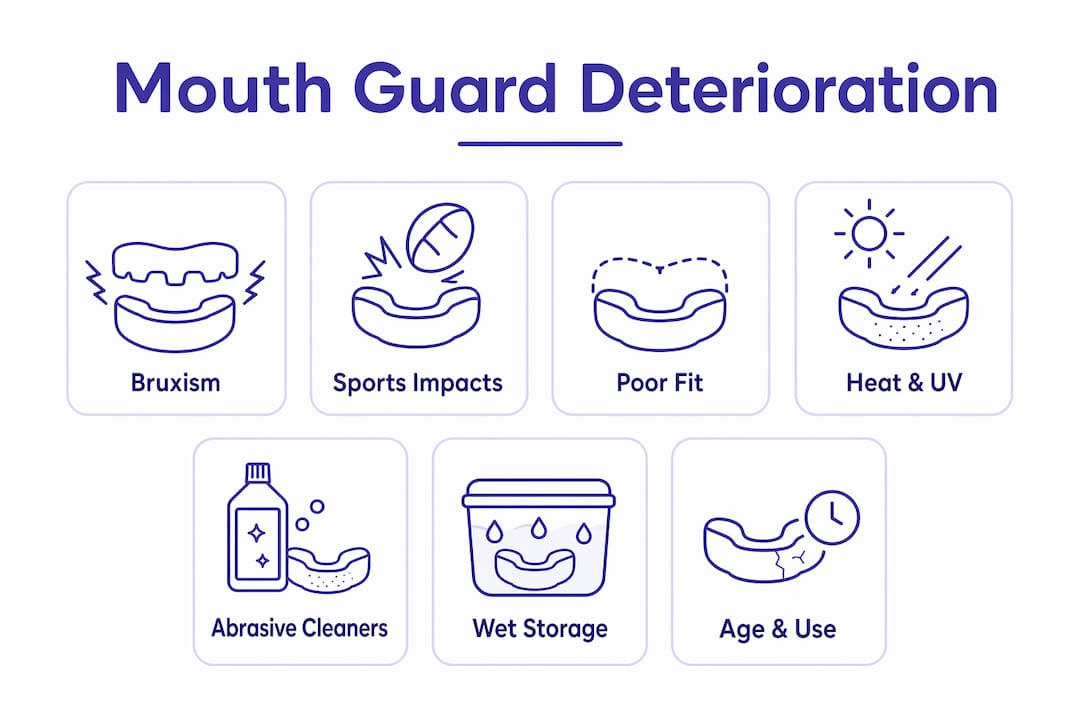
- Bruxism and clenching (high mechanical force, repeated nightly)
- Heat exposure from hot water, dishwashers, or a parked car
- Abrasive toothpastes and whitening agents creating micro-scratches
- Wet storage in a sealed, unventilated case (bacterial colonization)
- Poor fit from dental changes or original guard type
- Age and frequency of use (material fatigue over time)
Quick action: If you spot cracks, thinning, or persistent odor, photograph the damage and bring it to your dental checkup for a professional evaluation before the guard fails entirely.
Table of Contents
- What does a deteriorating mouth guard actually look like?
- What causes mouth guard deterioration at the root level?
- How does guard type and material affect how long it lasts?
- Daily and weekly care habits that slow deterioration
- When should you replace your mouth guard?
- What health risks does a degraded guard create?
- How does saliva affect how fast a guard wears down?
- Manufacturer warranties and realistic lifespan expectations
- Key Takeaways
- The part most people skip
- Clearretain replacement guards for U.S. customers
- Useful sources and further reading
What does a deteriorating mouth guard actually look like?
Knowing what to look for takes the guesswork out of replacement decisions. Run through this checklist under good lighting:
- Cracks or tears in the body of the guard, especially along bite surfaces
- Holes worn through in posterior (back) or anterior (front) zones
- Layer separation where laminated materials peel apart
- Edge warping that no longer follows the gum line
- Localized thinning in high-pressure areas (molars for grinders, front teeth for contact sports)
- Surface roughness or a chalky texture that was not there when new
- Discoloration or staining that does not clean off
- Persistent odor even after washing
- Fit changes: the guard feels loose, rocks, or causes new jaw soreness
Each sign carries a specific risk. Cracks and holes eliminate force distribution. Rough surfaces increase bacterial adhesion, turning the guard into a pathogen reservoir. A loose fit means the guard shifts during sleep or impact, reducing protection to near zero.
Pro Tip: A guard that feels uncomfortable or loose is a valid replacement cue even when visible damage looks minor. Fit loss often precedes visible structural failure, particularly after orthodontic changes or significant dental work.
Photograph any damage you find. Dental professionals recommend inspection during hygiene visits so they can compare current wear against earlier photos or templates and catch micro-thinning before it becomes a safety issue.
What causes mouth guard deterioration at the root level?
1. Bruxism and clenching
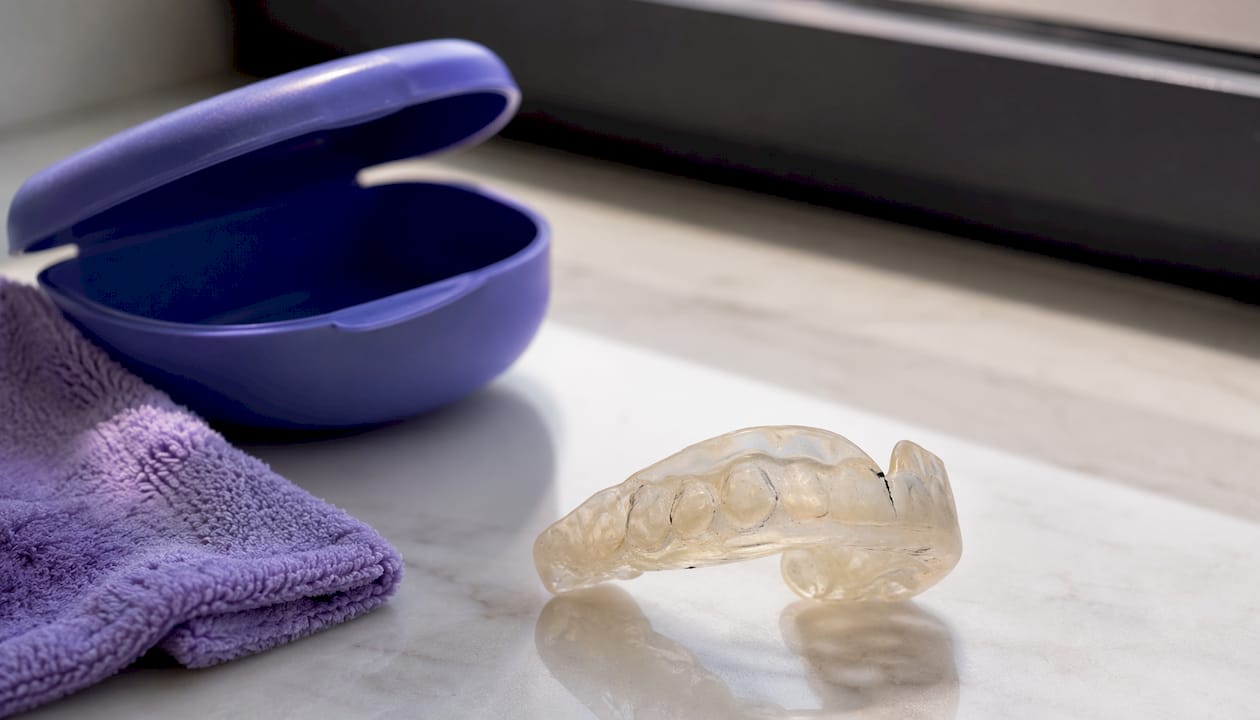
Grinding generates forces far beyond normal chewing. Heavy bruxism users often need more frequent inspections and replacements because the mechanical forces involved are exponentially higher than those from casual nighttime wear. Material fatigue accumulates with every session, and the guard thins in the exact zones where teeth meet hardest.
2. Chewing and sports impacts
Chewing on a guard, whether out of habit or during contact sports, concentrates stress in small areas and accelerates localized thinning. Sports impacts add sudden compressive forces that can crack acrylic guards or punch through softer thermoplastic materials.
3. Poor fit and dental changes
A guard that no longer matches your bite distributes force unevenly. Even without surface damage, a guard that becomes uncomfortable or loose has compromised structural integrity. Orthodontic treatment, new restorations, or tooth loss all change the fit equation.
4. Heat and UV exposure
Heat is the most common cause of irreversible structural deformation in mouthguards. Washing with hot water, running a guard through a dishwasher, or leaving it in a warm car interior will permanently warp the thermoplastic material. Once re-hardened in a distorted shape, the guard no longer matches the bite.
Sunlight adds UV degradation on top of thermal stress, yellowing and embrittling the material over time.
5. Abrasive cleaners and whitening toothpastes
Whitening toothpastes are too abrasive for mouthguard materials. The micro-scratches they create increase surface roughness, which in turn accelerates bacterial plaque adhesion and speeds material breakdown. Research on used EVA guards found surface roughness increases dramatically after a season of use, from approximately 0.713 μm (new) to 173.88 μm (used), a change that directly correlates with bacterial colonization.
6. Wet storage and bacterial biofilm
Storing a wet guard in a closed, unventilated case creates ideal conditions for bacterial growth. Mouthguards are porous and collect bacteria and food debris; inadequate cleaning can make them reservoirs that contribute to oral health problems. Always air-dry before placing the guard in its case.
7. Age and frequency of use
Even a well-maintained guard degrades through simple material fatigue. Polymers lose elasticity, surfaces roughen from repeated cleaning cycles, and the cumulative effect of nightly compression adds up. Replacement should be based on fit, function, and visible signs, not calendar age alone.
How does guard type and material affect how long it lasts?
| Guard Type | Typical Lifespan | Primary Vulnerability |
|---|---|---|
| Custom-fitted (hard or hybrid) | 1–5 years | Brittle cracking under heavy impact |
| Boil-and-bite | 6 months | Chew-through; poor fit retention |
| Stock (over-the-counter) | Weeks to a few months | Minimal fit, rapid surface wear |
Material matters as much as fit. EVA (ethylene-vinyl acetate), the most common thermoplastic, develops surface roughening and bacterial adhesion over time. Hard acrylic resists grinding well but can crack under sharp impact. Soft thermoplastics are comfortable but prone to chewing through, especially for heavy grinders. Hybrid hard-soft guards balance protection and comfort, and they tend to outlast single-material options for bruxism cases.
- EVA: Flexible, comfortable, but surface roughens quickly under abrasive cleaning
- Hard acrylic: Durable against grinding, brittle against impact
- Soft thermoplastic: Easiest to wear, shortest lifespan for heavy grinders
- Hard-soft hybrid: Best durability balance for nightly bruxism use
Pro Tip: Ask your dentist which material matches your specific use case. A custom night guard for heavy grinding needs different material properties than a seasonal sports guard.
Daily and weekly care habits that slow deterioration
Daily routine:
- Rinse with cool or lukewarm water immediately after removing the guard.
- Brush gently with a soft toothbrush and mild soap (no toothpaste, no whitening products).
- Rinse again thoroughly to remove all soap residue.
- Air-dry completely on a clean surface before storing.
- Place in a ventilated, rigid case away from heat and direct sunlight.
Weekly deeper clean:
Use a dentist-approved soak or a denture-cleaning effervescent tablet. Research shows an effervescent tablet removes 99% of deposited salivary proteins versus 91% for a cold-water rinse alone, making it the stronger option for weekly hygiene. Check with your dentist before using chemical soaks if your guard has a hard acrylic layer.
What to avoid absolutely:
- Boiling water or dishwasher cycles (permanent warping)
- Hot cars or windowsills (same thermal damage)
- Whitening toothpastes and abrasive cleaners (micro-scratching)
- Alcohol-based mouthwash as a soak (degrades thermoplastic materials)
- Sealed, unventilated storage while still wet
For a full step-by-step cleaning and storage routine, Clearretain’s care guide covers both daily and weekly protocols in detail.
Pro Tip: Clean the storage case itself at least once a week. A dirty case recontaminates a freshly cleaned guard immediately.
When should you replace your mouth guard?
Replacement timelines by guard type:
| Guard Type | Typical Replacement Window |
|---|---|
| Custom night guard | 1–5 years |
| Boil-and-bite | 6 months |
| Sports guard | Each season, or sooner if damaged |
Replace your guard when you notice any of these:
- Visible cracks, holes, or tears in the material
- Thinning in pressure zones (molars or front teeth)
- Persistent odor that survives a thorough cleaning
- New jaw or orthodontic changes that alter fit
- Looseness, rocking, or new discomfort during wear
- Increased morning jaw soreness or tooth sensitivity
Bring the guard to every dental checkup. A hygienist can detect early micro-thinning and structural fatigue that is invisible to the naked eye, and they can advise on timing based on your specific grinding pattern or sport. Photographing the guard every few months gives both you and your dentist a useful comparison baseline.
What health risks does a degraded guard create?
A worn guard is not just less protective. It actively creates new risks:
- Bacterial biofilms: Rough, porous surfaces harbor opportunistic pathogens including bacteria linked to periodontal disease, oral thrush, and respiratory infections.
- Mucosal cuts: Jagged edges from cracks or worn-through holes can lacerate gum tissue, creating an entry point for bacteria into the bloodstream.
- Reduced protection: Thinned or cracked material no longer distributes occlusal forces, leaving teeth and restorations exposed to the full impact of grinding or contact.
- Systemic risk: For immunocompromised individuals, a contaminated guard poses a more serious infection risk than it would for a healthy adult.
Research on sports mouthguards found that used guards showed a dramatic increase in surface roughness after a season of use, from about 0.713 μm when new to 173.88 μm when used. Mechanical cleaning with a toothbrush and toothpaste removed about 98% of bacteria, compared to 60–70% for water rinsing alone.
Persistent odor combined with visible roughness and staining is a stronger clinical cue for replacement than discoloration alone. Odor signals active bacterial colonization, not just cosmetic aging.
How does saliva affect how fast a guard wears down?
Saliva is not neutral to mouthguard materials. Research shows that salivary proteins, specifically amylase and lysozyme, deposit on guard surfaces within the first hour of wear. These proteins act as a conditioning film that facilitates bacterial adhesion. Individuals with higher salivary flow or altered salivary pH may see faster biofilm formation on their guards.
Beyond protein deposition, saliva composition affects the oral environment itself. Studies on children using sports mouthguards found that prolonged device use reduced buffering capacity and salivary pH, which weakens saliva’s natural protective effect against caries and gum disease. A more acidic oral environment also accelerates surface degradation of thermoplastic materials over time. People with dry mouth (xerostomia) face a different problem: reduced saliva flow means less natural rinsing of the guard surface, concentrating debris and bacteria more quickly.
Manufacturer warranties and realistic lifespan expectations
Most manufacturers of custom dental appliances offer a limited warranty covering defects in materials and fabrication, typically ranging from 30 days to one year depending on the product tier. Clearretain’s guards are made from FDA-approved materials under the supervision of orthodontic technicians, and specific warranty terms are listed on each product page.
Warranty coverage and actual lifespan are different things. A custom night guard may carry a one-year warranty but last three to five years with proper care. Conversely, a heavy grinder may wear through a guard in under a year regardless of material quality. Stock and boil-and-bite guards rarely carry meaningful warranties and are designed for short-term use. For anyone with heavy bruxism or complex restorations, a custom-fitted option is the only realistic path to multi-year durability.
Key Takeaways
Mouth guards deteriorate fastest when mechanical stress, heat, abrasive cleaners, and wet storage combine, and the damage is often invisible until protection is already compromised.
| Point | Details |
|---|---|
| Primary causes | Bruxism force, heat/UV, abrasive cleaners, and wet sealed storage drive most deterioration. |
| Top daily habit | Rinse, soft-brush with mild soap, air-dry fully, then store in a ventilated case. |
| Avoid heat absolutely | Hot water, dishwashers, and parked cars permanently warp thermoplastic guards. |
| Inspection cadence | Check visually every month; bring the guard to every dental hygiene visit for professional evaluation. |
| Clearretain replacement | Clearretain offers FDA-approved sports guards, hard night guards, and retainer-night guards at a fraction of typical office prices. |
The part most people skip
The conventional wisdom on mouth guard care focuses almost entirely on cleaning. That matters, but the bigger gap is inspection. Most people replace a guard only when it breaks visibly or falls apart. By that point, the guard has likely been underperforming for months, and the bacterial load on a roughened, worn surface has been building the whole time.
Dental professionals can spot micro-thinning and altered fit that users consistently miss, which is exactly why bringing the guard to a hygiene appointment is worth doing even when the guard looks fine. A guard that “looks okay” but feels slightly different than it did six months ago is already telling you something.
The other underappreciated factor is heat. A single dishwasher cycle or one afternoon in a hot car can permanently warp a guard that would otherwise have lasted years. That is not a gradual process. It happens once and it is irreversible. Treating the storage case as carefully as the guard itself, keeping both out of heat and sunlight, is the single highest-leverage habit most people are not doing.
For heavy grinders especially, the economics of replacement matter. A worn guard that no longer distributes force correctly is not just a hygiene problem. It leaves teeth and restorations exposed to the full mechanical load of grinding, which is exactly the damage the guard was supposed to prevent. Replacing on schedule costs far less than repairing a cracked crown.
Clearretain replacement guards for U.S. customers
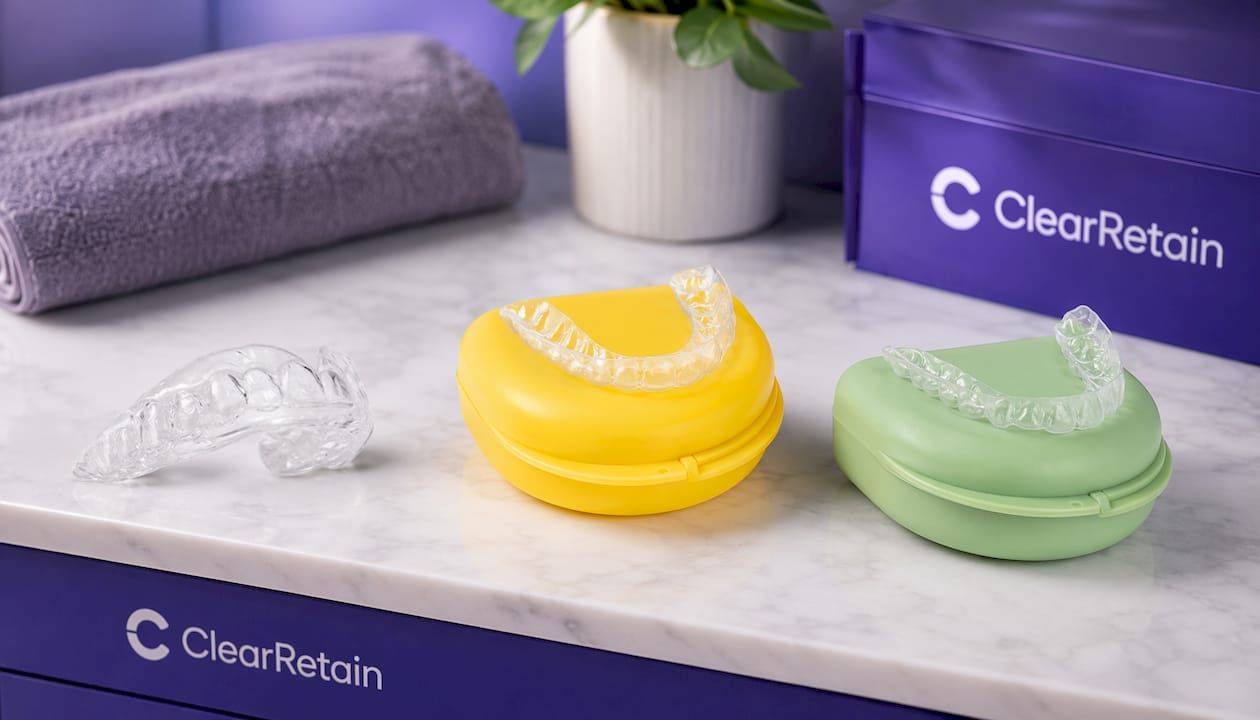
When a guard is past repair, Clearretain offers direct-to-consumer replacements at up to 80% less than traditional orthodontic office prices, with no appointment required and FDA-approved materials made under orthodontic technician supervision. Three options cover the most common needs:
- Sports mouth guard (multiple colors): built for seasonal contact sports use, ideal for guards worn through from impact or reaching end of season.
- Premium hard night guard: the durable choice for heavy bruxism, designed for multi-year use with hard acrylic construction.
- Upper retainer-night guard: a hybrid for people who need both retainer function and nighttime protection, particularly useful after orthodontic treatment.
Orders ship with a detailed self-impression kit so fit is confirmed at home. If you have heavy grinding, complex restorations, or significant jaw changes, confirm the guard type with your dentist before ordering. Clearretain products are not a medical prescription and do not replace clinical evaluation for complex cases.
Ready to replace a worn guard? Browse Clearretain’s options at clearretain.com and order with your current bite impression for the best fit.
Useful sources and further reading
The following resources were used in preparing this article and are worth bookmarking for your own reference or to share with your dental provider:
- PMC: Surface deterioration and bacterial colonization on sports mouthguards — surface roughness data and cleaning protocol comparisons
- PMC: Mouthguard hygiene and maintenance among athletes — compliance data and pathogen risk overview
- Minnetonka Dental: When to replace a mouthguard or night guard — replacement triggers and lifespan guidance
- Colgate: Cleaning a mouth guard — daily hygiene recommendations
- Riverwatch Dental: How to properly clean your dental mouthguard — replacement timelines by guard type
- Greeley Smiles: How to extend the life of your custom mouthguard — care and storage best practices
- Soundview Family Dental: Mouthguard care — professional inspection recommendations
- Old Betsy Dental: How long do mouth guards last? — abrasion and lifespan factors
- Clearretain: Mouth guard cleaner daily and weekly routines — step-by-step care guide
- Clearretain: Night guards — replacement options and material guidance
Bring your guard and these notes to your next hygiene appointment. A professional inspection takes minutes and can save you from months of inadequate protection.