



Vivera Retainer Cost: What You'll Pay in 2026
Expect to pay roughly $400 to $1,200 for a full Vivera retainer package, depending on where you order and how many sets you get. Most orthodontic practices charge $400 to $800 per set, while a full four-retainer package can run $500 to $1,200 in major metro areas. Replacements are usually billed separately, often out-of-pocket, and rarely covered by insurance.
- A single Vivera package typically includes multiple sets, not just one retainer per arch.
- Insurance frequently covers the first retainer under your original treatment plan but not replacements.
- Direct-order alternatives can cut the per-set price significantly compared to in-office pricing.
Table of Contents
- What Is a Vivera Retainer and What’s in a Typical Package?
- How Much Do Vivera Retainers Actually Cost?
- Will Insurance Cover Vivera Retainers?
- How Do You Order Replacement Vivera Retainers?
- What Makes Vivera Different From a Traditional Retainer?
- A Publisher Disclosure: How ClearRetain Compares on Price and Convenience
- How Long Does a Vivera Retainer Last, and How Do You Extend It?
- Questions to Ask Before You Order or Replace a Retainer
- What Drives the Real Price of a Vivera Retainer
- Why the “Just Ask Your Orthodontist” Advice Falls Short
- Get a Vivera-Style Retainer Without the Office Markup
- Frequently Asked Questions
- Sources
What Is a Vivera Retainer and What’s in a Typical Package?
A Vivera retainer is a manufacturer-grade clear retainer made from a proprietary, multi-layer polyurethane material, thicker and stiffer than the standard clear retainers many labs produce. Align Technology, the company behind Invisalign, also makes Vivera, which is why orthodontists frequently recommend it as the natural follow-up device once active treatment ends. The ADA’s overview of retainers confirms that any removable retainer’s job is the same: hold teeth in their new position after braces or aligners come off.
A typical Vivera order isn’t a single retainer. Practices commonly supply up to four sets per arch as part of one order, covering both upper and lower configurations depending on what you need.
- A “package” usually means multiple identical sets, not four different designs.
- Extra sets exist because retainers wear down, warp from heat, or get lost, and a fresh one from the same batch is one less appointment.
- Buying multiple sets upfront lowers your effective cost-per-retainer compared to ordering one at a time.
How Much Do Vivera Retainers Actually Cost?
Prices vary more by provider and location than by the retainer itself. On the low end, some practices bundle a Vivera package into overall Invisalign treatment for around $400 to $600 total. On the higher end, especially in larger cities, a standalone four-retainer package can run $800 to $1,200 or more. Patient reports posted in online forums put out-of-pocket costs anywhere from $300 to $800, depending heavily on whether that first set was baked into treatment or billed as an add-on.
Several factors push the number up or down:
- Provider markup. Orthodontists set their own retail price on top of the lab fee they pay to Align.
- Geography. Practices in coastal cities and major metros routinely charge more than suburban or rural offices.
- What’s bundled in. A price that includes a new digital scan, a fit-check visit, and follow-up adjustments will cost more than a bare re-order.
- Number of sets. Four sets per arch costs more upfront than two, but the price-per-set usually drops.
- Treatment bundling. Some Invisalign contracts fold the first Vivera set into the total case fee; others bill it as a separate line item after treatment wraps.
Here’s the math that actually matters: if a practice quotes $800 for a package of four upper retainers, that’s $200 per retainer. Compare that to a practice quoting $500 for two retainers, or $250 each, and the larger package is the better deal purely on unit cost, even though the sticker price looks bigger.
Pro Tip: A higher upfront quote can be the smarter buy if it includes more sets, a stored digital impression for future re-orders, or a written replacement policy. A cheap single retainer with no digital file on record often costs more the second time around, since you’ll pay for a brand-new scan.
Will Insurance Cover Vivera Retainers?
Coverage depends entirely on your specific plan, but the billing codes are consistent across the industry. Original retention is generally billed under CDT code D8680, which many plans treat as part of the global orthodontic fee. Replacement retainers use separate codes, D8703 for the upper arch and D8704 for the lower, and these are far less likely to be reimbursed.
Before you order or pay for anything, ask your insurer:
- Does my plan cover retainers under D8680, and was that already used during my original treatment?
- Is there a lifetime orthodontic maximum, and how much of it is left?
- Do replacement retainers under D8703 or D8704 have any allowance at all?
- Is pre-authorization required before I order a replacement?
Ask your orthodontist’s office for a written benefits verification and an itemized quote before you commit. Most practices can run this check while you wait. The honest baseline: replacement retainers are the norm, not the exception, when it comes to paying out-of-pocket, since insurance rarely extends coverage past the first set.
How Do You Order Replacement Vivera Retainers?
Losing or cracking a retainer doesn’t mean starting from scratch, but the process depends on where your records live.
- Contact your original provider first. If your orthodontist still has your digital file on record, a re-order can skip the impression step entirely.
- Confirm whether a new scan is needed. Teeth shift over time, so some practices require a fresh intraoral scan if it’s been more than a year or two since your last one.
- Compare turnaround windows. In-office re-orders through the original lab typically take 1 to 3 weeks. Direct-to-consumer routes using a self-impression kit often deliver in a similar window without a scheduling appointment in between.
- Place the order and pay the quoted fee. Many practices publish a flat replacement-set price rather than a custom quote, commonly landing in that same $400 to $800 per set range.
Stored digital impressions are the real cost lever here. If your provider or a direct-order company already has your file, re-ordering is faster and usually cheaper than starting over with a brand-new mold. Our guide to Invisalign retainer costs breaks down how those repeat-order savings stack up over several years of retention.
What Makes Vivera Different From a Traditional Retainer?
Vivera retainers use a thicker, layered polyurethane material designed to resist the yellowing and warping that plague thinner, single-layer clear retainers. That durability is the whole argument for paying more upfront.
- Material grade: Vivera’s proprietary plastic is noticeably stiffer than off-the-shelf Essix-style retainers, which tend to thin out and crack sooner.
- Lifespan: A well-cared-for Vivera retainer commonly lasts a year or more with daily wear, compared to shorter cycles for cheaper clear alternatives.
- Visibility: Both types are nearly invisible when worn, but the added thickness in Vivera makes it slightly more noticeable up close.
- Comfort: Some patients find the extra rigidity means less flex against the gum line, though others prefer a thinner, more flexible fit.
The tradeoff comes down to how you weigh a higher price against fewer replacements. If a Vivera set genuinely lasts twice as long as a bargain retainer, the math often favors paying more now. Our retainer materials comparison walks through how thickness and layering affect real-world durability.
A Publisher Disclosure: How ClearRetain Compares on Price and Convenience
This section covers a product Clearretain sells directly, so treat it as a disclosed spotlight rather than neutral third-party comparison.
Clearretain builds custom clear retainers using a self-impression kit shipped to your door, cutting out the office visit and lab markup that drive up orthodontist pricing. That structure changes a few things compared to the practice-based route described above:
- Price structure: Direct ordering avoids per-visit fees and office overhead baked into many practice quotes.
- Stored impressions: Your digital file stays on record, so future re-orders skip the impression step entirely.
- Turnaround: Orders ship without waiting for an appointment slot to open up.
- Warranty and replacement: Re-ordering uses your existing file, which keeps replacement costs predictable instead of requiring a brand-new scan each time.
If you’re replacing a single arch, the upper retainer and lower retainer product pages list current pricing and the self-impression process.
How Long Does a Vivera Retainer Last, and How Do You Extend It?
Most Vivera retainers hold up for one to several years of nightly wear, though full-time wearers in the early months often see faster wear than someone down to occasional nighttime use. Grinding, rough handling, and skipping cleaning routines all shorten that window considerably.
A few habits stretch the life of any retainer, Vivera included:
- Rinse it with cool water every time you take it out, never hot water, which can warp the plastic.
- Brush it gently with a soft toothbrush and a non-abrasive cleaner, not regular toothpaste, which is often too abrasive.
- Store it in its case whenever it’s out of your mouth. Napkins and pockets are how most retainers get lost or crushed.
- Skip the dishwasher, boiling water, and direct sunlight in a hot car. Heat is the fastest way to distort the plastic.
- If you grind your teeth at night, mention it to your provider. A thicker retainer or a separate night guard may hold up better than a standard set.
Good habits won’t make a retainer last forever, but they routinely stretch replacement cycles by months, sometimes years.
Questions to Ask Before You Order or Replace a Retainer
Bring this list to your next call with the orthodontist’s office or your insurer to avoid a surprise bill.
- How many sets come with this price, and is that per arch or total?
- Is this quote bundled into my original treatment fee or billed separately?
- Which CDT code will you bill, D8680, D8703, or D8704?
- Do you have my digital impression on file, or will I need a new scan?
- What’s the typical turnaround time for a re-order?
- Is there a written replacement policy or warranty period?
- Does my insurance plan cover any portion of a replacement retainer?
- Has my lifetime orthodontic maximum already been used?
When calling your insurer, try this phrasing: “Can you confirm whether my plan covers replacement retainers under D8703 or D8704, and how much of my orthodontic lifetime maximum remains?” That single question usually gets a straight answer fast.
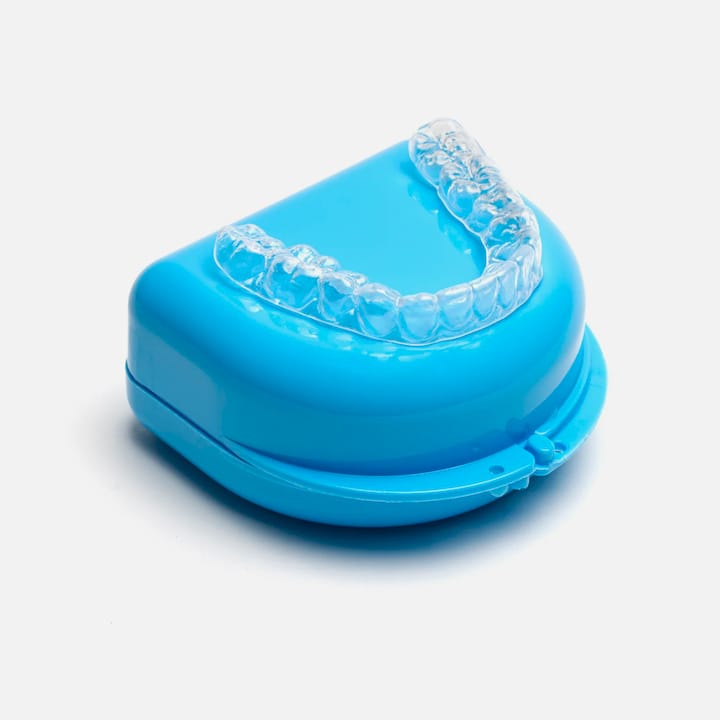
What Drives the Real Price of a Vivera Retainer
A Vivera retainer’s total cost depends less on the plastic itself and more on how many sets you buy, who orders it, and whether insurance touches the replacement.
| Point | Details |
|---|---|
| Typical package price | Most practices charge $400 to $800 per set, with full packages reaching $500 to $1,200 in larger cities. |
| Insurance rarely covers replacements | D8680 often covers the first set; D8703 and D8704 replacement codes are usually out-of-pocket. |
| Stored impressions save money later | Keeping your digital scan on file skips the re-impression step and speeds up future orders. |
| Multiple sets lower cost-per-retainer | A four-set package often beats a single retainer on price per unit, even at a higher total. |
| Direct-order alternative | Clearretain offers custom clear retainers through a self-impression kit, cutting office visit and lab markup out of the price. |
Why the “Just Ask Your Orthodontist” Advice Falls Short
Most advice on Vivera pricing stops at “ask your orthodontist for a quote,” which treats the price like a fixed number instead of the moving target it actually is. The real driver isn’t the retainer material, it’s who’s billing you, what’s bundled into that fee, and whether your insurer will touch any part of a replacement. Two patients with identical prescriptions can pay wildly different amounts depending on whether their first set was folded into treatment or billed later as an add-on.
The coding piece gets skipped entirely in most consumer-facing content. Knowing the difference between D8680 and D8703/D8704 before you call your insurer changes the conversation from a vague “is this covered?” to a specific, answerable question. That’s the leverage point most people never use.
If there’s one thing worth prioritizing, it’s asking about stored digital impressions before you ever need a replacement. A retainer you’ll wear for years is going to need a second or third set eventually, and the provider that already has your scan on file will almost always beat the one that makes you start over.
Get a Vivera-Style Retainer Without the Office Markup
Clearretain builds the same category of custom clear retainer you’d get through an orthodontist, minus the office visit and the lab markup that pushes practice pricing toward the higher end of that $400 to $1,200 range. You order with a self-impression kit shipped to your door, and your digital file stays on record for fast, predictable re-orders down the road.
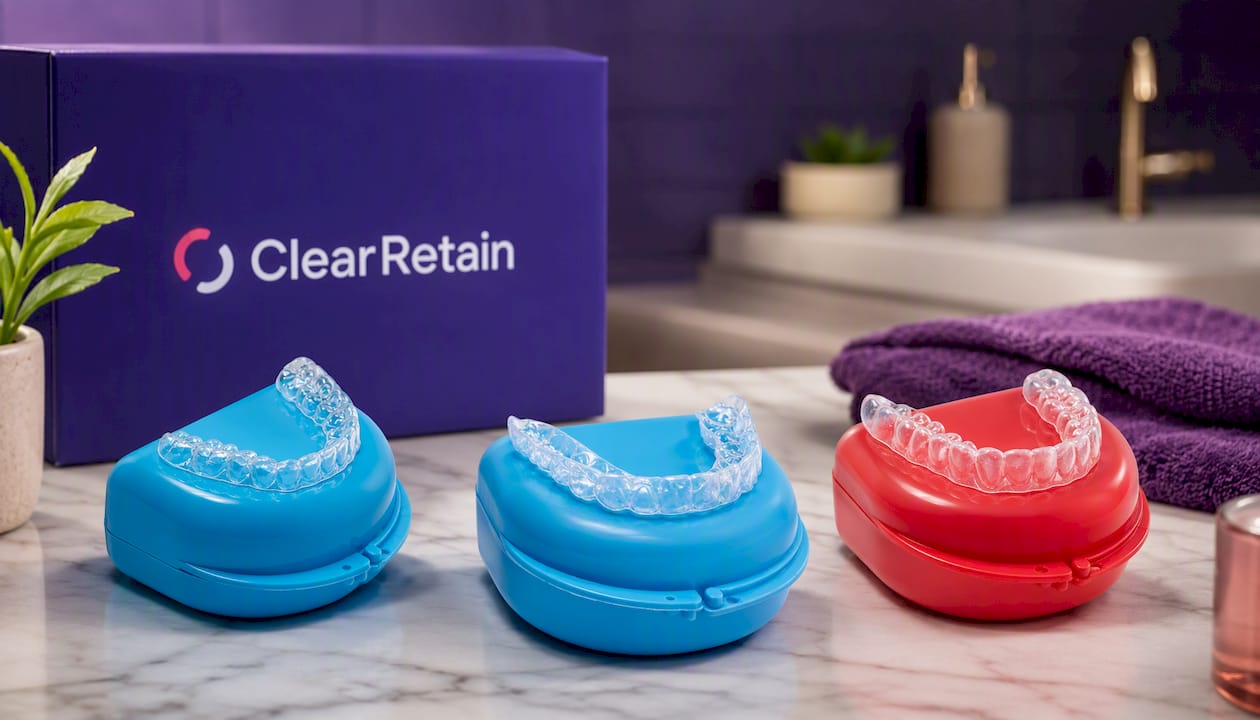
This fits you if you’ve finished Invisalign, know your retainer routine, and want a replacement or backup set without booking another appointment. It also works well if your insurance already denied coverage on a replacement code and you’re looking to keep the out-of-pocket cost down. Browse the upper retainer and lower retainer pages for current pricing, or check the premium lower retainer if you want a heavier-grade material built for longer wear. Order your impression kit today and get a replacement set on the way without a single office visit.
Frequently Asked Questions
How much does a Vivera retainer cost on average? Most people pay $400 to $800 per set through an orthodontist, with full four-retainer packages reaching $500 to $1,200 in larger metro areas.
Are Vivera retainers included in Invisalign treatment cost? Sometimes. Many practices bundle the first Vivera package into the overall treatment fee, while others bill it separately after your aligners are finished.
Does insurance cover Vivera retainer replacements? Rarely. Original retention often falls under CDT code D8680, but replacement codes D8703 and D8704 are frequently excluded from coverage or subject to your lifetime orthodontic maximum.
How many retainers come in a standard Vivera package? Packages commonly include up to four sets per arch, which lowers the effective cost-per-retainer compared to ordering one at a time.
How long do Vivera retainers last? With consistent care and nightly wear, a set typically lasts a year or more before it needs replacing, though grinding and poor storage habits shorten that window.
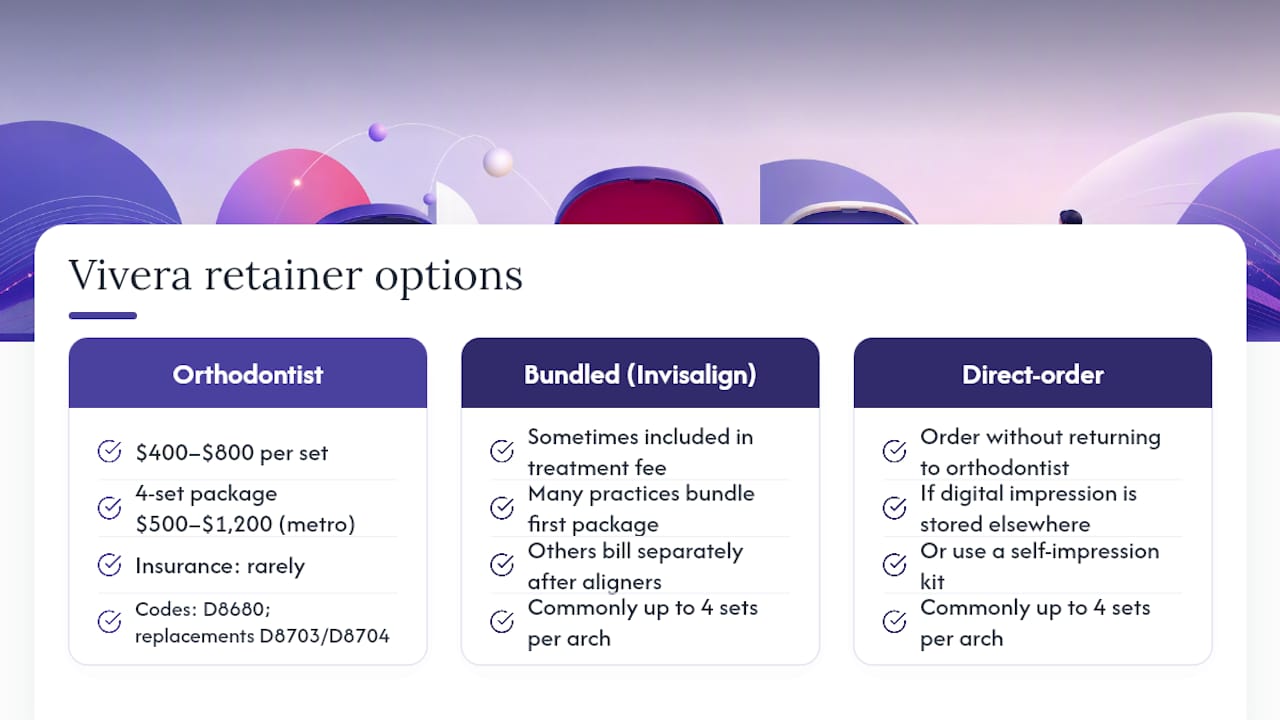
Can I order a replacement retainer without going back to my orthodontist? Yes, if your digital impression is stored elsewhere or you use a direct-order service with a self-impression kit, you can skip the in-office scan entirely.
Sources
- CDT code dental braces — Capline Dental Services
- Vivera Retainers Cost: Price Breakdown • ACDC Dental
- How Much Does a Vivera Retainer Cost in 2026? (EatHealthy365)