

Stop HSA/FSA Card Declines When Buying a Night Guard in the U.S.
Yes. A night guard qualifies for HSA or FSA reimbursement when a dentist prescribes it or you use it to treat bruxism (teeth grinding) or TMJ disorder, under IRS Publication 502’s definition of medical care. Your plan administrator can still ask for proof, so hang onto the itemized receipt and any note from your dentist before you spend a dollar.
TL;DR:
- Night guards prescribed by a dentist for treating bruxism or TMJ qualify for HSA or FSA reimbursement, regardless of whether they are custom or over-the-counter.
- Medical justification is the key criterion, meaning devices marketed for sports, cosmetics, or prevention of airway obstruction usually do not qualify unless diagnosed as part of a medical condition.
- Using HSA or FSA debit cards typically works if the merchant code is recognized as medical, but a manual claim with proper documentation is often needed if the card swipe is declined.
- Reimbursement requires an itemized receipt demonstrating the provider’s name, purchase date, and a clear link to a diagnosed dental condition, with a dentist’s note or Letter of Medical Necessity sometimes necessary.
- HSA funds offer a tax advantage beyond FSA, including tax-free growth and withdrawals, but only when the purchase is thoroughly documented as medically necessary.
Table of Contents
- What Counts as an HSA FSA Night Guard?
- How Do You Pay for a Night Guard With HSA or FSA Funds?
- What Documentation Do You Need for a Night Guard Claim?
- What Does a Night Guard Cost, and When Should You Buy?
- Do HSA and FSA Providers Handle Night Guard Claims Differently?
- Are There Tax Benefits to Paying for a Night Guard This Way?
- What Should You Do If Your Night Guard Claim Gets Denied?
- A Practical Note on Avoiding Claim Headaches
- How ClearRetain Makes HSA FSA Night Guard Purchases Simple
- Sources
- FAQ
What Counts as an HSA FSA Night Guard?
The IRS doesn’t publish a list of approved dental products; for clinical background on TMJ and TMD, see Jaw Surgery in Washington DC | District of Columbia Dental Procedures. Instead, Publication 502 sets a “medical purpose” test: the expense has to be for diagnosing, treating, mitigating, or preventing a disease or condition. A night guard passes that test the moment it’s treating bruxism or TMJ, not because of what the box says or how much it costs.
That test creates a clear line between products that qualify and products that don’t:
- Custom or over-the-counter night guards used for grinding or TMJ — eligible, regardless of price point.
- Athletic mouth guards bought for sports protection — not eligible, since there’s no underlying medical condition being treated.
- Cosmetic teeth-whitening trays or kits — not eligible; the IRS explicitly excludes cosmetic procedures.
- A sports guard your dentist prescribes because of a diagnosed jaw issue — eligible, since the medical justification, not the shape of the device, decides the outcome.
The confusing case is the guard that looks athletic but treats a real condition, or the “night guard” marketed for snoring rather than grinding. If the device’s job is preventing airway obstruction rather than treating a dental condition, it usually falls under a different eligibility category and may not qualify the same way. When in doubt, the deciding factor is always the diagnosis behind the purchase, not the product name on the label.
How Do You Pay for a Night Guard With HSA or FSA Funds?
Most people try the debit card first, and most of the time it works. Here’s the actual sequence:
- Swipe your HSA or FSA card at checkout. Merchants coded under a dental or medical merchant category code (MCC) typically process the charge without a hitch.
- If the card is declined, pay with a personal card instead. A decline usually means the merchant’s MCC isn’t flagged as medical, even when the product itself is fully eligible.
- Save the itemized receipt immediately. You’ll need the provider name, purchase date, item description, and amount.
- Submit the receipt to your plan administrator for reimbursement, either through their online portal or a claim form.
Online and direct-to-consumer dental sellers are especially prone to MCC mismatches, since their checkout systems are often coded as general retail rather than medical, according to a Thomson Reuters breakdown of debit card acceptance rules. That’s a payment-processing quirk, not a sign your purchase doesn’t qualify.
Pro Tip: Screenshot your cart before checkout. If the card declines, you’ll have a timestamped record showing exactly what you tried to buy and when, which speeds up any reimbursement dispute later.
Reimbursements typically post within one to two pay cycles, though some administrators batch claims weekly rather than daily.
What Documentation Do You Need for a Night Guard Claim?
Two documents cover almost every scenario: the itemized receipt and, when requested, a note from your dentist.
Your receipt needs to show:
- The provider or merchant name and purchase date
- A product description that ties clearly to a dental appliance (not just “merchandise” or “device”)
- The dollar amount paid
- Ideally, a reference to bruxism, TMJ, or grinding if the merchant includes it
Administrators occasionally escalate to a Letter of Medical Necessity (LMN), especially for pricier custom guards or when the receipt description is vague. An LMN should state the diagnosis, explain why the device is medically necessary, and describe how it treats that specific condition. Most dentists can turn one around within a day or two of a request.
Guidance from the IRS on medical and dental expenses doesn’t require an LMN for every claim, but plan-level rules vary enough that keeping one on file saves time. Hold onto every receipt and note for at least three years. That’s the general window the IRS uses for amending returns or responding to an audit request tied to medical deductions.
If a claim gets rejected, don’t resubmit the same paperwork and hope. Ask the administrator specifically what’s missing.
What Does a Night Guard Cost, and When Should You Buy?
Price and timing decisions are tangled together, especially if you’re on an FSA with a hard deadline.
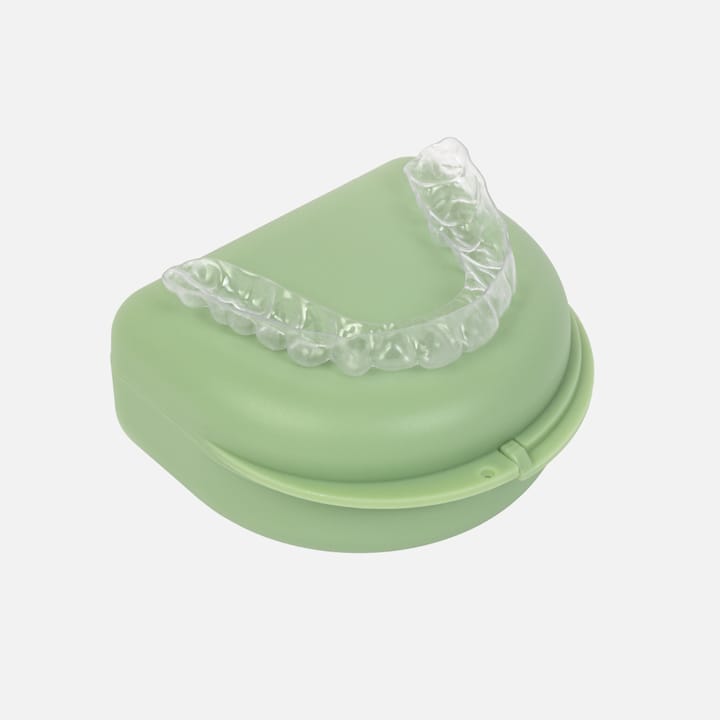
Boil-and-bite, over-the-counter guards typically run $20 to $50, while custom-fitted guards from a dentist or a direct-to-consumer maker land in the $300 to $800 range. The gap isn’t just marketing. Custom guards fit your bite precisely, which usually means better durability and more consistent protection against heavy grinding, while OTC versions wear out faster and fit looser.
Here’s where FSA and HSA rules genuinely diverge:
- FSAs often operate on a use-it-or-lose-it basis, with only a limited grace period or a capped carryover into the next plan year, depending on your employer’s plan design.
- HSAs roll over indefinitely. There’s no expiration pressure, so saving toward a custom guard makes more financial sense than rushing an OTC purchase.
If your FSA is about to reset and you’re sitting on leftover funds, an OTC guard is a practical way to spend that money before it disappears. HSA holders have more room to wait and invest in a better-fitting appliance later.
Do HSA and FSA Providers Handle Night Guard Claims Differently?
The IRS sets the baseline eligibility rule, but your plan administrator decides how strict the paperwork requirements get. Some administrators auto-approve any claim coded as dental or medical with no follow-up. Others flag anything over a certain dollar threshold and request an LMN automatically, regardless of what the receipt shows.
Employer-sponsored plans and Health Reimbursement Arrangements (HRAs) can narrow eligibility even further than a standard FSA or HSA, since employers have some latitude in how they design the benefit, per IRS guidance on medical expense definitions. That means two people with what looks like an identical purchase, same guard, same price, same diagnosis, can have completely different reimbursement experiences depending on who administers their plan.
A few patterns show up often enough to plan around. Debit card systems tend to be stricter about merchant category codes than manual reimbursement claims, since the card transaction has to clear an automated filter in real time, while a submitted claim gets reviewed by an actual person who can read a description and make a judgment call. Larger administrators with dedicated benefits portals usually publish clearer documentation checklists than smaller third-party administrators, which cuts down on back-and-forth.
The practical takeaway: don’t assume your coworker’s experience with their FSA matches yours. Before you spend $600 on a custom guard, a two-minute call to your administrator’s support line, or a quick look at their online portal’s eligible-expense list, tells you exactly what they’ll ask for. It’s a five-minute call that can save you a denied claim and a frustrating appeal process later.
Are There Tax Benefits to Paying for a Night Guard This Way?
The core benefit is simple: money that goes into an HSA or FSA is pretax, so every dollar you spend on an eligible night guard is a dollar you never paid income tax or payroll tax on.
HSAs carry an extra layer of advantage. Contributions are tax-deductible even if you don’t itemize, growth inside the account is tax-free, and qualified withdrawals, including night guard purchases, are tax-free on the way out. That’s a triple tax advantage no FSA offers, since FSA funds don’t earn interest or investment returns the way HSA balances can.
There’s a real risk on the other side, though. If you use HSA or FSA funds for a night guard that turns out not to meet the medical-purpose test, say, you bought a sports guard with no diagnosed condition behind it, the withdrawal can be treated as a non-qualified distribution. FSAs don’t carry that same penalty structure, but a plan audit can still claw back the reimbursement.
The fix is straightforward: keep your paperwork tied to an actual diagnosis. A receipt that says “night guard” with a note referencing bruxism or TMJ, or a matching LMN, is what separates a clean tax-advantaged purchase from a flagged one.
What Should You Do If Your Night Guard Claim Gets Denied?
Start by reading the denial reason carefully. Most rejections cite one of three things: missing documentation, a vague product description, or a merchant category code that didn’t flag as medical.
If it’s a documentation issue, request an LMN from your dentist that spells out the diagnosis and treatment purpose, then resubmit with that letter attached to the original itemized receipt. If the denial cites the product description itself, ask the merchant for a corrected receipt that specifically references the dental appliance rather than a generic line item. This is the single most common fix, and it works more often than people expect.
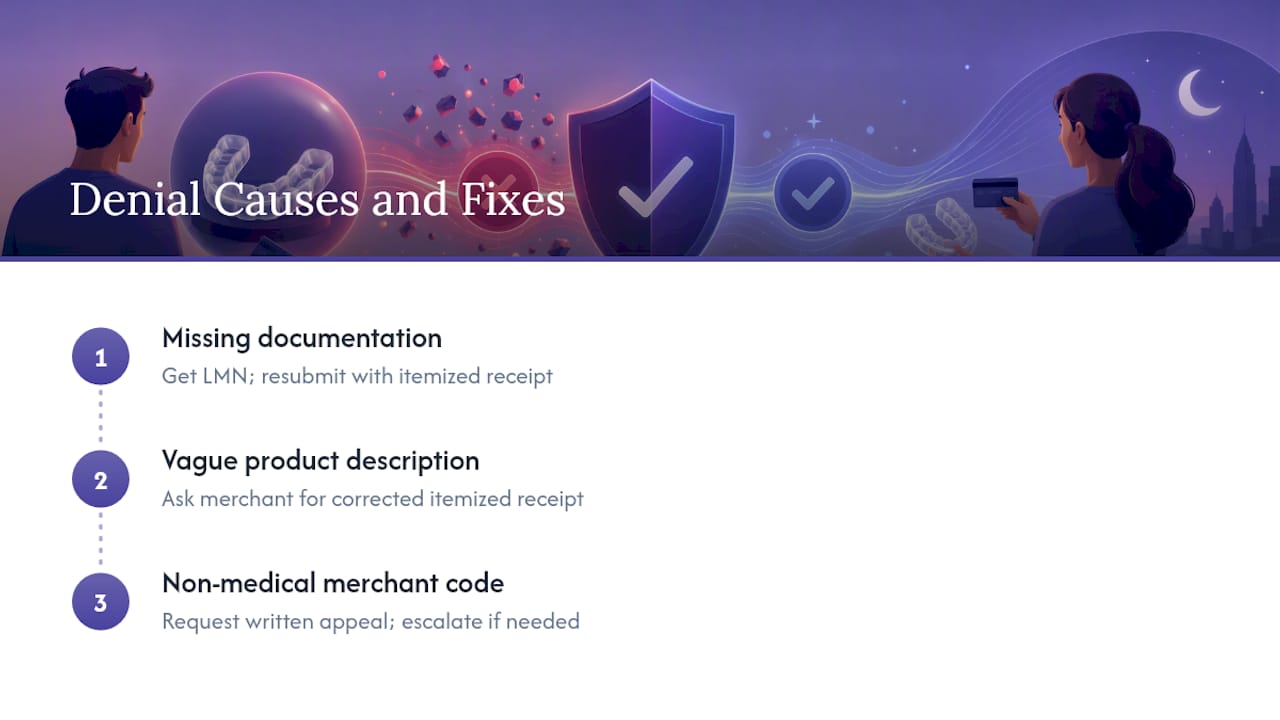
If you’ve resubmitted with solid documentation and still get denied, ask your administrator for their formal appeal process in writing. Most plans have one, even if it’s not advertised on the claim portal. Escalate to a supervisor if the front-line reviewer keeps citing a reason that doesn’t match your paperwork; sometimes the first denial is simply an automated flag that a human reviewer would clear.
Keep a copy of every communication. If the dispute drags on, a paper trail showing you supplied a diagnosis-linked receipt and, if needed, an LMN, puts you in a strong position whether the final call comes from the administrator or, in rare cases, gets reviewed during a tax filing question.
A Practical Note on Avoiding Claim Headaches
The single biggest source of friction isn’t the IRS rule. It’s plan administrators asking for more than the bare minimum. A short note from your dentist explaining the diagnosis behind your bruxism resolves most reimbursement questions before they become disputes, even on purchases where the law doesn’t technically require one.
At checkout, always request an itemized receipt up front rather than chasing it down later. If a custom guard fits your grinding pattern better and lasts years instead of months, that durability usually justifies the higher upfront cost over cheap OTC replacements you’ll be rebuying every few months.
— Clear
How ClearRetain Makes HSA FSA Night Guard Purchases Simple
ClearRetain sells three night guard options built for exactly the medical use case that qualifies for HSA and FSA reimbursement: the Upper Retainer-Night Guard, the Lower Retainer-Night Guard, and the Upper and Lower Retainer-Night Guard set for heavier grinding that affects both arches.
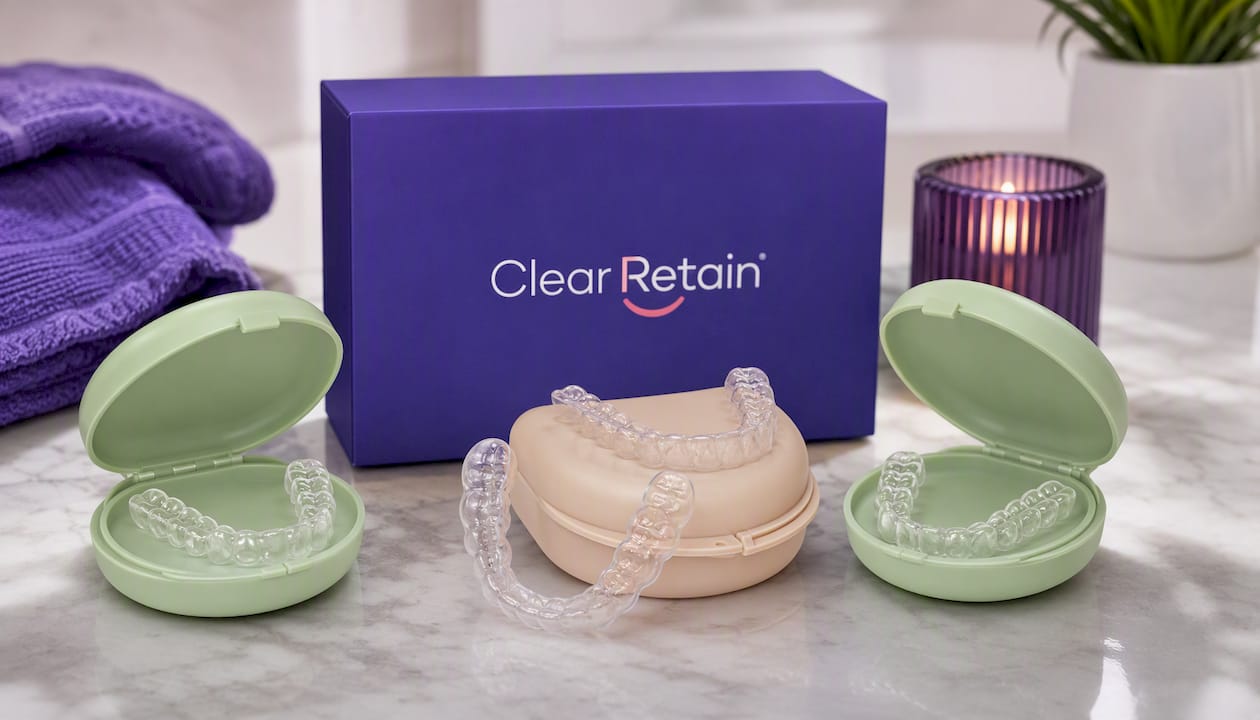
Every order comes with a detailed self-impression kit and clear instructions, so you get a custom fit without the office visit markup. At checkout, you can use your HSA or FSA debit card directly. If it doesn’t process because of a merchant category code mismatch, pay with a personal card and use ClearRetain’s itemized order receipt for reimbursement instead. That receipt already lists the product, date, and amount your administrator needs. If your plan asks for a Letter of Medical Necessity, contact ClearRetain’s support team, and they can help make sure you have what your dentist needs to complete one quickly. Start with the Upper Retainer-Night Guard if you grind primarily on your upper arch, or choose the full set for complete protection.
This article is general information, not a substitute for advice from a qualified doctor. Consult a qualified healthcare professional about your own circumstances before acting on anything here.
Sources
- Publication 502, Medical and Dental Expenses
- Is Night Guard (Dental) HSA-Eligible? (2026) | HSA Trackr
FAQ
Can I Pay for a Night Guard With My HSA?
Yes, as long as the guard treats a diagnosed condition like bruxism or TMJ. HSA funds cover both OTC and custom options under IRS Publication 502.
Can I Use My FSA to Pay for a Mouth Guard?
Only if the mouth guard serves a medical purpose, such as treating grinding or jaw pain. A mouth guard bought purely for sports has no diagnosed condition behind it and typically doesn’t qualify.
Is a Store-Bought Night Guard HSA Eligible?
Yes. Over-the-counter, boil-and-bite night guards qualify under the same medical-purpose rule as custom guards, typically priced between $20 and $50.
Are Snoring Mouth Guards HSA or FSA Eligible?
It depends on the diagnosis behind the purchase. A device treating diagnosed sleep apnea or a related airway condition can qualify, but one bought informally for snoring without a medical diagnosis usually does not meet the IRS test.