

Retainer Subscription Service Benefits: 2026 Guide
A retainer subscription service is a recurring dental care plan that automatically ships fresh retainers to your door at orthodontist-recommended intervals, protecting your alignment results without repeat office visits or surprise costs. For individuals and parents managing long-term orthodontic care, the retainer subscription service benefits go well beyond convenience. Orthodontic retention requires indefinite nightly wear because teeth naturally shift due to biological and muscular pressures throughout life. Subscription plans address that reality by making consistent replacement affordable and automatic, which is the single biggest barrier most people face after braces or aligners come off.
1. What are the top retainer subscription service benefits?
Retainer subscription services deliver five core advantages that traditional replacement methods cannot match: lower cost, automatic delivery, better compliance, professional-grade materials, and reduced relapse risk.
- Cost savings. Replacement retainers cost $300–$800 at a dental office. Subscription sets typically run around $139 each, and monthly plan fees generally fall between $10 and $25. That gap adds up fast over years of retention.
- Automatic delivery. Fresh retainers arrive on schedule without you booking an appointment, driving to a clinic, or taking new impressions every time.
- Better compliance. Compliance with clear thermoplastic retainers tends to drop after the first year. Subscriptions remove the friction of reordering, which keeps replacement rates on track.
- Professional-grade materials. Quality subscription services use FDA-approved thermoplastic materials manufactured under orthodontic technician supervision, not generic plastics.
- Lower relapse risk. Timely replacement means you are never wearing a degraded retainer that no longer holds your teeth in position.
Pro Tip: Set a calendar reminder for your retainer delivery date. When the new set arrives, swap immediately rather than waiting until the old retainer feels loose or uncomfortable.
2. How do subscription costs compare with dental office replacements?

The cost difference between subscription plans and traditional office replacements is significant. A single replacement retainer at a dental office runs $300–$800. A subscription plan delivering two sets per year at roughly $139 per set costs around $278 annually, plus any monthly fee. At $15 per month, the annual plan total reaches approximately $458, which still falls well below the low end of a single office replacement.
Dental insurance often caps orthodontic coverage at lifetime maximums of $1,000–$3,000 and frequently excludes retainer replacements once the initial set is provided. That means most adults and teenagers are paying out of pocket for every replacement after the first one. Subscription plans become especially valuable once insurance benefits are exhausted.
| Scenario | Estimated Annual Cost |
|---|---|
| Single office replacement (low end) | $300 |
| Single office replacement (high end) | $800 |
| Subscription plan (2 sets/year at $139 each) | $278 plus monthly fee |
| Subscription plan with $15/month fee | ~$458 |
| Insurance coverage for replacements | Often $0 after lifetime max |
Pro Tip: Call your insurance provider and ask specifically whether retainer replacements are covered after the initial orthodontic treatment ends. Many parents discover this gap only after their child needs a second set.
3. What practical conveniences do retainer subscriptions offer?
Subscription plans remove the logistical burden that causes most people to delay retainer replacement. The advantages stack up quickly for busy households.
- No repeat dental visits. Digital storage of your scan means the service can produce a new retainer without you returning to a clinic for fresh impressions.
- Predictable monthly expenses. A flat fee replaces the unpredictable cost of emergency replacements when a retainer is lost or damaged.
- Immediate access to replacements. If a retainer cracks or goes missing, a subscription member can reorder quickly rather than waiting weeks for a dental appointment.
- Time savings for parents. Managing retainers for one or more children is already demanding. Automatic shipments cut out scheduling, travel, and administrative follow-up.
- Uninterrupted oral health routines. Consistent access to a well-fitting retainer means you never skip nights because the old one feels wrong or uncomfortable.
The lifestyle fit is especially strong for parents managing teenage orthodontic care. Teenagers lose or damage retainers at a higher rate than adults, and subscription plans absorb that cost without a penalty visit to the orthodontist.
4. How does quality differ between subscription retainers and other options?
Professional subscription services use medical-grade thermoplastic materials that meet FDA standards. Generic mail-order alternatives or off-the-shelf options often use lower-grade plastics that warp faster and fit less precisely. The difference in material quality directly affects how well the retainer holds tooth position over time.
Daily wear causes microscopic thinning of retainer material from saliva and chewing pressure. This invisible degradation is why orthodontists recommend replacing retainers every six months. A retainer that looks fine may have already lost enough structural integrity to allow tooth movement.
“Trying to force a tight retainer on teeth can cause periodontal stress or damage. A professional should be consulted if a retainer does not fit easily.” — Orthodontic Retention: When, Why, and How
Quality subscription services address this risk by storing your digital records and producing each replacement to the same precise specifications as the original. That means you are not guessing whether the new retainer fits. It is built from your exact dental profile. Clearretain, for example, manufactures its retainers under the supervision of experienced orthodontic technicians using FDA-approved materials, which is a standard that generic alternatives rarely meet.
5. Which subscription features best match your situation?
Not every subscription plan works equally well for every person. Matching plan features to your specific circumstances determines how much value you actually get.
- Replacement frequency. If you wear your retainer nightly, a semiannual replacement schedule matches the six-month guideline that orthodontists recommend. Active teenagers or people who grind their teeth may need more frequent replacements.
- Number of retainers per shipment. Some plans offer multiple replacements per year at a fixed fee. Families managing upper and lower retainers for multiple children benefit most from plans that bundle both arches.
- Flexibility for families. Look for plans that allow you to manage multiple accounts or ship to the same address. A single family subscription covering two teenagers is far more practical than separate individual accounts.
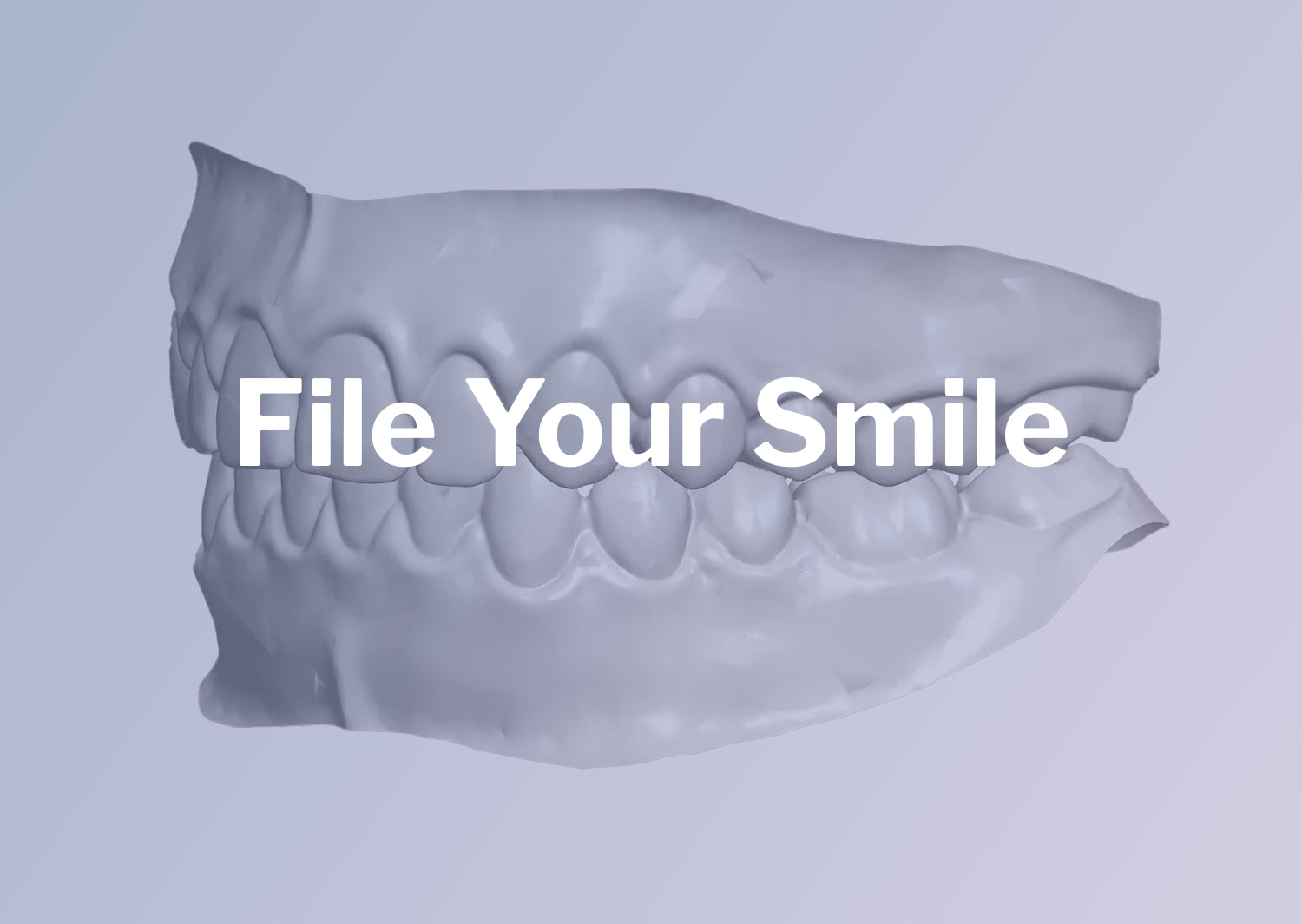
- Digital record storage. Plans that store your dental scan digitally eliminate the need for new impressions on every reorder. This feature alone saves significant time and cost over a multi-year retention period.
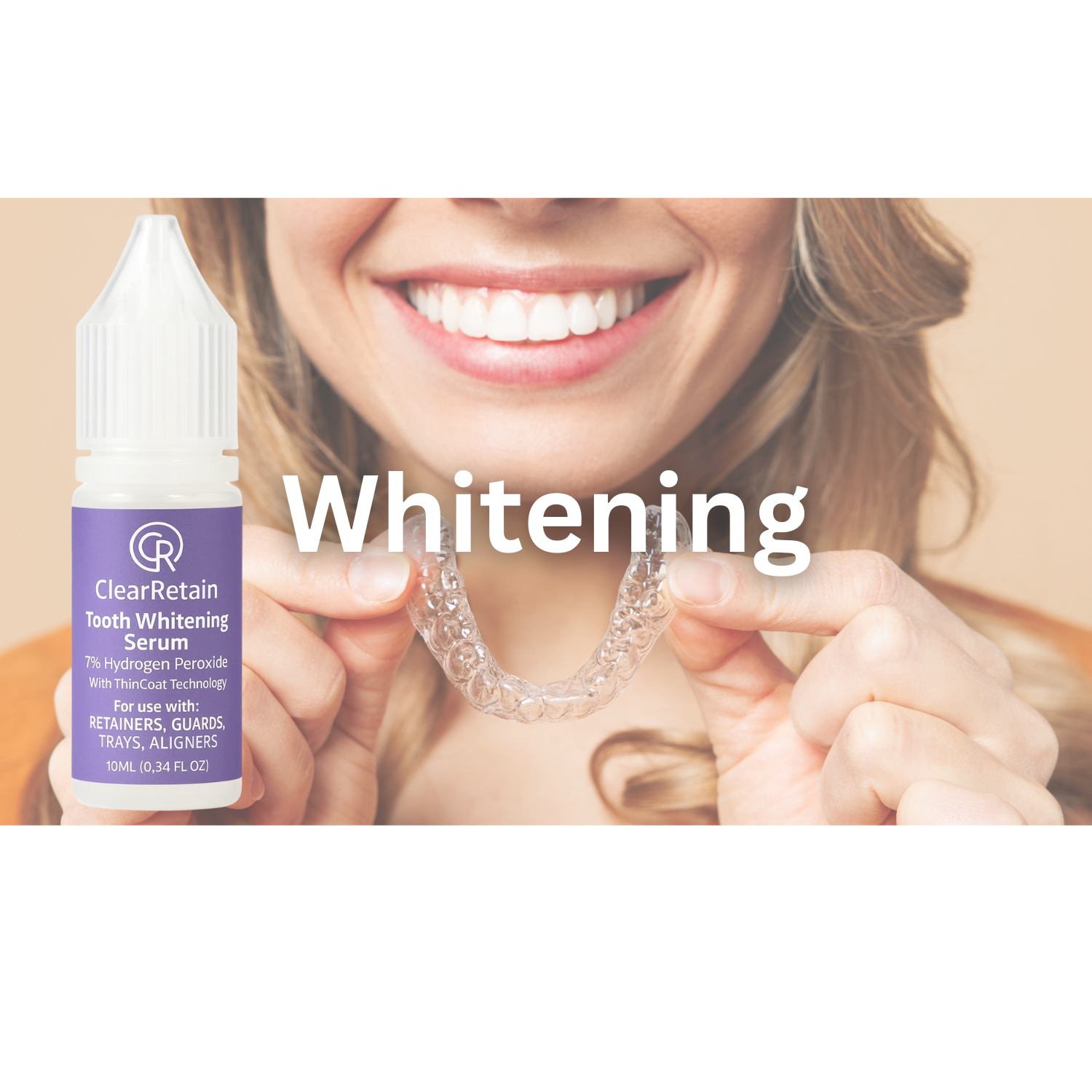
- Bundled cases and accessories. A subscription that includes a retainer case, cleaning tablets, or a whitening add-on delivers more value per dollar than a plan that charges separately for each item.
- Cost versus feature balance. A lower monthly fee with fewer replacements may suit a single adult with a stable bite. A higher-tier plan with unlimited replacements suits a family or anyone with a history of losing retainers.
Clearretain offers a premium upper and lower retainer set that covers both arches, which is the most practical starting point for most subscription customers. For those who only need one arch, a premium upper retainer or a premium lower retainer is available separately.
6. Why long-term retention planning matters more than most people realize
Orthodontic retention is long-term risk management, not a short-term precaution. Teeth do not reach a stable final position after braces come off. Biological pressures from lips, tongue, and bone remodeling continue to push teeth throughout adulthood. A retainer worn consistently is the only reliable way to hold alignment results indefinitely.
Most relapse cases share a common pattern: the person stopped replacing their retainer on schedule, wore a degraded one for too long, and eventually stopped wearing it at all because it no longer fit. Subscription plans interrupt that pattern by making replacement automatic and affordable. The financial predictability of a flat monthly fee removes the mental barrier of an unexpected $400 replacement bill. Understanding why nighttime retainer use matters is the first step. Building a system that keeps replacement consistent is what actually protects your results.
Key Takeaways
Retainer subscription services deliver the most value when they combine professional-grade materials, automatic replacement schedules, and predictable pricing to protect long-term orthodontic results.
| Point | Details |
|---|---|
| Cost advantage is significant | Subscription sets cost around $139 versus $300–$800 for a single office replacement. |
| Insurance rarely covers replacements | Most policies exclude retainer replacements after the initial set, making subscriptions cost-effective. |
| Six-month replacement is the standard | Microscopic material wear makes semiannual replacement the orthodontist-recommended interval. |
| Digital records eliminate repeat impressions | Stored scans allow quick reorders without returning to a clinic for new dental impressions. |
| Forcing a tight retainer causes harm | A retainer that does not fit easily requires professional evaluation, not self-adjustment. |
Why I think most people underestimate the cost of skipping retainer replacements
Most people treat retainer replacement as optional. They wear the same retainer for two or three years, notice it feels a little loose, and assume that is normal. What they do not realize is that the retainer stopped holding their teeth in position long before it started feeling different.
I have seen this pattern repeatedly. The retainer looks intact. There are no cracks. But the thermoplastic has thinned invisibly, and the fit has drifted just enough to allow gradual tooth movement. By the time someone notices their teeth have shifted, they are looking at corrective treatment that costs far more than years of subscription fees combined.
Subscription services solve a behavioral problem, not just a financial one. The reason people skip replacements is not that they do not care. It is that replacement feels like a hassle and an unexpected expense. A flat monthly fee and automatic delivery remove both of those barriers entirely. That is what makes the model genuinely useful rather than just convenient.
My recommendation: start a subscription plan the moment orthodontic treatment ends. Do not wait until your first retainer shows wear. The long-term retainer plan is not a luxury. It is the only way to protect the investment you already made in your smile.
— Clear
Clearretain’s retainer subscription plans for lasting results
Clearretain provides professional-grade retainers at a fraction of traditional orthodontic office prices, with savings of up to 80% compared to standard replacement costs. Every retainer is made from FDA-approved thermoplastic materials under the supervision of experienced orthodontic technicians, so you get clinical quality without the clinic visit.
Clearretain’s direct-to-consumer model ships retainers fast using a detailed self-impression kit, with no repeat office appointments required. Whether you need a full set or a single arch replacement, Clearretain’s product range covers both. Explore the premium retainer collection to find the plan that fits your schedule and budget, and start protecting your alignment results today.
FAQ
What is a retainer subscription service?
A retainer subscription service is a recurring plan that automatically delivers fresh retainers at set intervals, typically every six months, matching the replacement schedule orthodontists recommend for maintaining alignment.
How much does a retainer subscription cost compared to office replacements?
Subscription sets typically cost around $139 each, while a single office replacement runs $300–$800. Monthly plan fees generally range from $10 to $25, making subscriptions significantly more affordable over time.
Does dental insurance cover retainer replacements?
Most dental insurance policies cap orthodontic coverage with lifetime maximums and exclude retainer replacements after the initial set. Checking your specific policy details is the best way to understand your out-of-pocket exposure.
How often should I replace my retainer?
Orthodontists recommend replacing retainers every six months. Daily wear causes microscopic thinning from saliva and chewing pressure that degrades fit and effectiveness even when the retainer looks intact.
Is it safe to wear a retainer that feels tight?
No. Forcing a tight retainer onto teeth can cause periodontal stress or damage. A retainer that does not fit easily requires a professional evaluation rather than self-adjustment or forcing it into place.