


Why Nighttime Retainer Use Is Recommended
Nighttime retainer use is the clinically recommended method for preserving teeth alignment after orthodontic treatment ends. Without consistent overnight wear, relapse begins within days due to a biological process called periodontal ligament memory. Your teeth have a physical “memory” of their original positions, and the ligaments holding them in place will pull them back unless a retainer applies counter-pressure. Orthodontists across the board treat nighttime retention not as optional aftercare but as an active extension of your treatment.
Why does nighttime retainer use prevent teeth shifting?
Orthodontic relapse is driven by biology, not neglect. The periodontal ligament, the connective tissue anchoring each tooth to the jawbone, stores positional memory. When braces or aligners are removed, that ligament immediately begins pulling teeth toward their pre-treatment positions. Bone and ligament stabilization can take up to a year after treatment ends, which is why early retainer compliance is especially critical.
The problem does not stop after that first year. Teeth continue shifting throughout adulthood due to natural physiological drift, changes in bone density, and pressure from wisdom teeth. This means relapse is not a one-time risk. It is an ongoing process that requires ongoing management.
Retainers work by applying gentle, consistent pressure that holds teeth in their corrected positions while the surrounding bone and tissue fully adapt. Think of it like keeping a freshly painted wall from smudging before it cures. The retainer does not move teeth. It simply prevents them from moving back.
- Periodontal ligament memory pulls teeth toward original positions immediately after treatment
- Bone remodeling takes months to fully stabilize around corrected tooth positions
- Natural adult drift continues throughout life regardless of prior orthodontic work
- Retainer pressure counteracts these forces during sleep without disrupting daily life
Pro Tip: If your retainer feels tight after even one or two missed nights, that tightness is a clinical signal. It means your teeth are actively shifting. Resume wear immediately and contact your orthodontist if the tightness persists beyond a few days.
Why does full-time retainer wear transition to nighttime?
Most orthodontists prescribe full-time retainer wear for the first three to six months after treatment. This initial phase supports immediate stabilization while the bone and ligament are most vulnerable to relapse. After that window, the standard recommendation shifts to nighttime-only wear for the long term.
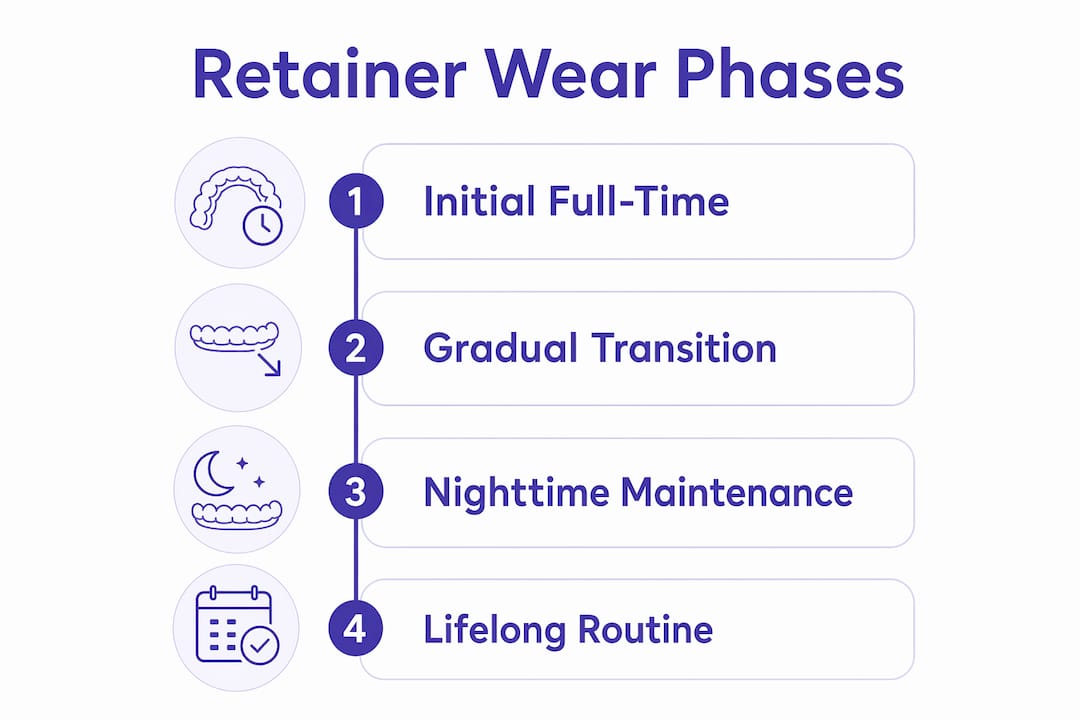
The reason for this transition is compliance. Full-time wear is difficult to maintain across meals, social situations, and work environments. Nighttime wear removes those friction points entirely. You put the retainer in before bed and take it out in the morning. That simplicity is what makes it sustainable for years, not just weeks.
There is also a physiological reason why night wear works so well. During sleep, your jaw is relaxed and your teeth are not under the variable pressures of chewing, speaking, or clenching. This makes nighttime the most effective window for stable, uninterrupted retention. The retainer can do its job without competing with daytime forces.
| Factor | Full-Time Wear | Nighttime-Only Wear |
|---|---|---|
| Best phase | First 3–6 months post-treatment | Long-term maintenance |
| Compliance rate | Lower due to daily friction | Higher due to simplicity |
| Wear hours | 20–22 hours per day | 7–9 hours per night |
| Interference | Affects eating, speaking, social settings | None during waking hours |
| Long-term sustainability | Difficult to maintain indefinitely | Designed for lifelong use |
The transition to nighttime wear is not a relaxation of your treatment. It is a calibrated shift to a protocol that patients can realistically follow for life. Orthodontists design this transition deliberately to protect your results without burning out your willingness to comply.
What are the long-term benefits of nighttime retainer use for adults?
The benefits of nighttime retainers extend well beyond keeping teeth straight. Consistent nighttime wear distributes chewing forces evenly and may reduce temporomandibular joint (TMJ) discomfort by preventing subtle bite shifts that accumulate over time. Orthodontists compare this function to wearing a seatbelt. You do not notice it working until the moment it matters.
For adults specifically, the financial argument is compelling. Orthodontic retreatment after relapse costs thousands of dollars and months of additional treatment time. A retainer worn nightly costs a fraction of that. Protecting your original investment with a simple nightly habit is one of the most cost-effective decisions in dental care.
Gum and bone health also benefit from consistent retention. When teeth shift excessively, the surrounding bone and gum tissue experience uneven stress. Over time, that stress can contribute to gum recession and bone loss. Keeping teeth in their corrected positions reduces that mechanical strain.
Here is why adults specifically benefit from making nighttime retainer wear a permanent habit:
- Bite stability: Prevents gradual bite shifts that can cause jaw pain and uneven tooth wear
- TMJ protection: Reduces the risk of temporomandibular joint strain from misalignment
- Gum and bone health: Limits excessive tooth mobility that stresses surrounding tissue
- Cost protection: Avoids expensive retreatment by maintaining results from the start
- Sleep compatibility: Nighttime wear fits naturally into a routine without disrupting daily life
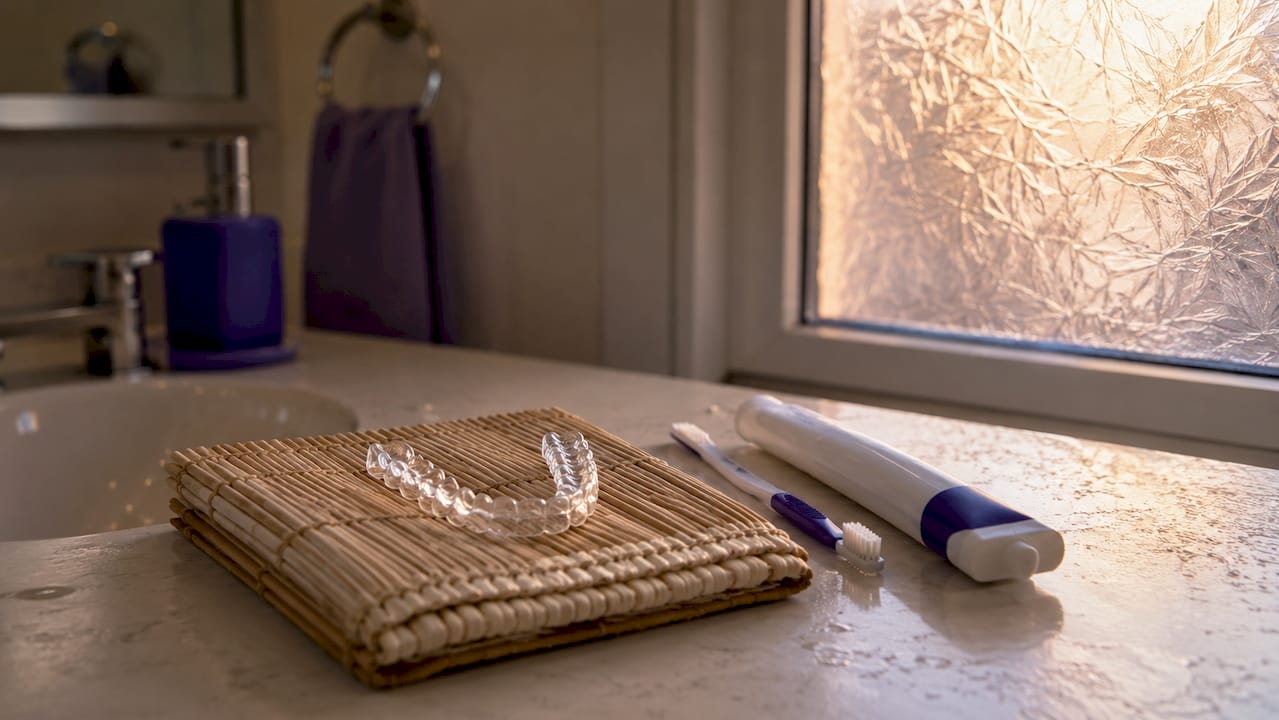
Pro Tip: Pair your retainer with your toothbrush. Keeping both in the same spot creates a visual cue that makes nightly wear automatic within two to three weeks.
How do you build a consistent nighttime retainer routine?
Building a reliable retainer habit starts with removing every possible barrier between you and putting it in. The most common reason people skip nights is not forgetfulness. It is friction. The retainer is in a different room, or the case is buried in a drawer, or cleaning it feels like a chore.
Retainer wear should be as habitual as brushing and flossing. That framing matters. When you treat it as a non-negotiable part of your nightly hygiene routine rather than an optional add-on, compliance improves significantly. Place the case next to your toothbrush. Clean the retainer every morning right after removing it. Keep the routine tight and consistent.
Tightness after missed nights is worth understanding, not ignoring. That discomfort confirms active tooth movement and is your body’s warning system. Do not force a retainer that no longer fits. Contact your orthodontist to assess whether a replacement or adjustment is needed.
Sleep schedule variations do not have to derail your wear time. If you regularly sleep fewer than seven hours, wearing your retainer from after dinner until after breakfast meets the minimum wear-time requirement just as effectively. Flexibility in timing preserves the benefits without requiring a rigid schedule.
- Store your retainer case next to your toothbrush for a consistent visual trigger
- Clean the retainer every morning with a soft brush and mild soap, not toothpaste
- If tightness appears after missed nights, resume wear and monitor for improvement
- For irregular sleep schedules, extend wear into early morning hours to hit your target time
- Schedule a professional retainer check every 12 months to catch fit issues early
- Patients with bruxism should discuss durable night guard style retainers with their orthodontist, since standard clear retainers may wear down prematurely under heavy grinding pressure
You can also review the retainer wearing schedule guidance from Clearretain for a clear breakdown of how to structure your nightly routine across different treatment phases.
Key takeaways
Nighttime retainer use is the most sustainable and clinically supported method for preserving orthodontic results long-term, because it works with your biology, your schedule, and your budget simultaneously.
| Point | Details |
|---|---|
| Relapse starts fast | Teeth begin shifting within days of stopping retainer wear due to ligament memory. |
| Night wear is the long-term standard | Orthodontists transition patients to nighttime-only wear because it is sustainable for life. |
| Benefits go beyond alignment | Consistent wear protects bite balance, TMJ health, gum tissue, and your financial investment. |
| Habit formation is the key | Treating retainer wear as non-negotiable, like brushing, dramatically improves compliance. |
| Tightness is a warning sign | A tight retainer after missed nights signals active shifting and requires immediate resumption. |
What i have learned after years of watching patients skip this step
The most common mistake I see is treating the retainer as the finish line rather than part of the race. Patients complete months of orthodontic treatment, feel great about their results, and then gradually stop wearing their retainer because nothing seems to be going wrong. That is exactly when the problem starts.
Retention is ongoing active therapy, not a formality. The bone around your teeth is still adapting for months after treatment ends. Skipping nights during that window is not a minor lapse. It is interference with an active biological process.
What I have also found is that the patients who succeed long-term are not the ones with the most discipline. They are the ones who made the habit frictionless. They put the retainer case somewhere they cannot miss it. They clean it in the morning so it is ready at night. They stopped thinking about it as a chore and started treating it as just another part of going to bed.
The other thing worth saying plainly: correction after relapse is harder, slower, and more expensive than prevention. One retainer worn nightly for years costs less than a single round of retreatment. The math is not complicated. The commitment just has to be real.
— Clear
Protect your smile with Clearretain custom retainers
You have invested real time and money in your orthodontic results. A custom retainer worn nightly is the simplest way to protect that investment for life.
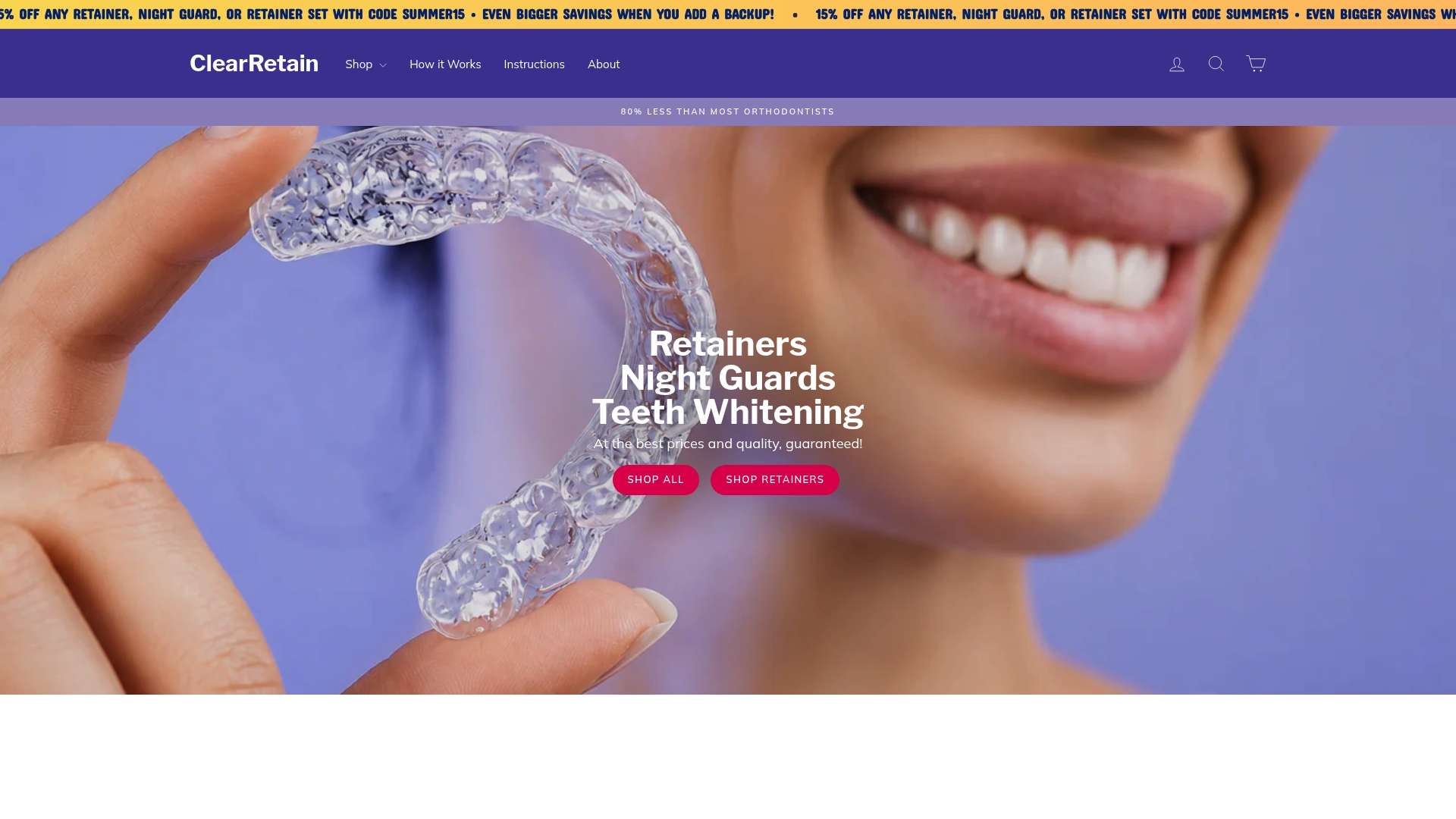
Clearretain offers FDA-approved, custom-fit clear retainers made under the supervision of experienced orthodontic technicians, at up to 80% less than traditional office prices. The direct-to-consumer model means no office visit markups and no waiting rooms. You order online, complete a self-impression kit at home, and receive a retainer built precisely for your teeth. Choose from a custom clear upper retainer, a custom clear lower retainer, or the complete upper and lower retainer set for full coverage. If you grind at night, Clearretain’s night guard options provide durable protection alongside alignment maintenance.
FAQ
Why is nighttime the best time to wear a retainer?
During sleep, your jaw is relaxed and free from the variable pressures of chewing and speaking. This makes nighttime the most effective window for uninterrupted retention and bone stabilization.
How soon do teeth shift without a retainer?
Relapse is measurable within weeks for the majority of patients who stop wearing their retainer. The periodontal ligament begins pulling teeth back toward their original positions almost immediately after retainer use stops.
Is nighttime retainer wear truly lifelong?
Yes. Because teeth continue shifting throughout adulthood due to natural drift and bone changes, most orthodontists recommend indefinite nightly wear to preserve alignment permanently.
What should i do if my retainer feels tight?
Tightness after missed nights is a sign that your teeth are actively moving. Resume consistent wear immediately. If the retainer no longer fits properly, contact your orthodontist to assess whether a replacement is needed.
Can i wear my retainer fewer hours if i sleep less than eight hours?
Yes. Wearing your retainer from after dinner until after breakfast meets the minimum wear-time requirement even with a shorter sleep window, making it a practical solution for irregular schedules.